


The Shadows of Time: Uncovering History’s Most Shocking Truths
We often think of history as a linear progression of progress, but the truth is frequently found in the messy, dark, and unexpected details. When we look beyond the names and dates, we find stories of survival, deception, and biological adaptation that are more fascinating than any fiction.
The Hidden Serial Killers of History
Long before the names of modern criminals dominated the headlines, history had its own “monsters” hiding in plain sight.
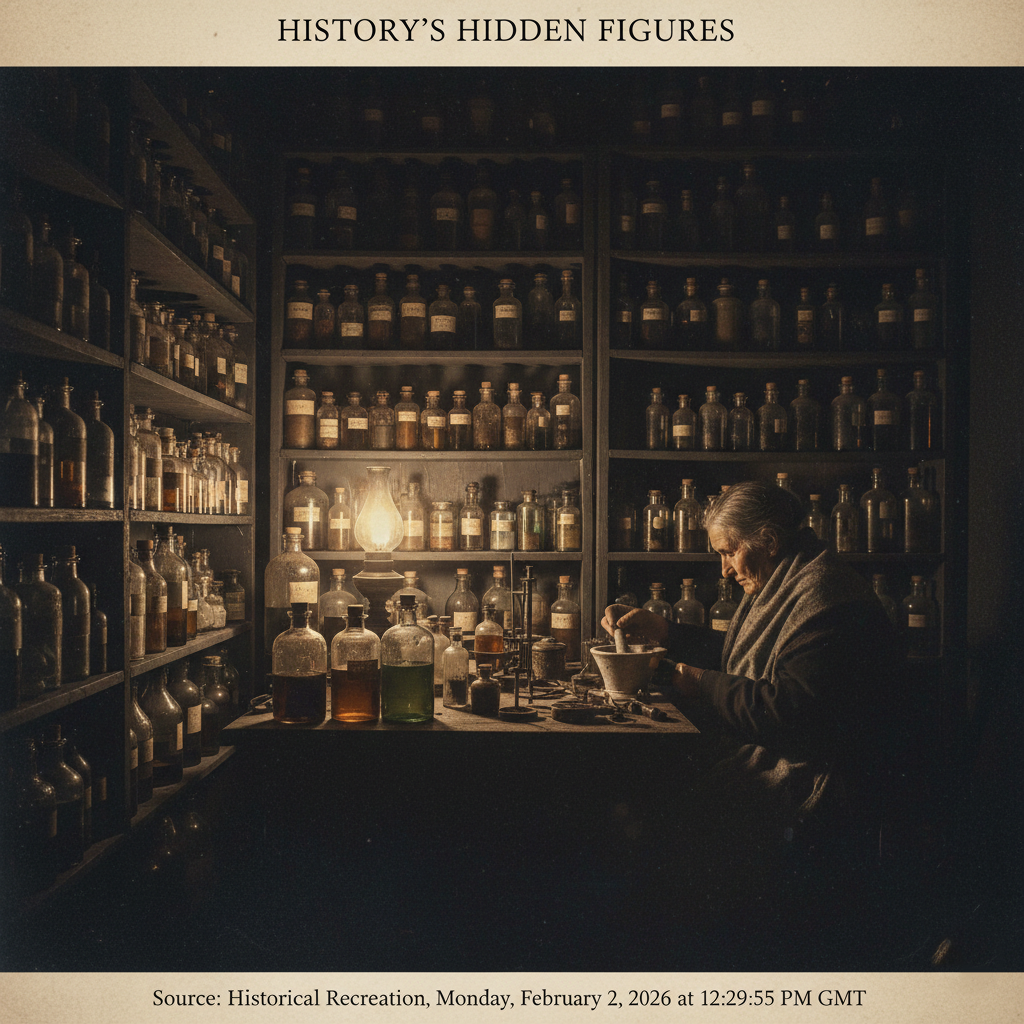
Baba Anujka: The Witch of Yugoslavia In the early 20th century, a woman named Anna de Ponya, known as Baba Anujka, operated a clandestine lab in her estate. Gaining a reputation as a healer, she eventually began selling “magic water” to women in unhappy marriages. This potion, containing arsenic and plant toxins, caused a slow, undetectable death. It is estimated that she was responsible for up to 150 deaths before her arrest at the age of 91.
Amelia Dyer: The Baby Farmer In Victorian Britain, the Poor Law Amendment Act left many unmarried mothers destitute. This gave rise to “baby farming,” where women like Amelia Dyer would take in children for a fee, promising to find them homes. Instead, Dyer systematically neglected or strangled hundreds of infants to maximize her profit. She is considered one of the most prolific serial killers in UK history.
Devilish Devices: The Evolution of Pain
The history of “justice” often involved methods designed to inflict maximum agony to extract confessions.
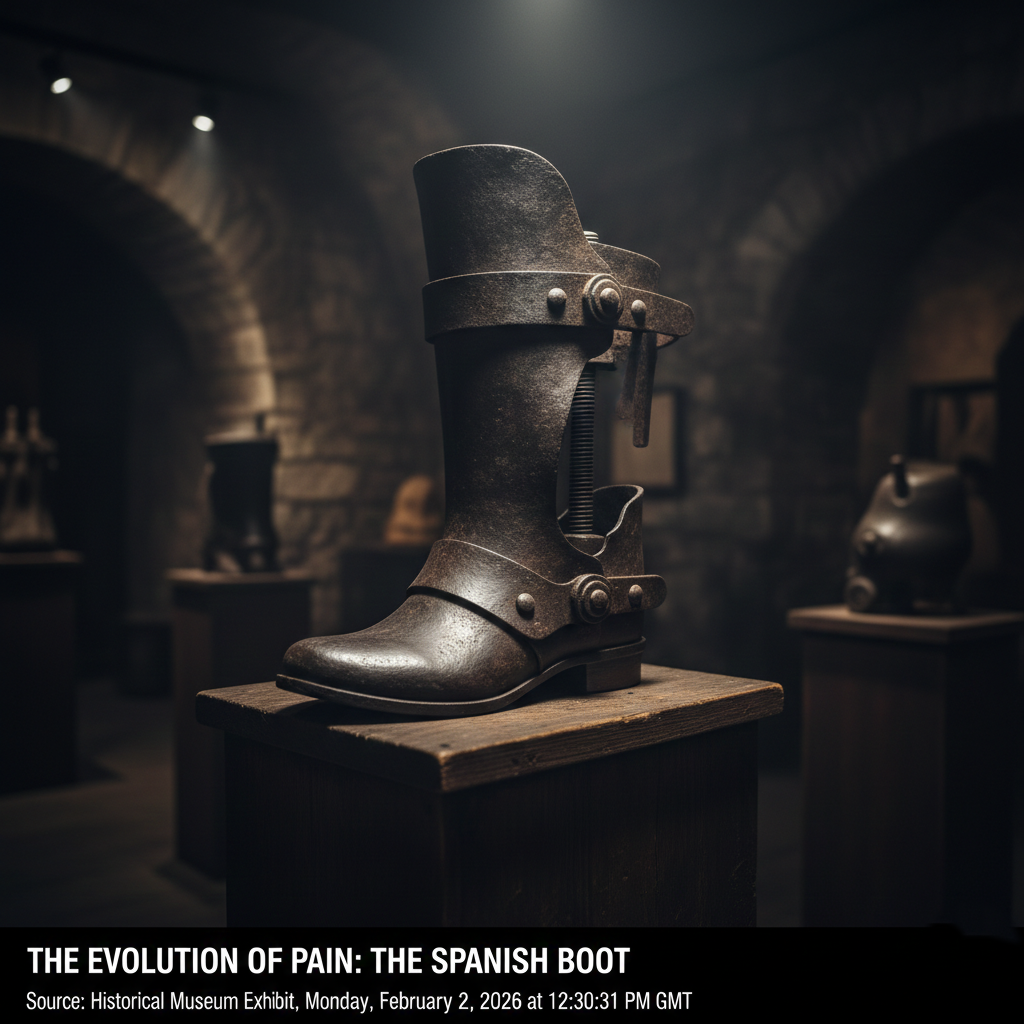
- The Spanish Boot: This device used wooden planks and wedges (or iron cases in later versions) to slowly crush the legs of a victim, shattering bones and reducing muscle to “burger meat.”
- Bassination (Blinding): Popular in the Byzantine Empire, this punishment involved gouging out the eyes or melting them with red-hot iron rods or boiling vinegar. Emperor Basil II famously blinded 15,000 Bulgarian prisoners, leaving only one man in every hundred with a single eye to lead the others home.
History’s Biggest Lies: Debunking Common Myths
Many of the “facts” we learned in school have since been proven wrong by modern archaeology and forensic science.
- The Pyramid Builders: The Great Pyramids were not built by slaves. Evidence shows they were built by a massive force of paid laborers under the “Corvée” duty system. These workers lived in organized villages and were well-fed on beef, bread, and beer.
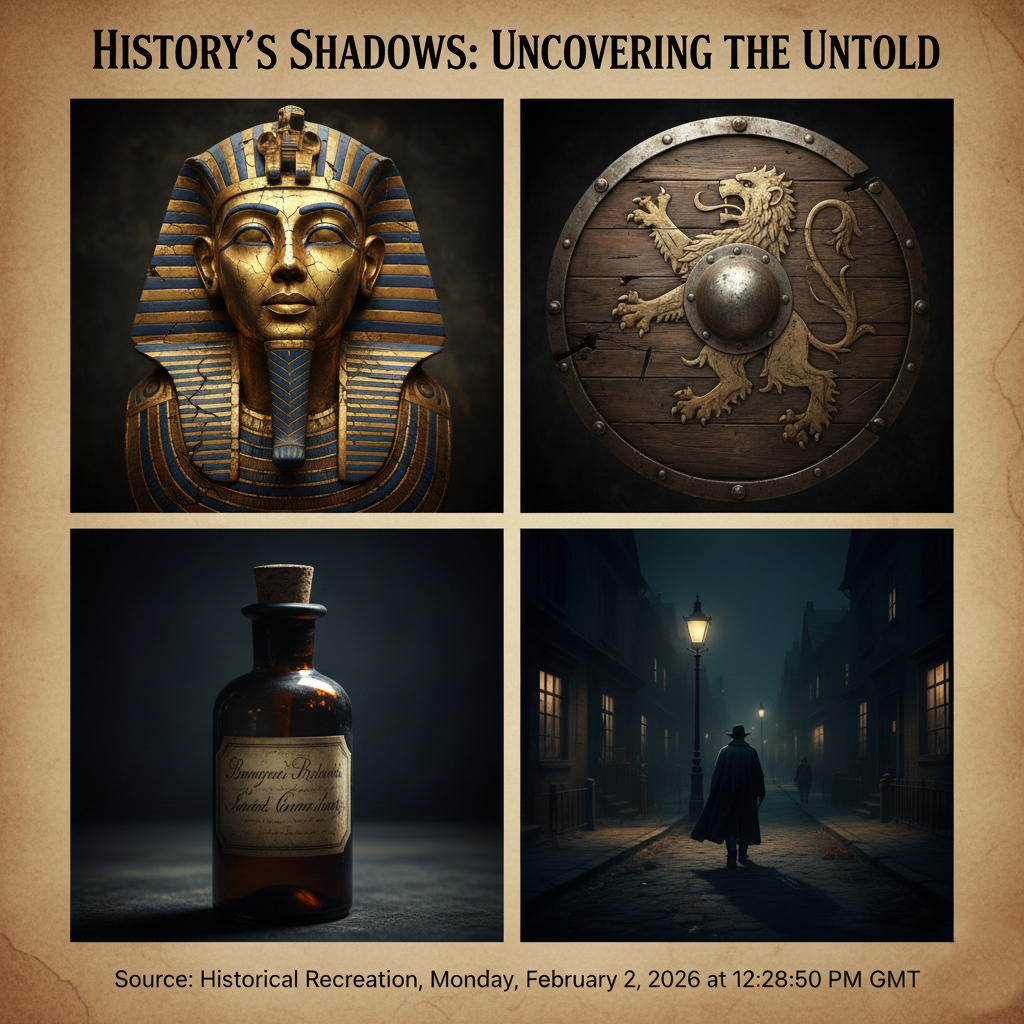
- The Curse of King Tut: There was no written curse in Tutankhamun’s tomb. The rumor was started by journalists after the death of Lord Carnarvon, who actually died of an infected mosquito bite four months after the tomb was opened.
- Spartan Infanticide: The story that Spartans threw weak babies off cliffs is likely “Spartan slander” written by Roman historians 600 years later. Archaeological excavations of the proposed sites found adult remains but no infant bones.

Survival in the Ancient World: The Gritty Reality of Greece
Life in classical Athens was a hierarchy of strict classes. While we celebrate their philosophy, their economy was fueled by a brutal slave system. Slaves—often prisoners of war—worked in sweltering, unventilated silver and copper mines with a life expectancy of only a few years. Interestingly, the ancient Greeks were among the first to realize that exercise and a diet of nuts, fruits, and dairy were the keys to a healthy life—a concept many still struggle with today.

Medical Nightmares and Biological “Zombies”
The history of medicine is a record of trial and error—with a lot of “error.”
- The Syphilis Outbreak of 1494: During the Italian Renaissance, a “super syphilis” strain ravaged Europe. Unlike the modern version, this strain caused flesh to literally rot to the bone, with patients losing their noses, lips, and eyes before finally succumbing to the disease.
- The Face of CPR: The face on almost every CPR training doll in the world belongs to “L’Inconnue de la Seine,” an unidentified young woman who was pulled from the River Seine in the 1880s. A pathologist was so struck by her serene expression that he made a plaster death mask, which later inspired the design of the “Resusci Anne” mannequin.
A Shared Human Journey
History reminds us of the fragility of human life and the lengths individuals will go to for survival, power, or profit. By understanding the dark and bizarre corners of our past, we gain a deeper appreciation for the progress we’ve made and the lessons we must carry forward.













Leave a comment