


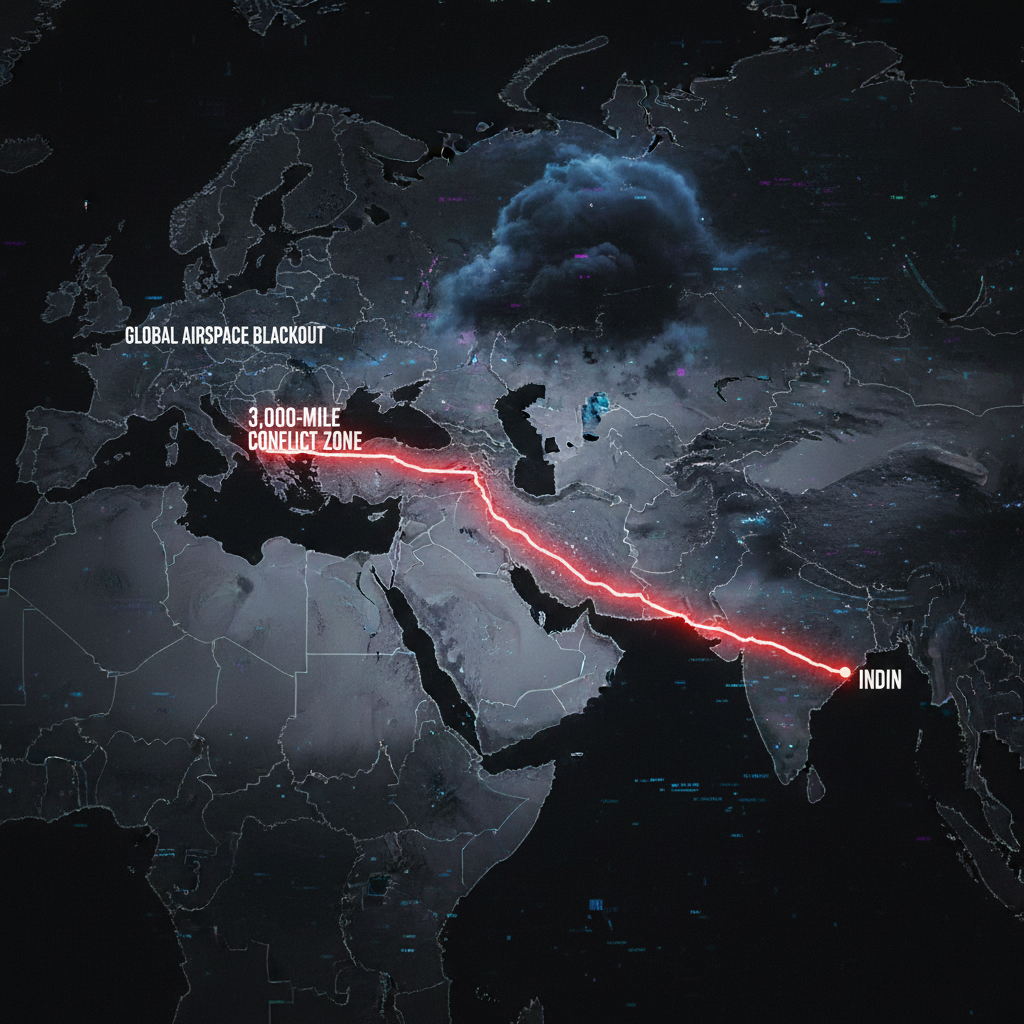
The 3,000-Mile Continuous War Zone
The scale of the current conflict in the Middle East has reached a point that is difficult to comprehend. We are now witnessing a continuous 3,000-mile war zone. If you track the nations currently involved—either as targets or active participants—the line stretches from Cyprus all the way to the edge of India. This distance is longer than the entire width of the United States.
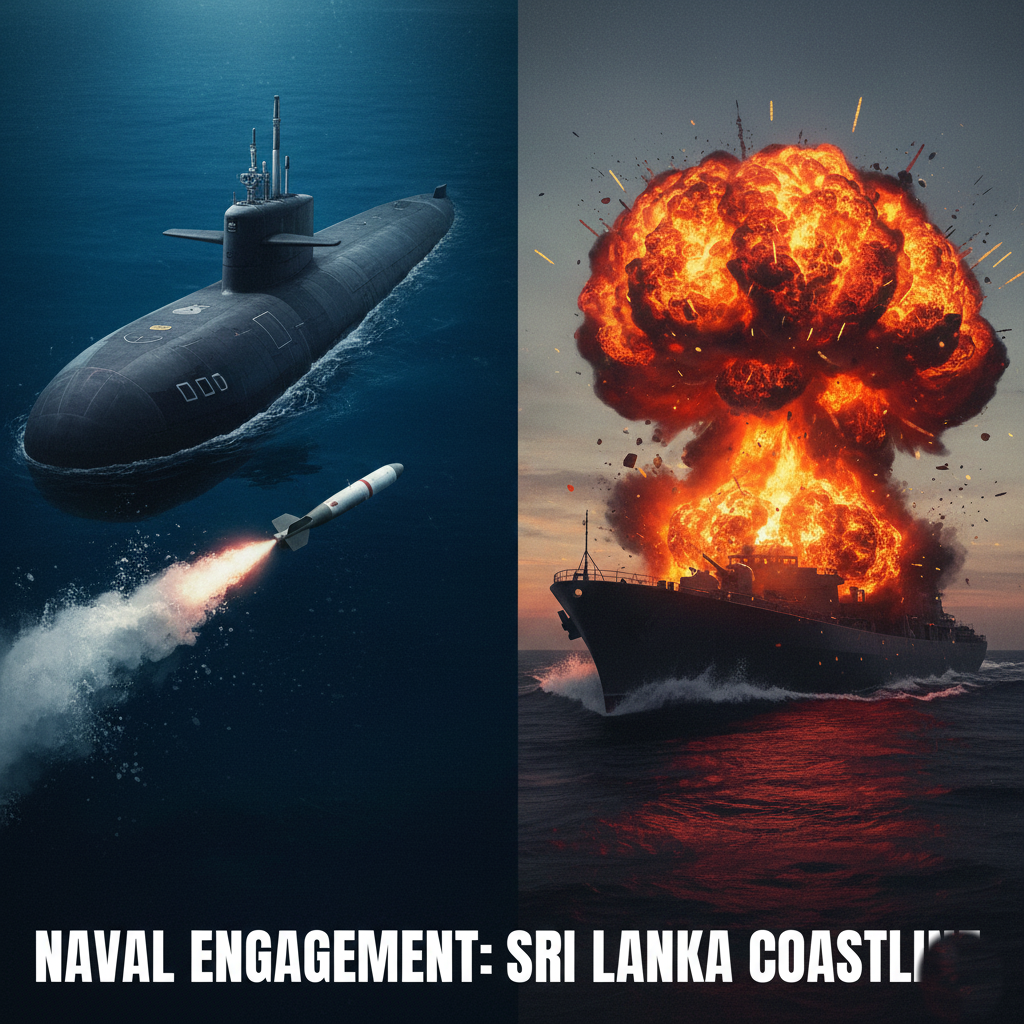
While not every inch of this territory is an active battlefield, the entire region is under high-alert status. Major European nations like the UK, France, and Spain have begun preparing emergency evacuations for their citizens. The map is expanding daily, with the conflict now reaching into the Indian Ocean. Recently, a US submarine sank an Iranian Navy ship off the coast of Sri Lanka, marking the first time the US has used a torpedo to sink an enemy vessel since World War II.
The Hole in the Sky and Economic Gridlock
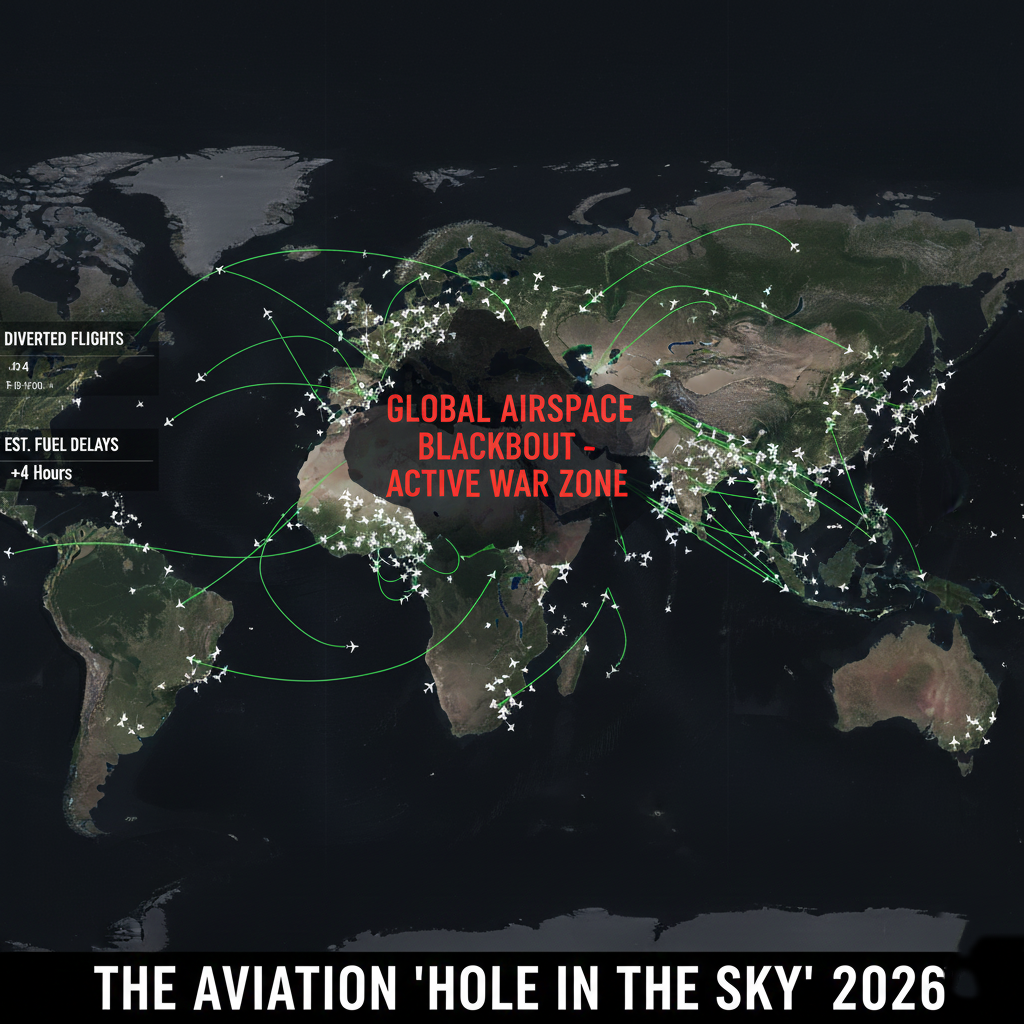
The “hole in the sky” isn’t just a metaphor; it’s a visible reality on global aviation maps. One of the world’s busiest crossroads for international flights has effectively vanished. Several countries have closed their airspaces entirely, leading to thousands of cancellations and stranding travelers worldwide.
For the rest of us, this means “billing while China is chilling.” Because airlines must now take longer, more congested routes, fuel consumption has spiked, and those costs are inevitably being passed down to consumers.
The disruption extends to the ocean as well. The Strait of Hormuz, which sees 20% of the world’s natural gas and oil—along with 34% of global fertilizers—is currently a “hole” in the shipping lanes. Iran has closed the corridor to almost everyone except China. Experts predict oil could reach $120 per barrel if these blockades persist, triggering a massive wave of global inflation.
Diplomacy on the Edge: Trump vs. US Allies
The war has created a sharp divide among traditional allies. President Donald Trump has been vocal in his criticism of countries that haven’t fully supported US operations.
- Spain: Trade dealings have been threatened after Spain denied US forces access to their bases for strikes against Iran.
- The UK: Relations appear to be at a historic low. Trump recently criticized Prime Minister Keir Starmer, suggesting the UK is no longer the “reliable ally” it once was.
While the UK has permitted the use of its bases in Cyprus and deployed warships for protection, the “Special Relationship” is being tested like never before.
A Religious Narrative in the Military?

Perhaps the most surreal development is a report from the Military Religious Freedom Group. They claim to have received hundreds of calls from US service members reporting that some commanders are framing the war in Iran as part of a “divine plan.” The rhetoric allegedly suggests that Donald Trump has been “anointed” to cause a global “Armageddon” that would mark a significant religious return. Whether this is isolated or a widespread sentiment, it adds a complex and volatile layer to the conflict.
The Supreme Court’s AI Copyright Landmark
Away from the battlefield, the US Supreme Court has delivered a massive blow to the AI industry. They have declined to hear a case regarding the copyrighting of AI-generated art. The standing rule remains: without “significant human creative input,” AI material cannot be copyrighted.
This sets a huge precedent. If you can’t copyright AI-generated work, you don’t technically own it, making it nearly impossible to monetize or protect from others who might want to use the same prompts.

Conclusion
From the shifting borders of a 3,000-mile war to the legal battles over digital creativity, 2026 is proving to be a year of unprecedented change. As military operations potentially shift to “boots on the ground” in Western Iran and the global economy braces for a fuel crisis, staying informed is no longer optional—it’s essential.














Leave a comment