


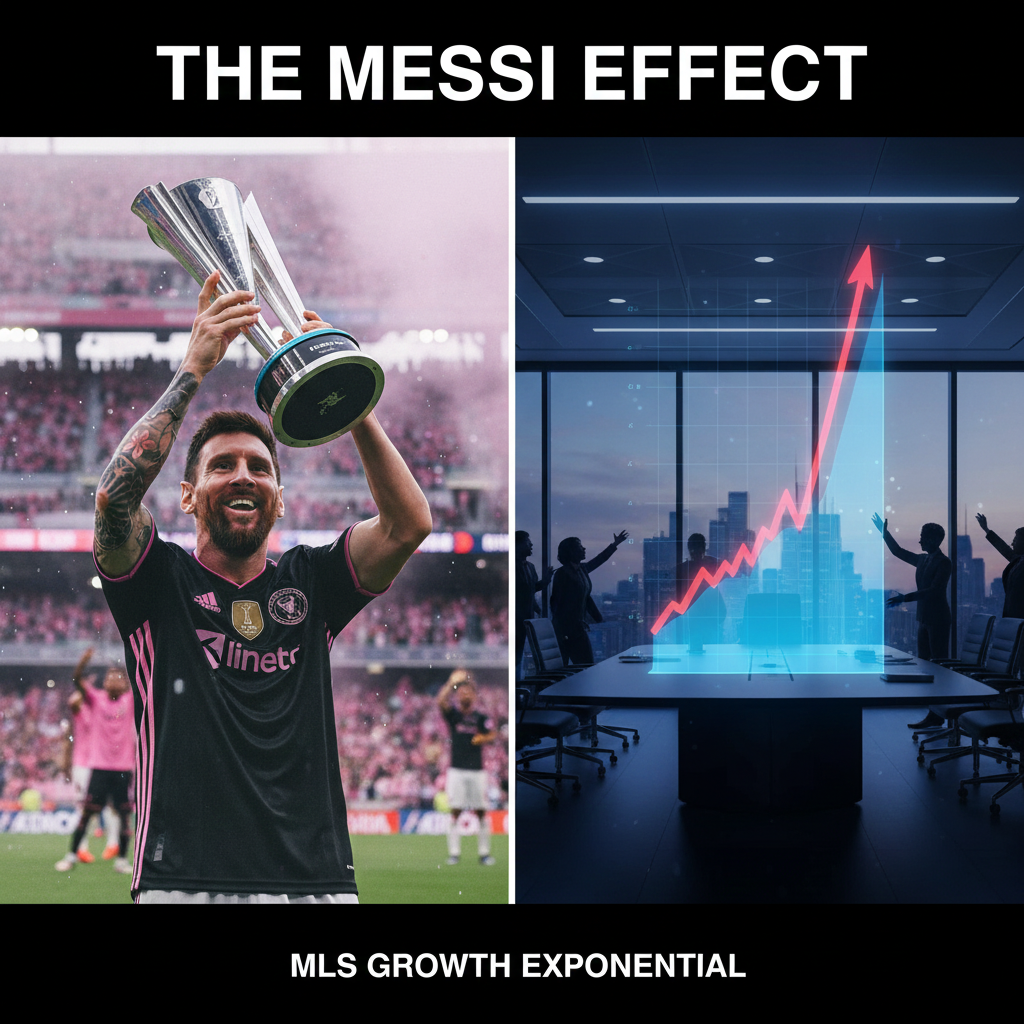
When David Beckham ran onto the field to retrieve the MLS Cup trophy—because his players were too busy celebrating to remember it—it was a full-circle moment. Twenty years ago, Beckham changed the league as a player. Today, as an owner, he has done it again by bringing the greatest player of all time to American soil.
But now that Inter Miami has lifted the trophy, a bigger question looms: Is this just a fleeting moment of glory, or has Lionel Messi fundamentally altered the landscape of Major League Soccer forever?
In a recent segment on Call It What You Want, The Athletic’s Paul Tenorio—author of the upcoming book The Messi Effect—breaks down exactly how Messi’s presence is reshaping the league’s future.
Validating the “Super Team” Experiment
For Inter Miami’s ownership group, the 2024 MLS Cup win wasn’t just a trophy; it was validation.
The club spent astronomical amounts of money not just to sign Messi, but to surround him with friends and legends like Luis Suárez, Sergio Busquets, and Jordi Alba. The goal was twofold:
- Commercial Success: Sell tickets, jerseys, and subscriptions globally.
- Sporting Success: Win trophies.
According to Tenorio, Miami has now “checked both of those boxes.” But the true legacy of this era won’t be measured in shirt sales. It will be measured by whether the rest of the league follows suit.
“If what happened on Saturday is the peak of Messi in MLS… it won’t be what it could have been. The key is the doorway that the owners now have to walk through.” – Paul Tenorio

The Boardroom Battle: Parity vs. Super Clubs
The most significant impact of Messi’s arrival isn’t happening on the field—it’s happening in the boardrooms.
Tenorio reveals that Messi’s arrival in July 2023 immediately “accelerated the conversations” about changing MLS roster rules. The league is now facing an existential debate:
- The Parity Model: Keep strict salary caps so that any team (like Columbus or Philadelphia) can beat any other team.
- The Super Club Model: Loosen the purse strings to allow big-market teams (LA, Miami, NY, Chicago) to spend $45M+ on rosters and compete with European giants like Ajax or Benfica.
Messi has proven that spending big breaks through the noise. Without his influence, MLS likely wouldn’t be discussing the “calendar flip” or major roster rule changes that are currently on the table for 2026.
The Next “Saudi Moment”?
With the 2026 World Cup on the horizon, MLS has a unique opportunity. Tenorio suggests the league needs a “Saudi Moment”—a coordinated push where owners are given a mandate to go out and sign massive global stars.
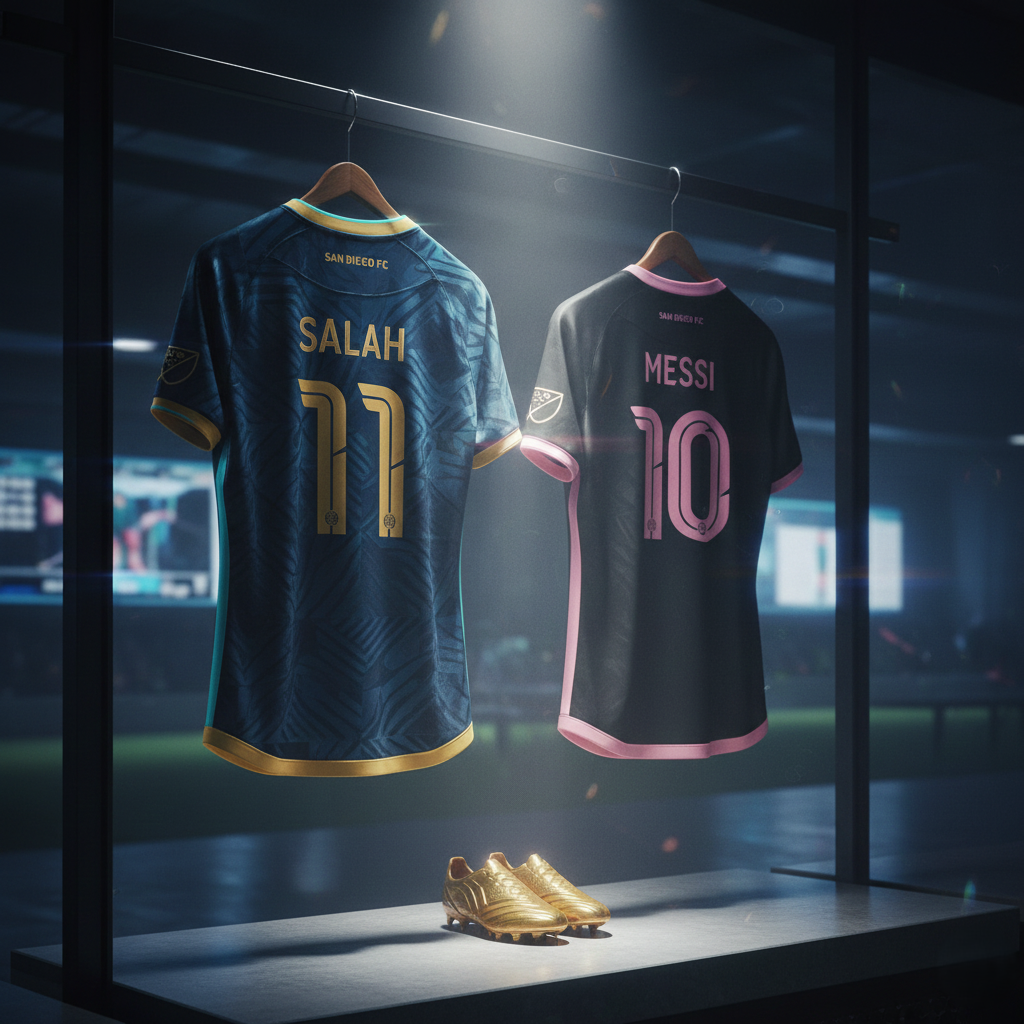
Mohamed Salah is explicitly mentioned as the next potential target. With San Diego FC entering the league (backed by billionaire Mohamed Mansour), there is speculation that a massive bid for the Egyptian king could be the next domino to fall.
“Americans love big names. We need to raise the ceiling of MLS so that the ceiling of American players goes up too.”
Conclusion: The Door Is Open
Lionel Messi has done his part. He brought the eyes, the money, and the trophy. Now, the ball is in the owners’ court.
Will MLS revert to its old ways once Messi retires, or will this be the catalyst for a new era where American teams can legitimately compete on the global stage? As Tenorio notes, the “Messi Effect” is only real if the league walks through the door he kicked open.
Watch the full discussion below:















Leave a comment