



Introduction: From Hype to Tumbleweeds
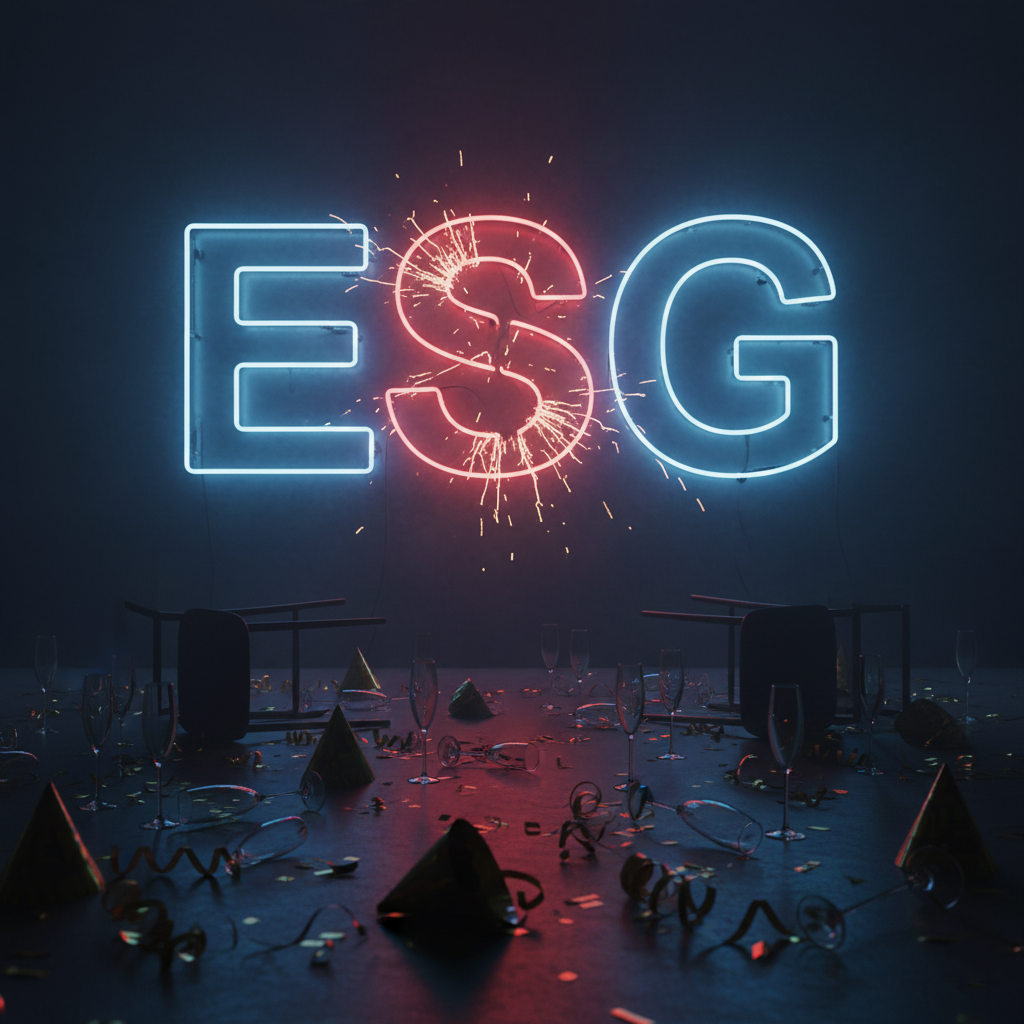
In 2021, you couldn’t open a financial newspaper without seeing the letters ESG (Environmental, Social, and Governance). It was hailed as the “next evolution of capitalism,” a way to save the planet while making a profit. But by 2024, the “ESG party” has fallen silent.
Was it a multi-trillion dollar marketing scheme, or has the world just changed too much for “virtue investing” to survive?
The 5 Suspects: Who Killed the ESG Party?
The FT Film identifies several key factors—and people—responsible for the sudden chill in the sustainable investing market.
1. Vladimir Putin and Energy Security
The 2022 invasion of Ukraine changed the math for investors. Suddenly, “defense” and “energy security” became more important than “carbon footprints”. As oil and gas prices soared, ESG funds (which typically avoid fossil fuels) dramatically underperformed the broader market.
2. The US Political Backlash
Figures like Tucker Carlson and politicians like Ron DeSantis successfully dragged ESG into the heart of the “culture wars”. They labeled it “woke capitalism,” leading to Republican states withdrawing billions of dollars from asset managers like BlackRock.
3. Larry Fink and the Silent Giants
Once the most prominent standard-bearer for ESG, BlackRock CEO Larry Fink has notably backed away from the term. Under immense political pressure, Fink stated he prefers not to use the acronym “ESG” anymore due to its toxic political baggage.
4. Desiree Fixler and the “Greenwashing” Whistle
Public trust was shattered when Desiree Fixler, the former head of ESG at DWS, blew the whistle on greenwashing. Her revelations proved that many firms were claiming ESG credentials without actually changing how they invested internally.
5. Stuart Kirk: The Anti-Hype Speech
A former HSBC executive who gave a blunt speech arguing that climate risk was being overblown in financial models. While he lost his job, his comments opened the door for investors to voice legitimate criticisms of ESG inconsistencies.
The Fundamental Confusion: Risk vs. Virtue
The documentary highlights a core problem: people can’t agree on what ESG actually is.
- Definition 1 (Risk Management): Using climate and social data to protect your long-term returns.
- Definition 2 (Positive Impact): Investing to make the world a better place.
When a firm puts an oil company in an ESG fund because it’s “undervalued,” a customer looking for “virtue” feels betrayed. This mismatch in definitions has been a primary driver of the current disillusionment.
Is the Future of ESG Investing Dead?
The short answer is no—but the “party” is definitely over. Experts predict that the three letters “ESG” may disappear, but the underlying practice will become embedded into all long-term investing.
As we move into a post-fossil fuel age, accounting for climate risk isn’t “woke”—it’s just sensible fiduciary duty. The next era will favor those who do the serious work of grappling with data rather than those who just print fancy brochures.

What do you think? Is ESG a vital tool or a failed experiment? Let us know in the comments.
Watch the full FT Film here:













Leave a comment