


Have you ever been caught muttering to yourself while looking for your keys, only to feel a wave of embarrassment when your neighbor notices? For decades, talking to yourself has been stigmatized as a sign of mental instability. However, psychology research tells a very different story: self-talk is completely normal and is something almost all of us do every single day.
Whether it’s a silent narration in your head or a vocalized “I can do this,” your inner voice is a powerful tool for navigating life.
The Roots of Self-Talk
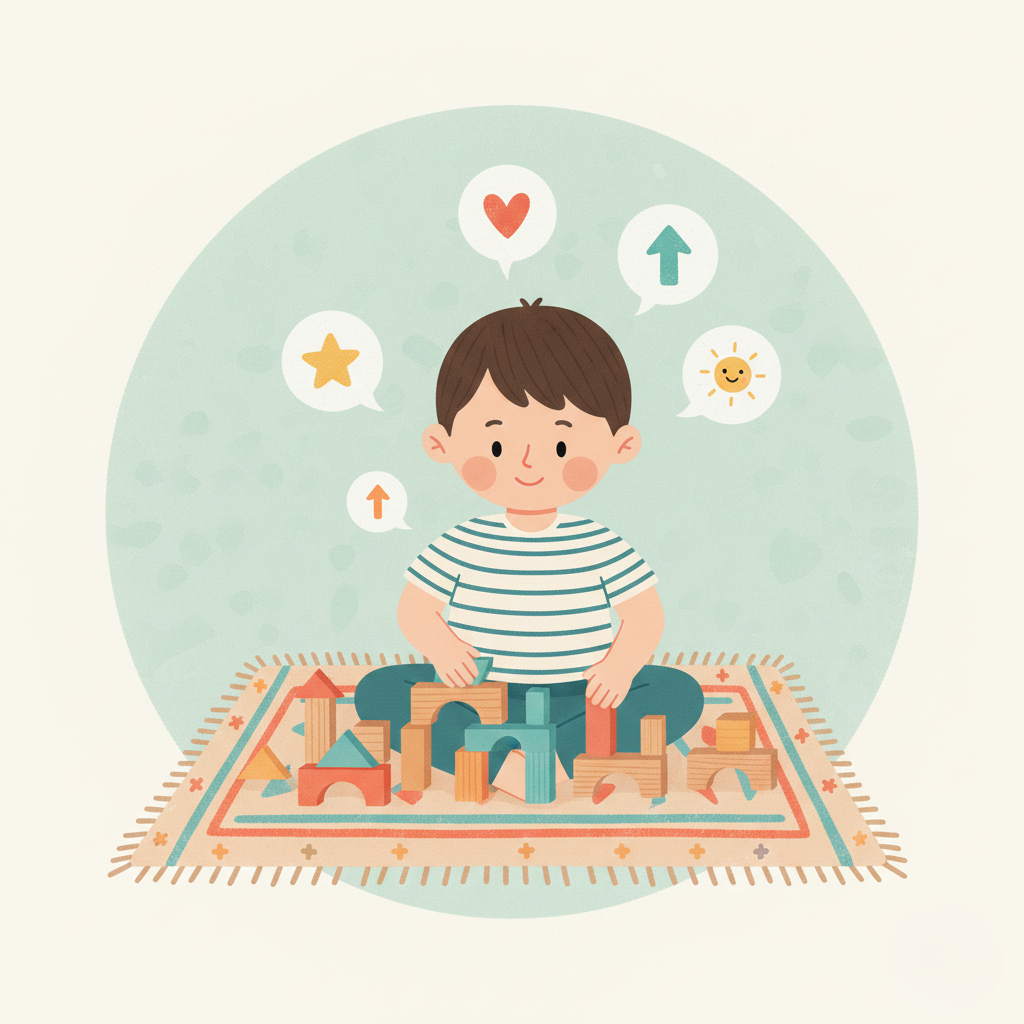
Our first experiences with self-talk are often vocal. If you’ve ever watched a child play, you’ve likely heard them narrating their actions out loud. In the 1930s, psychologist Lev Vygotsky hypothesized that this “private speech” is essential for development.
By talking to themselves, children practice managing their emotions and behaviors. As we grow older, this outward speech usually becomes internalized, morphing into the private inner dialogue we know as adults.
How Self-Talk Boosts Performance
The way we talk to ourselves can have a measurable impact on our success. Research has identified two specific types of beneficial self-talk:
- Instructional & Motivational: This type of talk increases focus and accuracy. For example, a study of collegiate tennis players found that using instructional self-talk during practice significantly boosted their concentration.
- Distanced Self-Talk: This involves talking to yourself as if you were another person (e.g., saying “Caleb, you are prepared” instead of “I am prepared”). This technique is especially effective at reducing stress during anxiety-inducing tasks like public speaking.
The Toxic Side of the Inner Critic
While positive self-talk is a shield, negative self-talk can be a poison. Most people are self-critical occasionally, but frequent or excessive negativity can become toxic.
High levels of negative self-talk are predictive of anxiety and depression, particularly when individuals ruminate on their failures or constantly blame themselves. This is why fields like Cognitive Behavioral Therapy (CBT) focus heavily on regulating the tone of our inner voice, teaching us to replace harsh judgments with more compassionate reflections.

Conclusion: Be Your Own Best Partner
Your inner voice is a partner you will be talking to for the rest of your life. The science is clear: talking to yourself isn’t “crazy”—it’s a fundamental part of being human. The next time you catch yourself in a conversation with yourself, remember the most important rule: be kind.














Leave a comment