


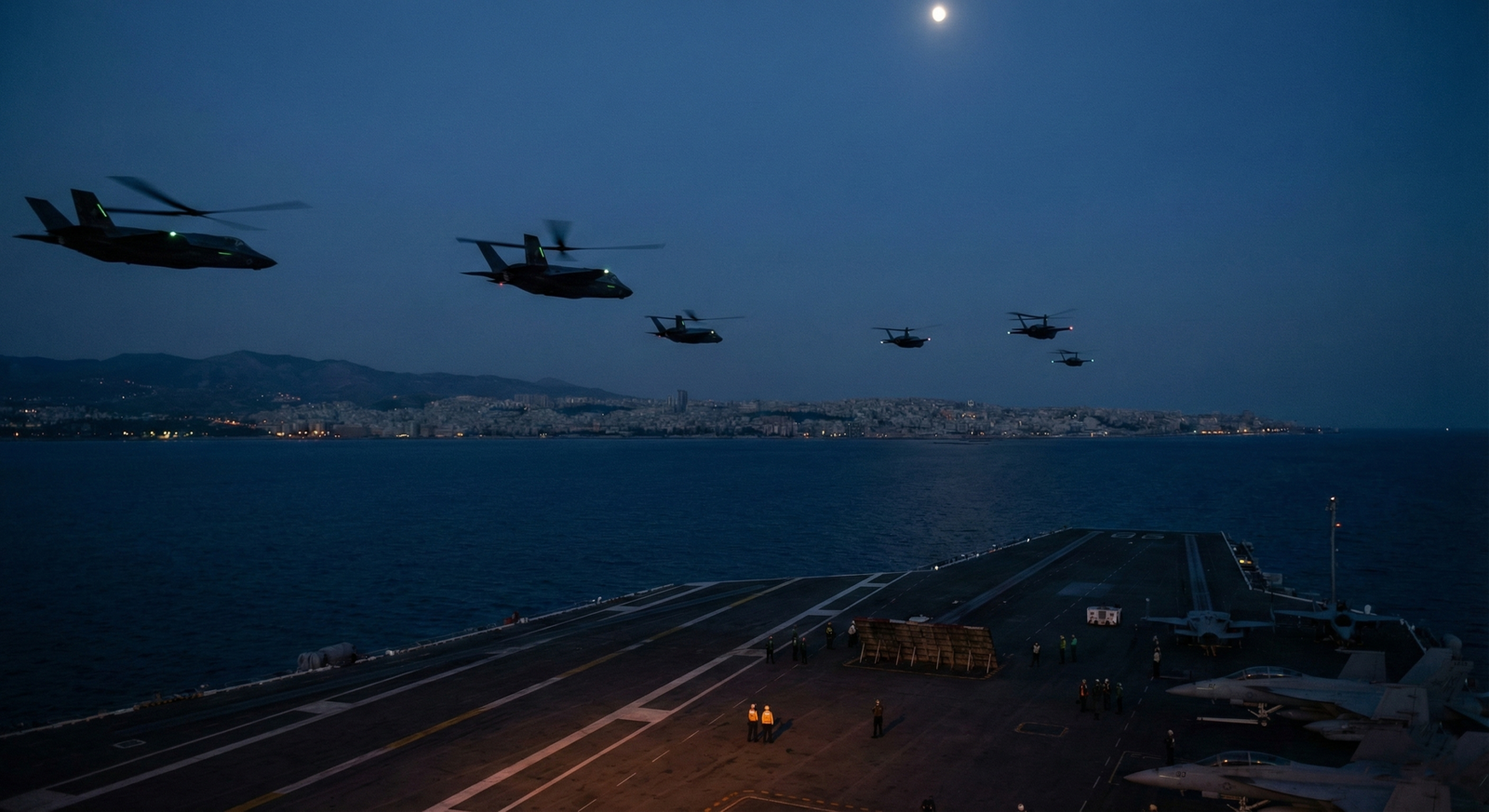
The Midnight Strike: Inside the Capture of Nicolás Maduro
On the night of January 2-3, 2026, the geopolitical landscape of the Western Hemisphere was fundamentally altered. Under the cover of darkness, U.S. forces executed a high-stakes mission that resulted in the capture of Venezuelan President Nicolás Maduro and his wife, Cilia Flores.
Tactical Brilliance or Negotiated Theater?
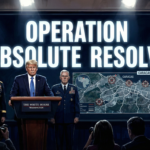
The operation, characterized by strategic experts as Operation Absolute Resolve, involved a massive display of U.S. military might.
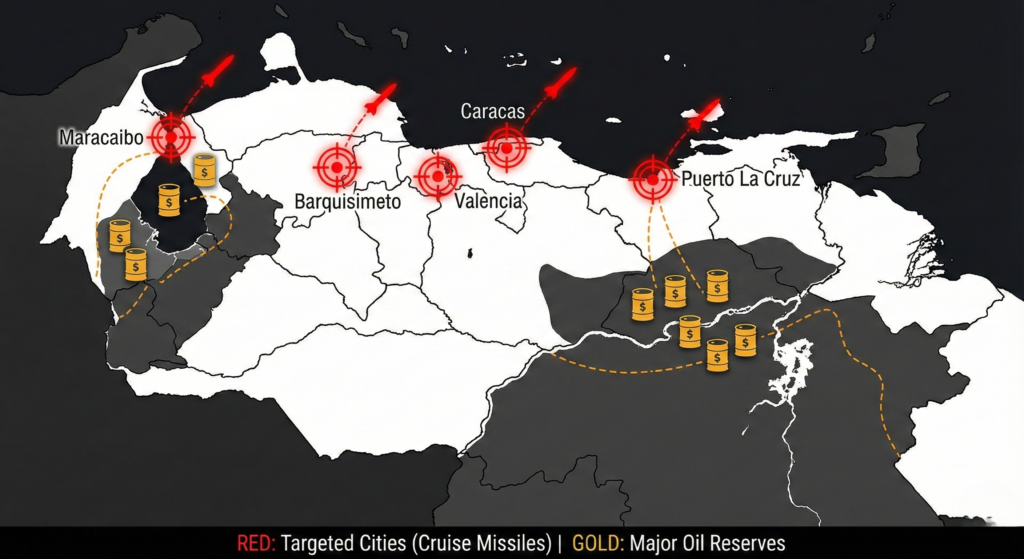
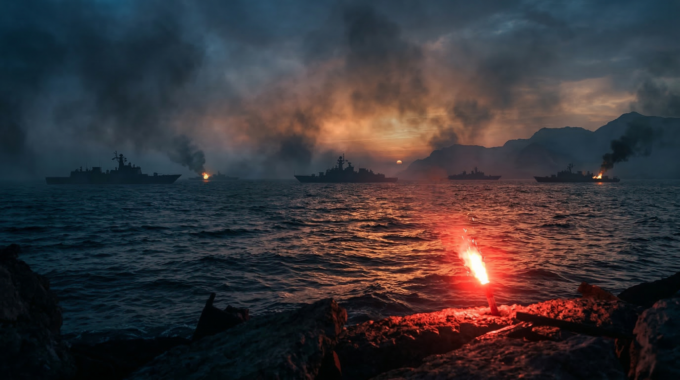
- Air and Sea Dominance: The USS Gerald R. Ford carrier battle group and accompanying guided-missile destroyers launched attacks on Caracas and four other major military hubs. Land-attack cruise missiles (Tomahawks) were deployed, possibly from nuclear submarines stationed off the coast.
- The “Blackout” Strategy: A sophisticated cyber-attack knocked out Caracas’s electrical grid, while electronic warfare suppressed air defenses. Despite reports of advanced Russian S-300 and S-400 systems, not a single missile was fired in defense.
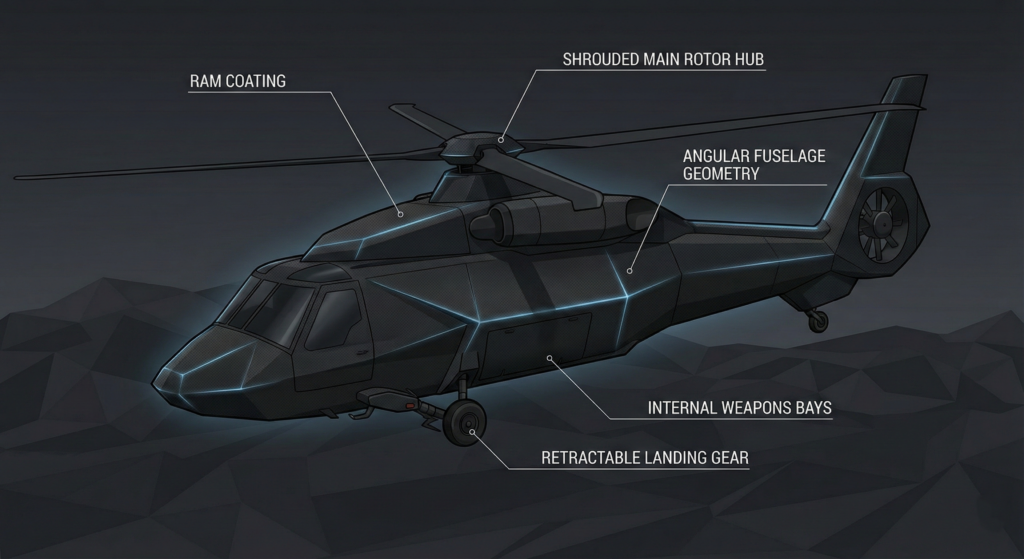
- Delta Force Extraction: The elite Delta Force, utilizing stealth helicopters modified with anti-radar paint (similar to those used in the Bin Laden raid), penetrated 100km inland to the presidential palace.
Some analysts, however, suggest a different narrative. The lack of resistance from the Presidential Guard and the prior communication between Maduro and U.S. officials lead some to believe this may have been a “negotiated surrender” staged to demonstrate American power.
The True Prize: Oil and Influence
The motivations behind the capture extend beyond legal indictments.
- Energy Security: Venezuela holds the world’s largest proven oil reserves (approx. 300 billion barrels). The U.S. move is seen as a strategic play to secure these resources and stop the flow of oil to China and Cuba.
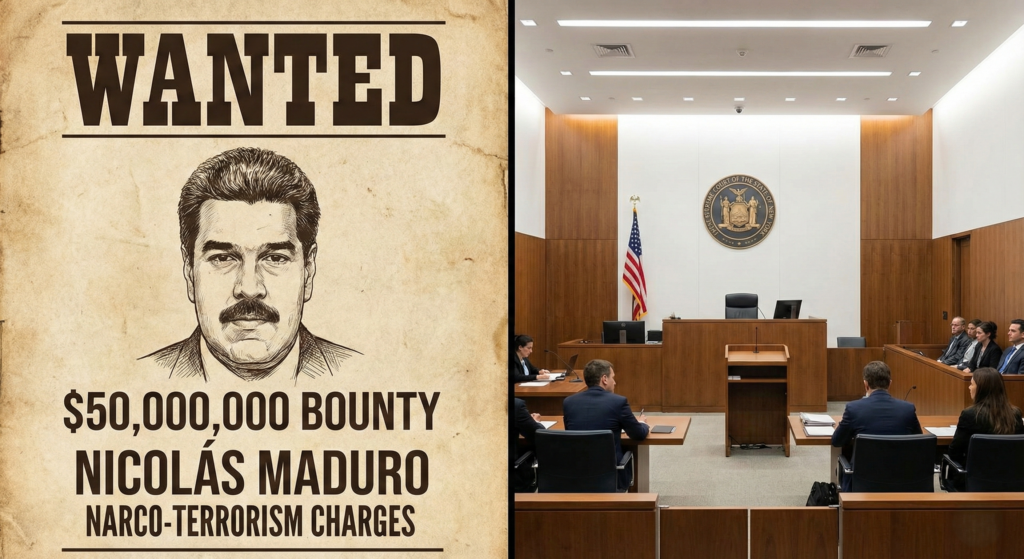
- Narco-Terrorism Charges: Maduro faces long-standing charges from 2020 for narco-terrorism, with a $50 million bounty previously placed on his head.
Global Repercussions: A World in Flux
The international community is now bracing for the fallout.
- Venezuelan Resistance: Vice President Delcy Rodriguez has asserted her authority and appealed to the UN, while the Minister of Defense and the head of the army have warned of potential guerrilla warfare.
- Russia and China’s Response: While a direct military counter-strike in the “American backyard” is unlikely, experts expect “tit-for-tat” retaliations in Europe and the South China Sea.
- International Law: Critics argue that such a flagrant violation of international law could lead world leaders to avoid the U.S. for fear of similar “criminal snatches”.
What Lies Ahead?
As the U.S. prepares for a “regime change” and a “colored revolution” to install a democratic candidate favorable to Western interests the risk of a full-scale insurgency looms. Whether this brings peace or a prolonged conflict remains the critical question for 2026.







Leave a comment