


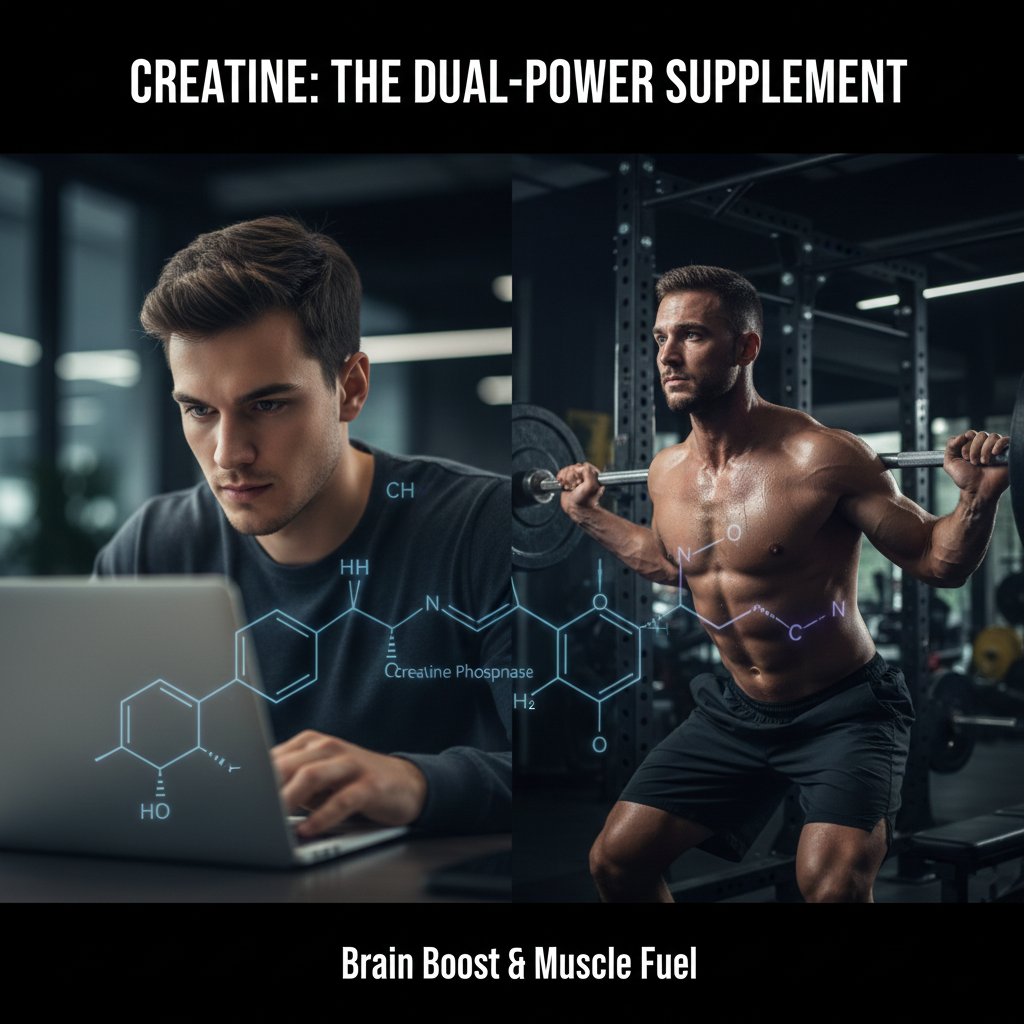
The Evolution of Creatine: From “Gym Bro” Staple to Brain Powerhouse
For decades, creatine was pigeonholed as a supplement exclusively for “gym bros” looking to get “swole.” However, recent scientific shifts have revealed that this naturally occurring compound is just as vital for the organ between your ears as it is for the muscles in your body. Whether you are a high-performing professional, a fitness enthusiast, or someone navigating a stressful lifestyle, understanding how creatine works can be a game-changer for your health.
How Creatine Works in the Body
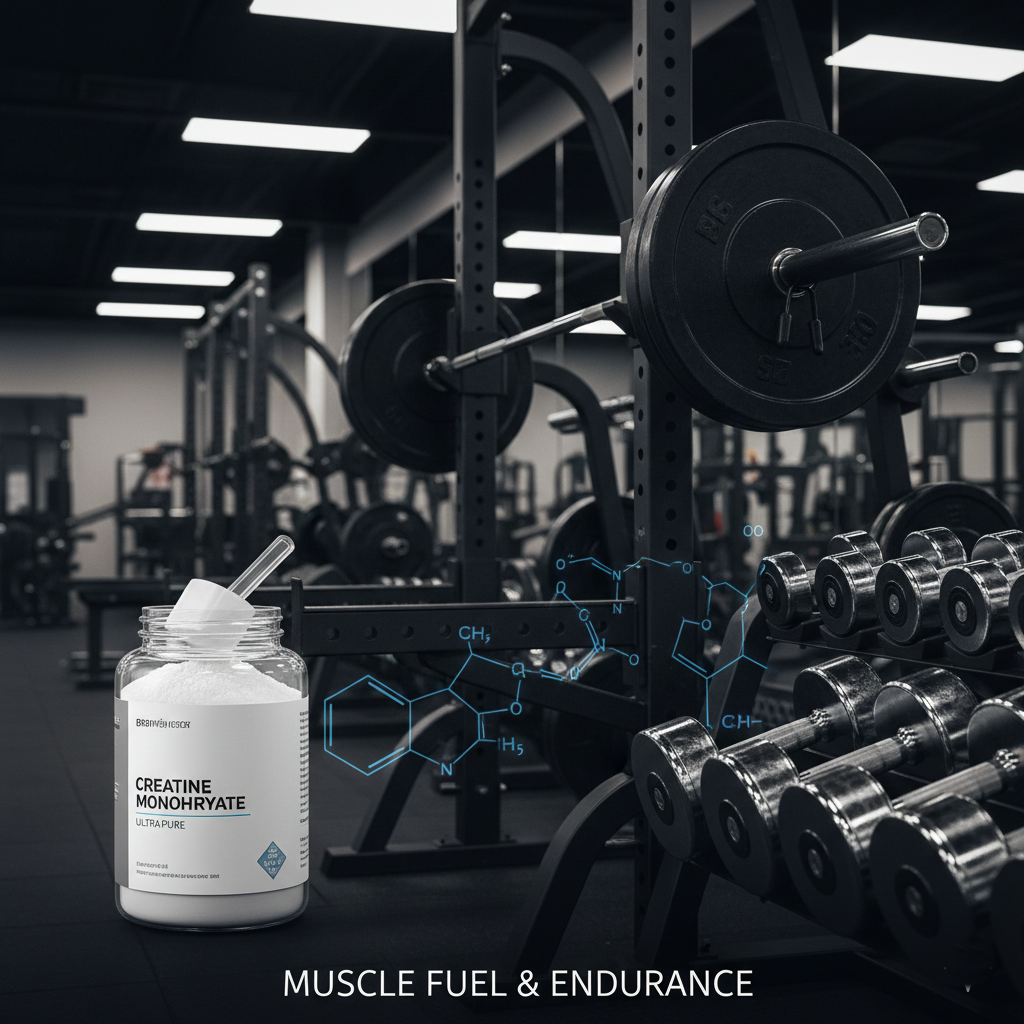
Creatine is produced naturally by the liver and the brain, typically at a rate of one to three grams per day. Its primary role is energy regeneration. In the muscles, it is stored as phosphocreatine, which helps produce ATP—the body’s fundamental energy currency—during high-intensity resistance training. This allows you to push for that extra rep, increasing overall training volume and strength over time.
However, it’s important to note that creatine isn’t a “magic pill” for muscle growth. It provides the energy required to do the work, but the work—resistance training—must still be done to see physical adaptations like increased lean body mass.
The Brain Benefit: A Shield Against Stress
While the muscles are “greedy” for creatine, the brain is equally reliant on it. The brain consumes a massive amount of energy, and under conditions of stress—such as lack of sleep, high cognitive load, or emotional strain—creatine levels can become depleted.
Recent studies, including notable research from Germany, suggest that while 5 grams a day is sufficient for muscle saturation, a higher dose of 10 grams may be necessary to significantly increase creatine levels in several regions of the brain. The results of these higher doses are fascinating:
- Sleep Deprivation: High doses of creatine (up to 20-30 grams) have been shown to negate the cognitive deficits caused by staying awake for over 21 hours.
- Cognitive Load: It helps maintain focus and energy during demanding tasks, preventing the dreaded “mid-afternoon crash” without the need for a ketogenic diet.
- Mental Health: Emergent research suggests that creatine may assist in managing symptoms of depression and even show promise in improving cognition for those with neurodegenerative diseases like Alzheimer’s.
Debunking Common Myths
Despite its benefits, several misconceptions persist, particularly among women.
- Bloating and Weight Gain: While creatine does draw water into the cells, it typically results in a negligible weight gain (often less than two pounds), which is a small trade-off for the performance and cognitive benefits.
- Hair Loss: A single, non-replicated 2009 study on rugby players suggested a link between creatine and increased DHT (a hormone linked to hair loss). However, a 2025 randomized controlled trial found no significant difference in hair outcomes for men taking creatine over 12 weeks.
- Cancer Risk: Contrary to fears that it might cause cancer, a 2025 study of 25,000 people suggested that higher creatine intake was actually linked to a 14% reduction in cancer risk.
Who Should Take It?
Creatine is particularly essential for vegans and vegetarians, as it is primarily found in animal products like meat and fish. Many who don’t consume these foods find that supplementing with 5 to 10 grams of creatine significantly boosts their daily energy levels and reduces the need for excessive sleep.
Conclusion
Whether you’re hitting the weights or hitting the books, creatine offers a unique dual-benefit profile. By supporting energy regeneration at a cellular level, it acts as a “supercharger” for both physical performance and mental resilience.












Leave a comment