



Key Clinical Treatments
Minoxidil: Changing the Dynamics
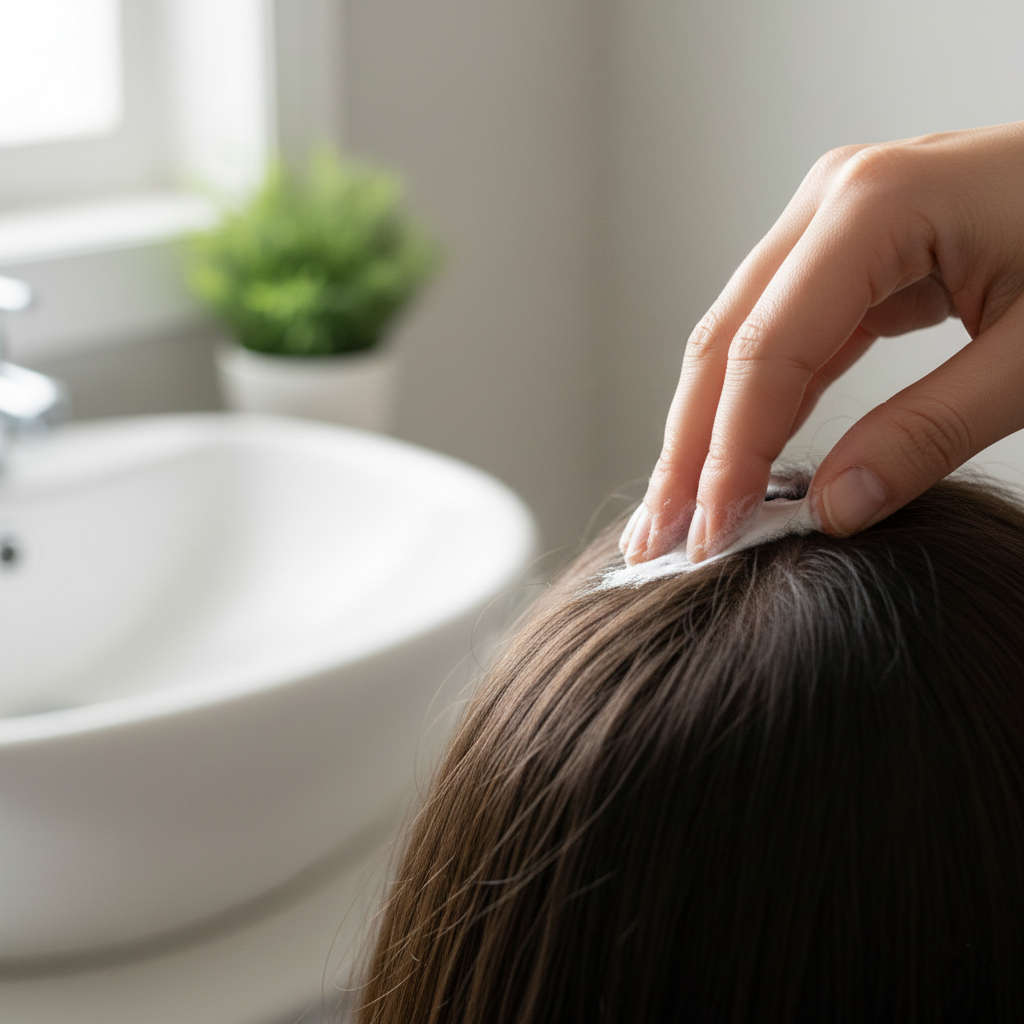
Minoxidil is one of the longest-standing treatments for thinning hair. Rather than just halting hair loss, it primarily changes the dynamic between “vellus” hair (fine, miniaturized hair) and “terminal” hair (thicker, longer hair). By increasing blood flow and shifting the growth phase, minoxidil can help reverse miniaturization to a degree. However, it is important to note that minoxidil must be used consistently and indefinitely to maintain any growth achieved.
The Role of Finasteride and Dutasteride
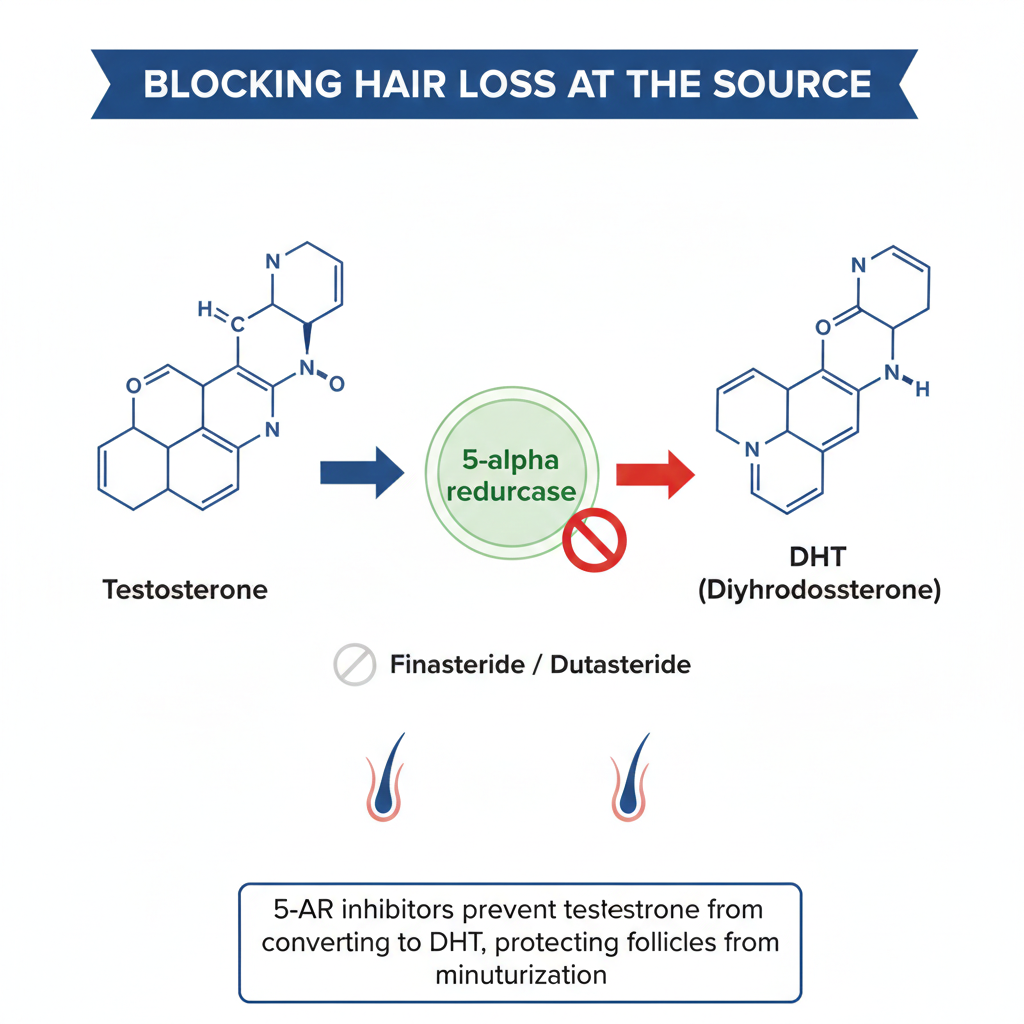
If your goal is to halt the progression of hair loss, 5-alpha reductase inhibitors like finasteride or dutasteride are the primary agents. These medications work by blocking the conversion of testosterone into DHT, the hormone largely responsible for follicle miniaturization in pattern baldness. Finasteride has been shown to reduce hair loss in up to 90% of men, though results in women are generally less dramatic.
While topical formulations exist, oral tablets (typically 1mg daily) remain the clinical standard due to their more consistent bioavailability. If side effects occur, medical professionals often suggest down-titrating the dosage rather than stopping altogether.
Supplements and Scalp Health
Caffeine and Saw Palmetto
Beyond prescription drugs, several over-the-counter compounds can support hair maintenance:
- Topical Caffeine: Applying caffeine ointments or shampoos can stimulate follicles and increase growth factors directly at the scalp.
- Saw Palmetto: This natural extract has mild 5-alpha reductase inhibition properties, helping to hold on to existing hair when included in shampoos or supplements.
Ketoconazole Shampoos
Often found in anti-dandruff products like Nizoral, Ketoconazole is both anti-fungal and anti-inflammatory. Research suggests it can be effective in increasing both hair count and diameter, making it a valuable addition to a hair care regimen.
The Impact of Internal Health
Insulin Sensitivity and Weight Management
Your metabolic health plays a surprising role in hair retention. Conditions like insulin resistance and obesity can lead to systemic issues that trigger hair thinning. Supplements such as myoinositol or berberine, which improve insulin sensitivity, may indirectly support hair health.
However, caution is advised during weight loss journeys. Rapid or extreme weight loss is a significant stressor on the body and can actually trigger temporary hair loss.
The IGF-1 Connection
Insulin-like Growth Factor 1 (IGF-1) is often discussed as a stimulant for hair growth. While some suggest using growth hormone to increase IGF-1, this can be counterproductive. Increased IGF-1 can inadvertently raise DHT levels, potentially accelerating hair loss in sensitive individuals.
Stopping hair loss is most effective when addressed early. By combining clinical mainstays like finasteride with proper scalp care and metabolic health management, most individuals can successfully maintain their hair. Always consult with a medical professional to tailor a treatment plan to your specific needs and monitor for any side effects.











Leave a comment