


Why Do Some Memories Stick?
Have you ever wondered why you can remember the birth of a child or a first kiss in vivid detail, yet forget what you had for breakfast? According to Dr. Suzuki, memories stick due to emotional resonance.
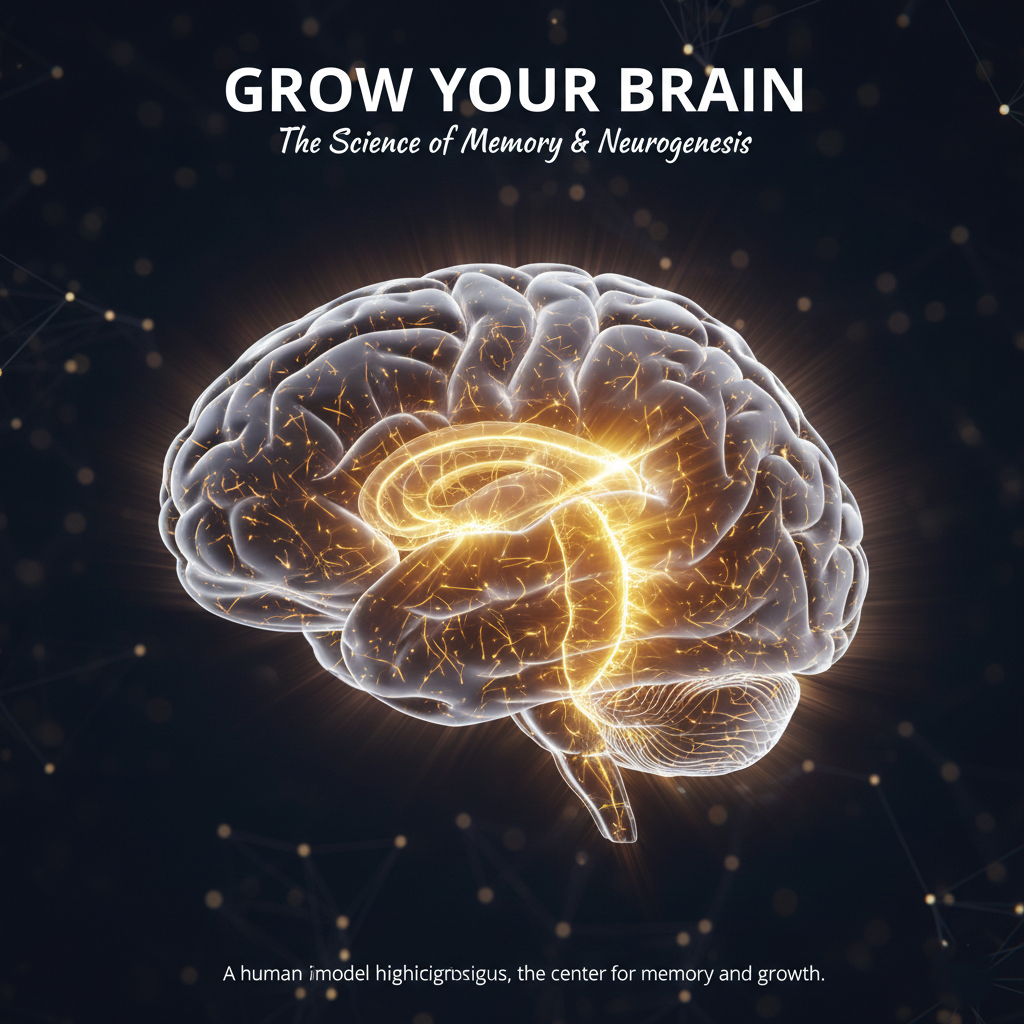
The hippocampus—the brain’s memory factory—sits right behind the amygdala, the center for emotion. When a moment is infused with high emotion (happy or sad), the amygdala “glues” that memory into the hippocampus with extra strength. Other factors that help memories last include repetition, association, and novelty.
The Science of a “Brain Bubble Bath”
Dr. Suzuki describes exercise as a “bubble bath” for your brain. Every time you move your body, your brain releases a rush of neurochemicals:
- Dopamine & Serotonin: Immediately boost your mood.
- Noradrenaline: Sharpens your focus and attention.
- Endorphins: Reduce stress and pain.
Even a single 10-minute power walk can improve your reaction time and your ability to focus for hours afterward.
Your Most Powerful Brain Muscle: The Hippocampus
While most of the brain cannot grow new cells in adulthood, the hippocampus is a remarkable exception. Through a process called neurogenesis, you can actually grow brand-new brain cells at any age—even in your 90s.
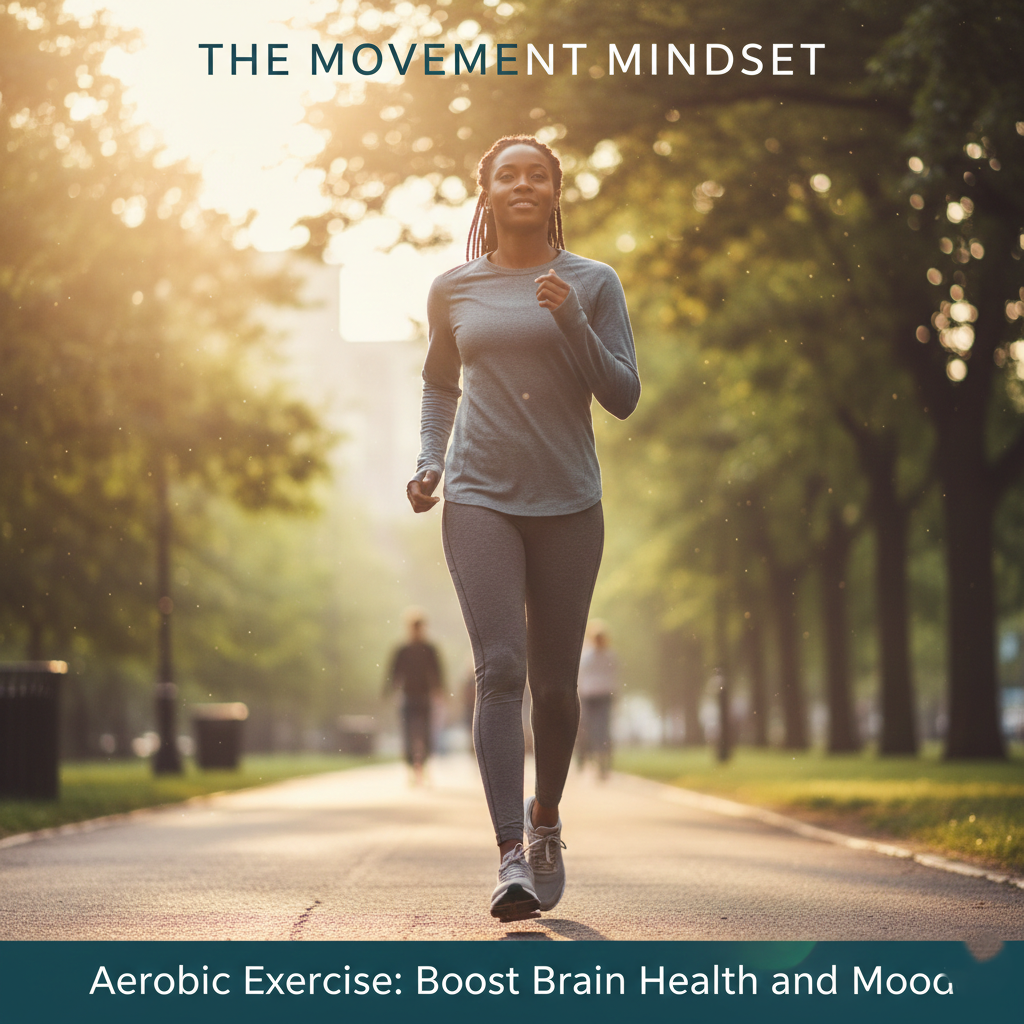
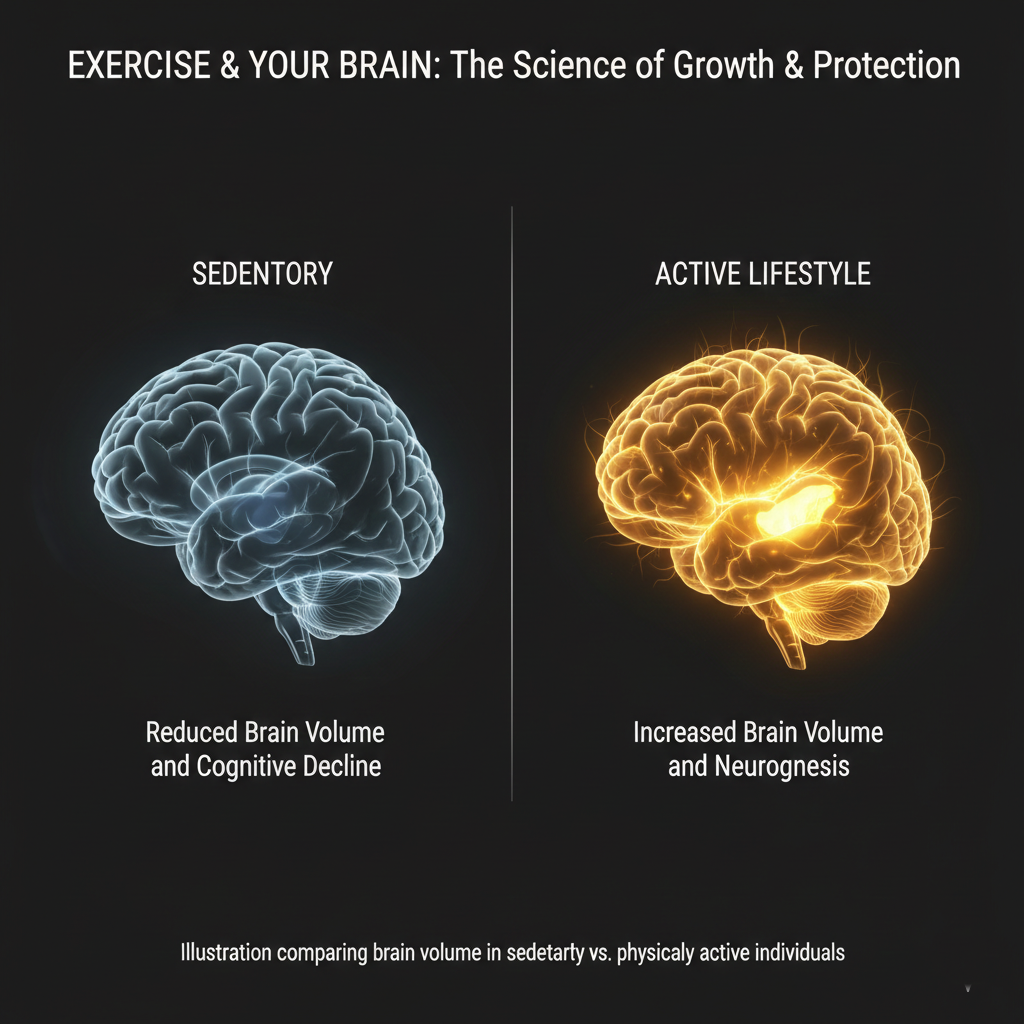
The “secret ingredient” is a growth factor called BDNF (Brain-Derived Neurotrophic Factor). Think of BDNF as “Miracle-Gro” for your brain. Regular aerobic exercise acts like a watering can, showering your hippocampus in BDNF and making it “big, fat, and fluffy.” The bigger your hippocampus, the longer it takes for diseases like Alzheimer’s to wear away at your personal history and functional abilities.
How Much Exercise Do You Need?
You don’t need to be a marathon runner to see results. Dr. Suzuki’s research outlines actionable targets:
- The Beginner’s Boost: For those currently sedentary, just two to three sessions a week of 45-minute aerobic exercise (like a spin class or power walk) can significantly improve mood and memory function within three months.
- The Consistency Rule: Every drop of sweat counts. Aerobic activity—anything that raises your heart rate—is the key. This includes dancing, gardening, or even walking briskly through a museum.
- Personalization: The best routine is one you can stick to. Dr. Suzuki personally finds that 30 minutes of cardio and weights at home is her “sweet spot” for maintaining peak cognitive performance.
It’s Never Too Late
One of the most empowering findings in neuroscience is that our “genes are not our destiny.” While genetics play a role, lifestyle factors like exercise, nutrition, and social connection are powerful tools for brain plasticity. Whether you are 25 or 85, moving your body today is the single most transformative thing you can do for your brain health tomorrow.










Leave a comment