



1. Medication Side Effects
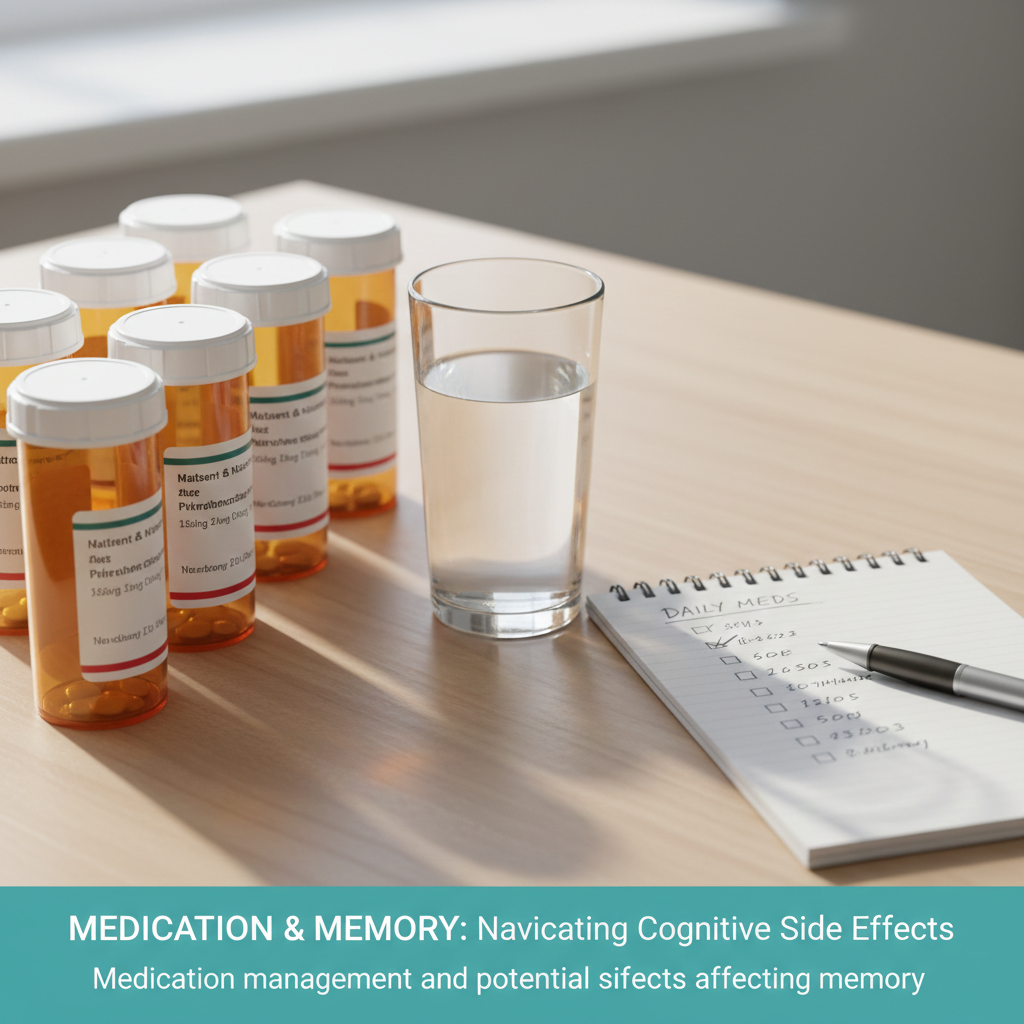
Many commonly used medications can slow down brain function. In older adults, the body processes drugs differently, making them more susceptible to cognitive side effects that mimic or worsen memory loss.
2. Blood Chemistry Abnormalities
Imbalances in your blood can directly impact how your brain works. Geriatricians routinely check for abnormal levels of:
- Sodium
- Calcium
- Glucose (Blood Sugar)
- Kidney or liver function issues
3. Hormone Imbalances
The most common hormonal culprit for memory issues is thyroid dysfunction. In some cases, shifts in estrogen and other sex hormones can also play a role, particularly in perimenopausal women.
4. Vitamin and Nutrient Deficiencies
The brain requires specific fuel to function. Deficiencies in Vitamin B12, other B vitamins, and folate are well-known to cause “brain fog” and memory impairment in seniors.
5. Delirium
Delirium is a state of sudden confusion brought on by physical illness, surgery, or infection. While common in hospitalized patients, it can happen to any older adult dealing with a serious health event.
6. Psychiatric Illness
Conditions like depression and anxiety are very common in older adults and can significantly interfere with focus, concentration, and memory. In some cases, late-life psychosis or paranoia may also be the primary issue.
7. Substance Use and Withdrawal
Both acute intoxication and chronic overuse of substances—including alcohol, illicit drugs, or even prescription medications—can impair brain function. Withdrawal from these substances can also cause temporary cognitive decline.
8. Vascular and Brain Injury
Damage to brain neurons often comes from injuries to the blood vessels. While major strokes are obvious, “small vessel disease” (micro-injuries over many years) is far more common and can lead to vascular cognitive impairment. Head injuries from falls should also be considered.
9. Infections
Certain acute or chronic infections can affect brain cells directly. While urinary tract infections (UTIs) are famous for causing confusion in seniors, this is usually a form of delirium rather than permanent damage to brain cells.
10. Neurodegenerative Conditions
Finally, there are progressive conditions that slowly damage brain cells over time. These include:
- Alzheimer’s Disease: The most common cause of progressive memory loss.
- Lewy Body Disease
- Parkinson’s Disease
- Frontotemporal Dementia
MCI vs. Dementia: What’s the Difference?
Doctors use specific terms to describe the severity of memory loss:
- Mild Cognitive Impairment (MCI): There is noticeable memory or thinking loss, but the person is still able to function independently in their daily tasks.
- Dementia: The cognitive impairment has become severe enough to interfere with independence and daily life.
The Next Step: Medical Evaluation
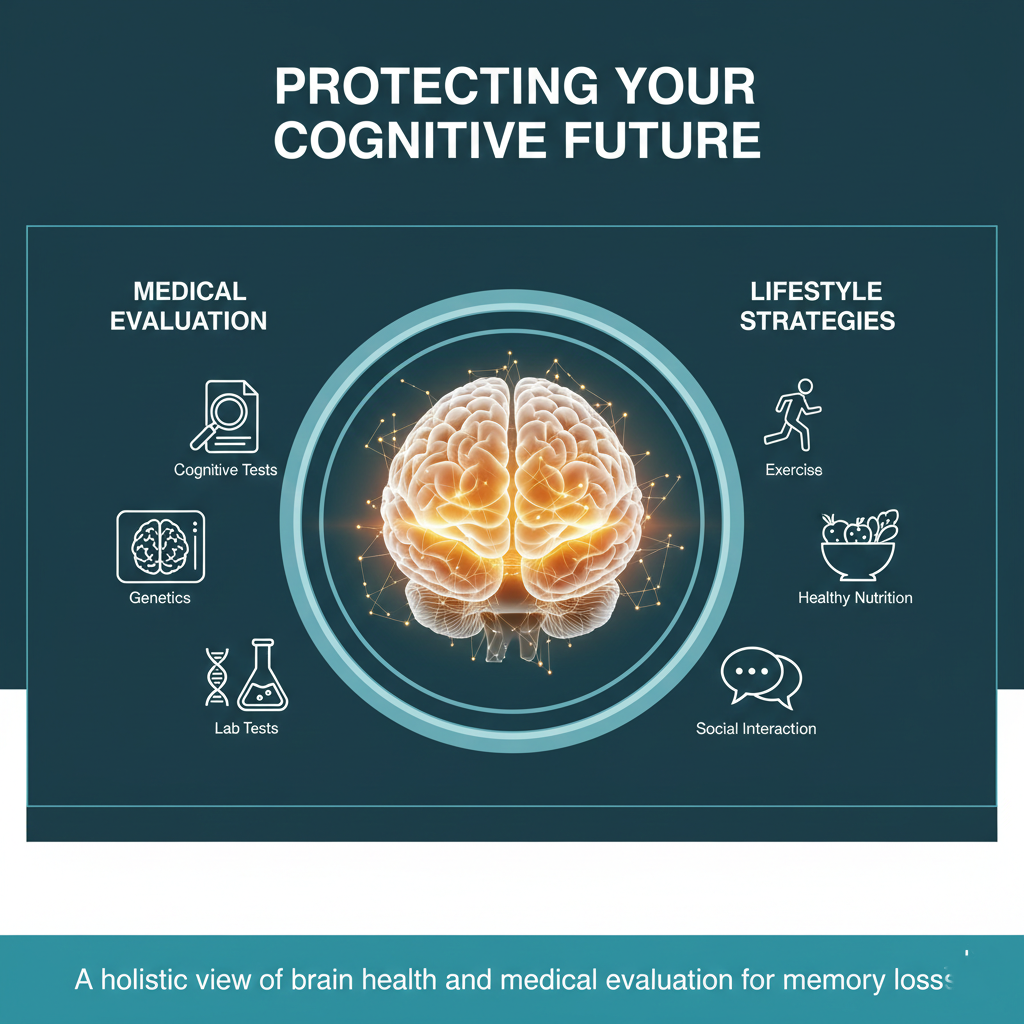
If you are worried about a parent’s memory, don’t jump to the worst-case scenario. Many of the causes listed above are reversible or can be significantly improved with the right treatment. The most important thing you can do is seek a comprehensive medical evaluation to rule out treatable problems before assuming a diagnosis of Alzheimer’s.












Leave a comment