



The Origins of the Modern Movement
While the struggle for justice spans centuries and cultures, the modern affirmation of universal human rights emerged from the devastation of World War II. With the creation of the United Nations, there was a global commitment to “reaffirm faith in fundamental human rights.”
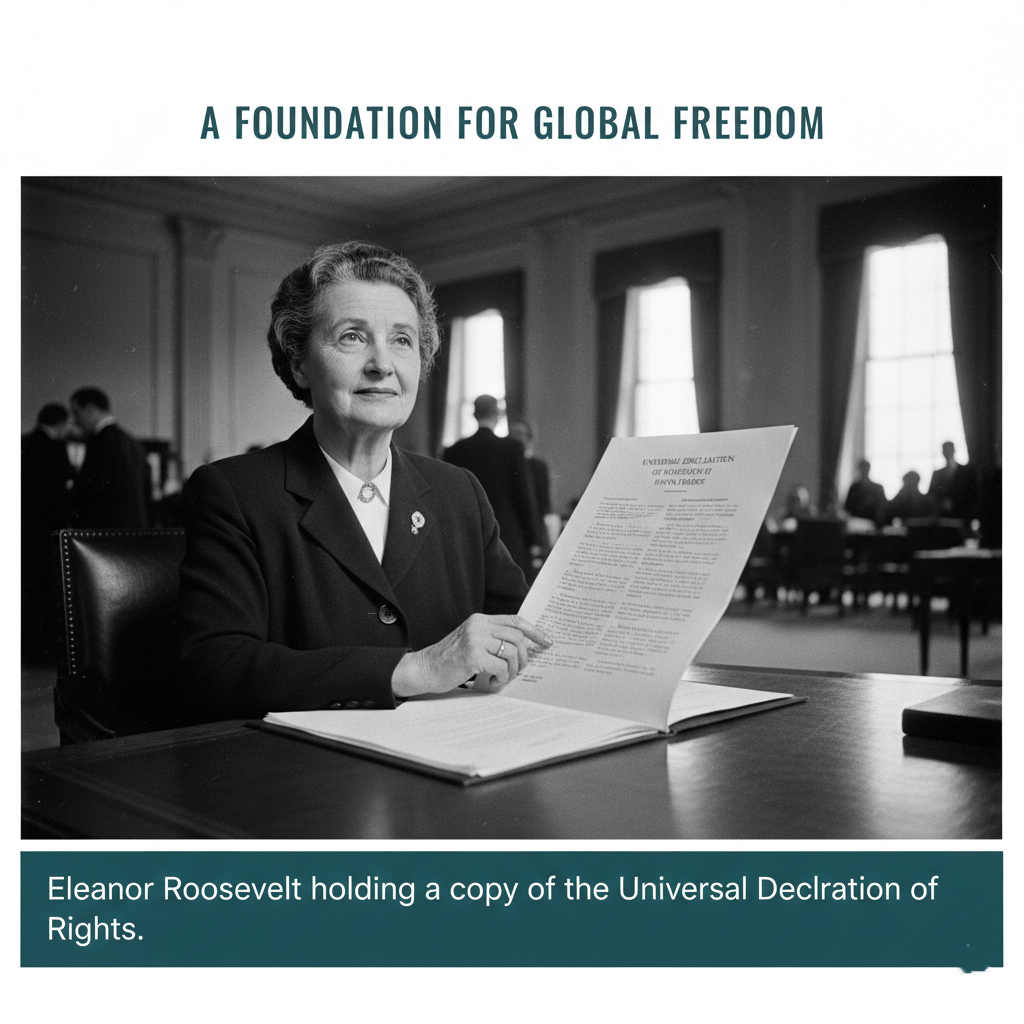
In 1948, the UN General Assembly adopted the Universal Declaration of Human Rights (UDHR). Chaired by Eleanor Roosevelt, an international committee drafted this landmark document, which serves as the foundation for modern international human rights law.
Thirty Articles of Freedom
The UDHR is based on the principle that all human beings are born free and equal in dignity and rights. It contains 30 articles that recognize a wide range of protections, including:
- Basic Liberties: The right to life, liberty, and security of person.
- Negative Freedoms: Freedom from torture, slavery, and arbitrary arrest.
- Positive Freedoms: The freedom of movement, residence, expression, and religion.
- Social and Economic Rights: The right to education, fair treatment at work, and the right to choose one’s occupation.
Crucially, the declaration views these rights as indivisible and interdependent, meaning no single right is more important than another.
The Challenge of Enforcement
If these principles are so well-defined, why do we see human rights abuses every day? The primary hurdle is enforcement. The UDHR is a declaration, not a hard law. When countries violate these rights, the mechanisms to hold them accountable can be weak.
The United Nations can monitor and investigate violations, but it often lacks the power to force a sovereign state to change its policies or compensate victims. Some critics argue that state interests still hold more power than international ideals, while others point out that the current framework has a Western bias that favors individual liberties over collective or group rights.
A Constantly Evolving Framework
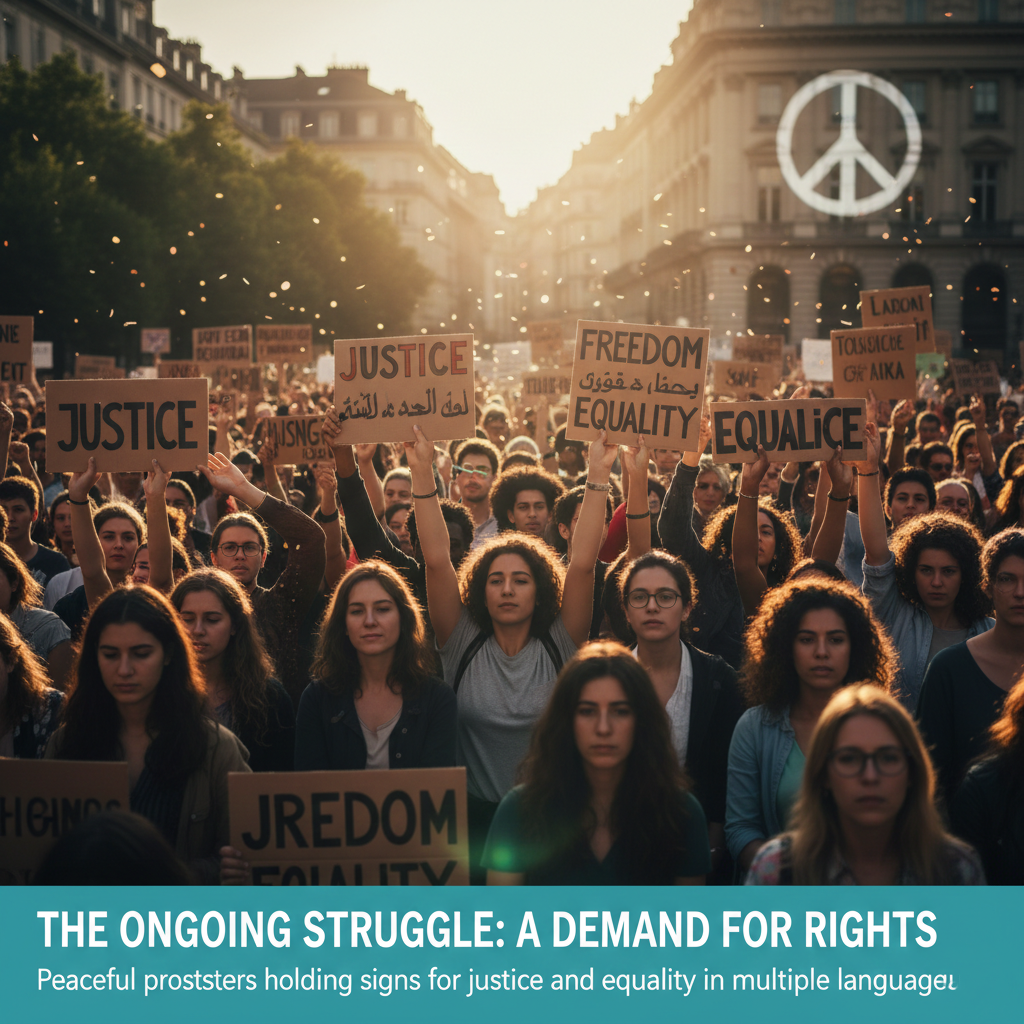
Despite these challenges, human rights law is not static. It continues to evolve as our society changes. Modern activists and legal scholars are currently debating new frontiers for human rights, such as:
- Digital Privacy: Protecting personal data in an increasingly connected world.
- Internet Access: Is access to the web a basic necessity for exercising other rights like education and expression?
- Environmental Rights: The right to a healthy environment as a prerequisite for the right to life.
Universal human rights serve as a vital international standard. While they are difficult to enforce and frequently ignored by those in power, they provide a powerful tool for activists and citizens to demand justice. As our world becomes more digital and interconnected, our definition of what is “basic” and “universal” will continue to grow, reflecting our shared journey toward a more equitable world.













Leave a comment