


Signal vs. Noise: The Steve Jobs Productivity Secret
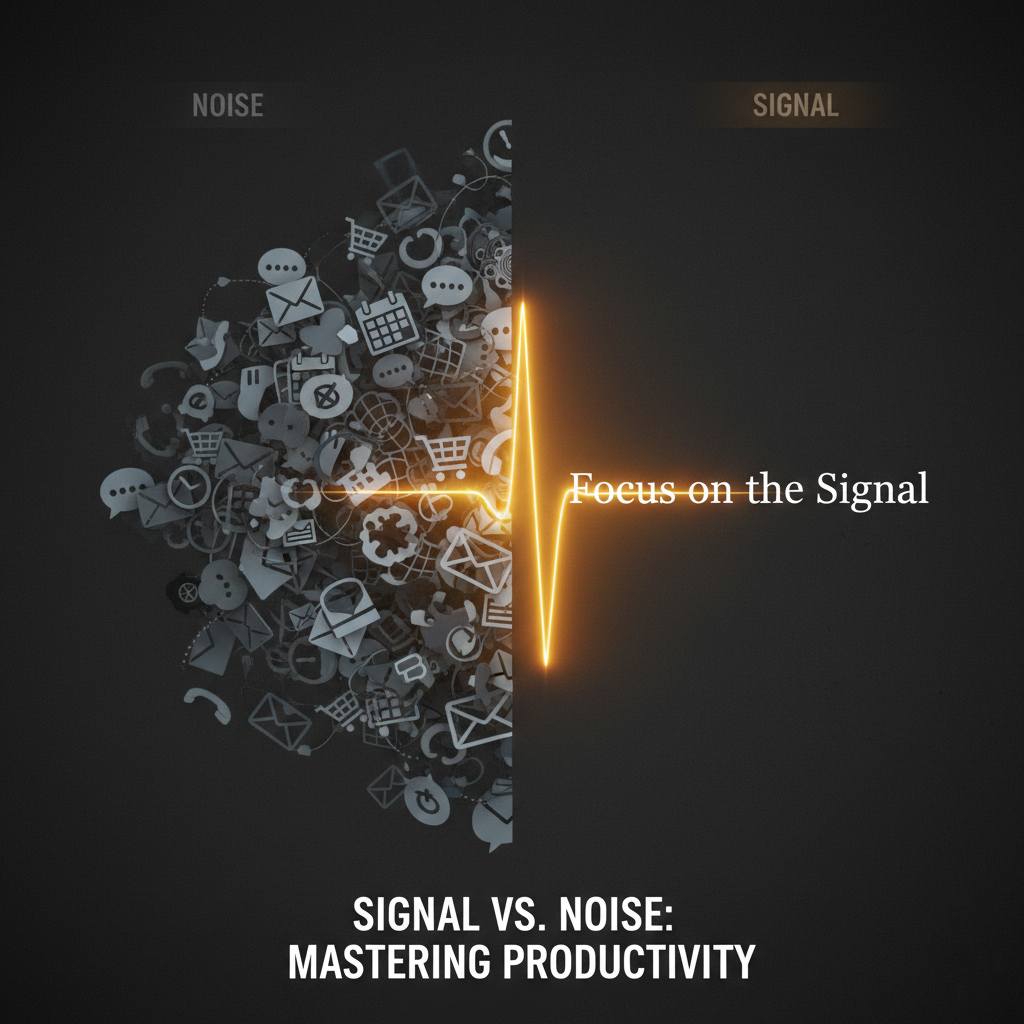
The difference between world-class performers and everyone else often comes down to their “Signal to Noise” ratio. As shared by Kevin O’Leary through his experience working with Steve Jobs, the “Signal” represents the top 3–5 critical things you must accomplish in the next 18 hours to move your mission forward. Everything else—emails, unplanned meetings, and digital clutter—is “Noise.”
To implement this, start your morning by creating two columns:
- The Signal Column: High-priority, mission-critical tasks.
- The Noise Column: Things to delegate, delay, or eliminate.
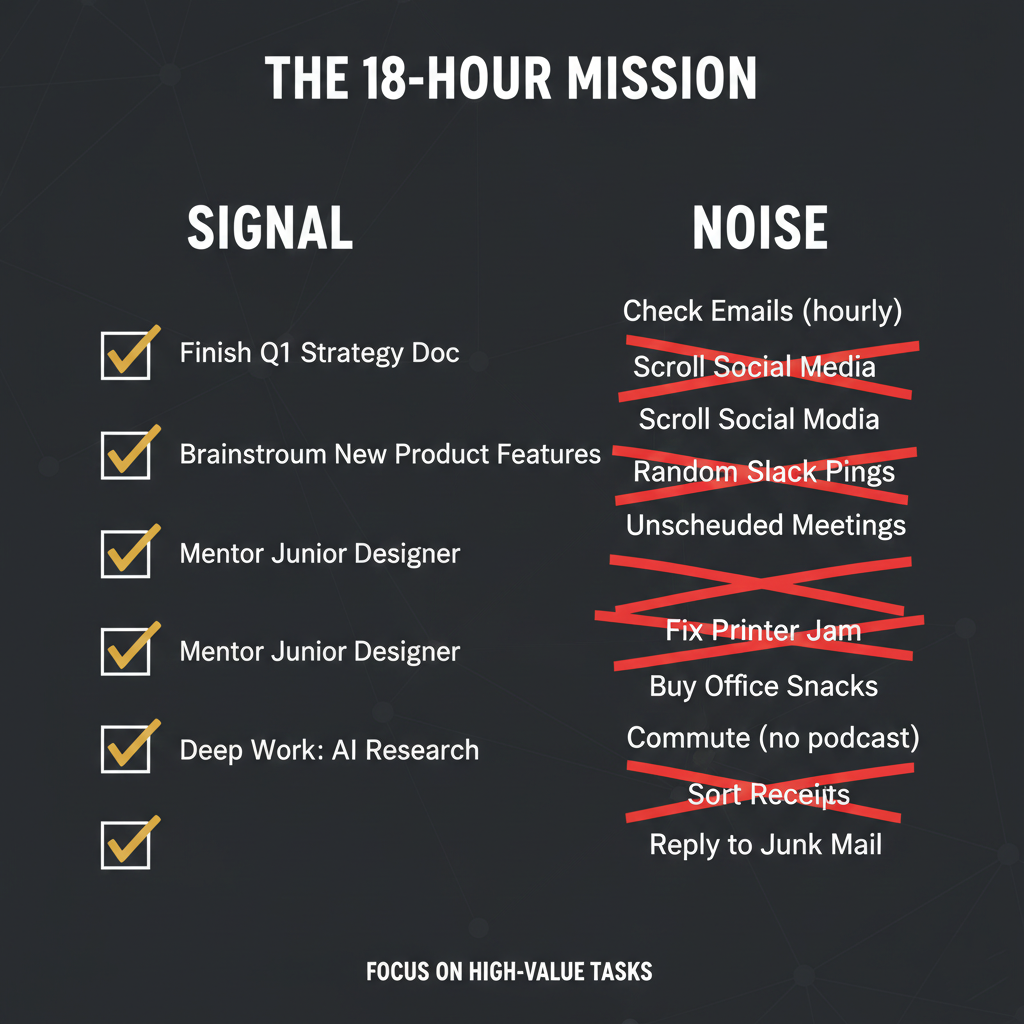
True focus isn’t just saying no to things you don’t want to do; it’s saying no to phenomenal ideas that distract you from your primary goal. By identifying the 80% of your time wasted on noise, you can reclaim your energy for the 20% that actually matters.
Why You Should Do Things That Don’t Scale
Many entrepreneurs fail because they try to act like a massive corporation before they have even found their first customer. The “Do Things That Don’t Scale” philosophy, popularized by Paul Graham, suggests that the path to a billion-dollar company often starts with manual, unscalable labor.
- Airbnb: The founders personally went door-to-door to take professional photos of their users’ homes.
- Stripe: The founders would manually install their payment software on customers’ computers.
- Facebook: Mark Zuckerberg personally pitched Harvard students to join the platform.
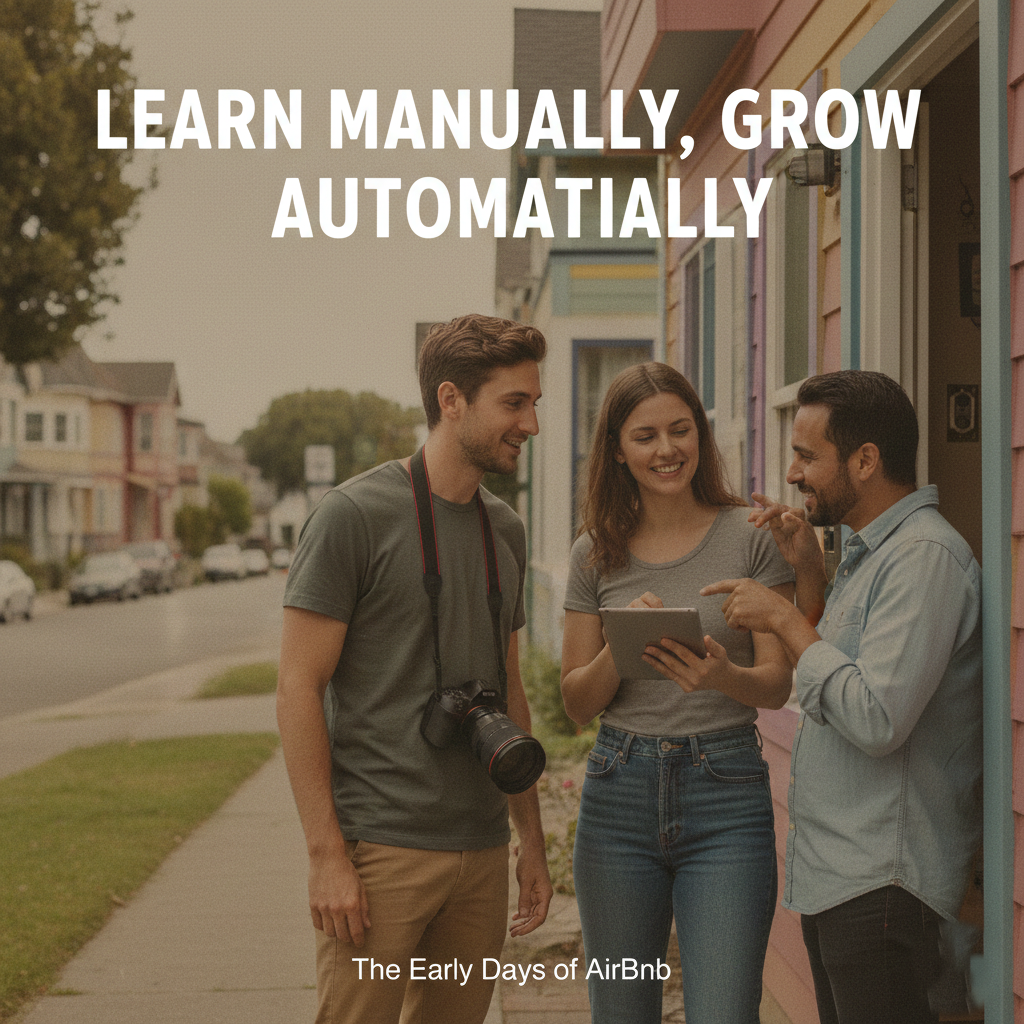
Obsessing over automation from day one is a mistake. Doing things manually allows you to get direct feedback, learn what your customers truly need, and build a foundation that then becomes worth scaling.
The Power of the Feedback Loop
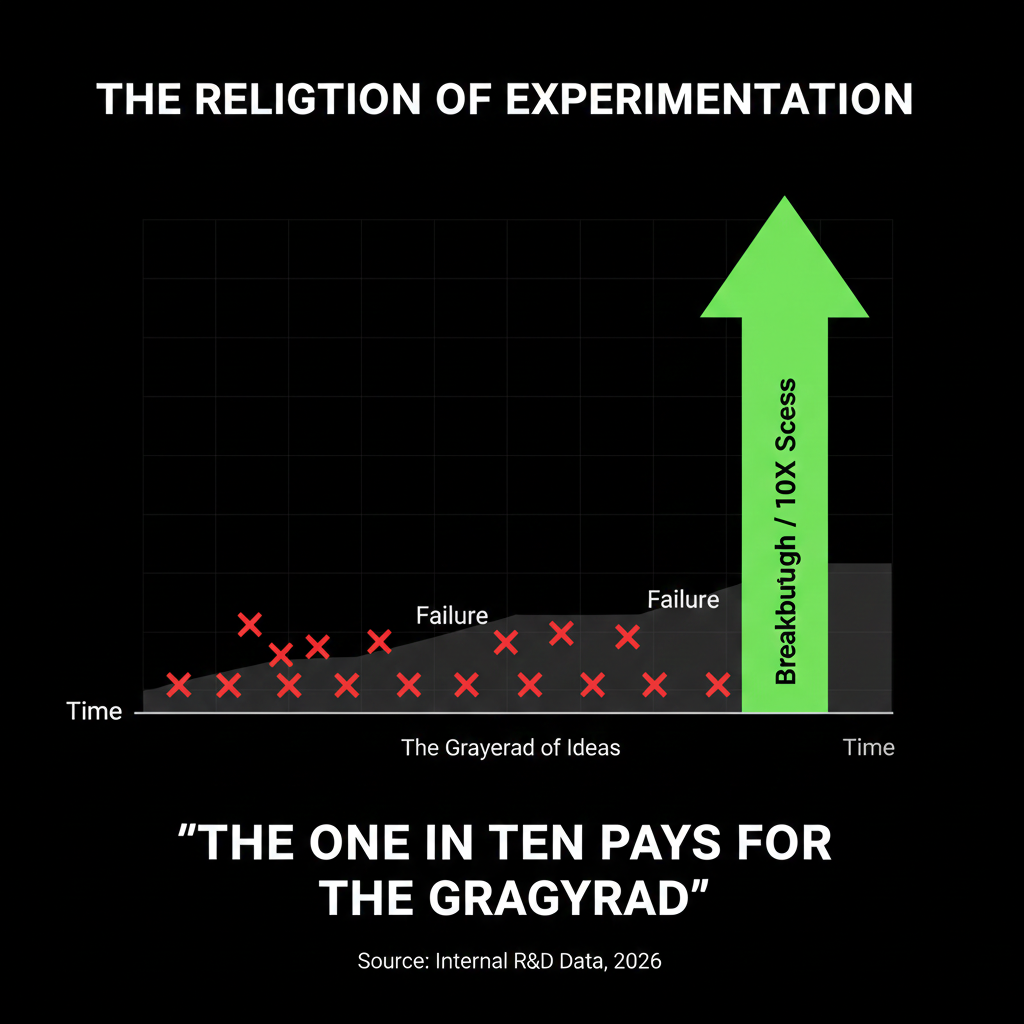
Success in the modern age requires a rate of experimentation that matches the rate of global change. To keep up, you must embrace failure as data. Companies like Amazon succeed because they are “the best place on earth to fail,” understanding that one big win—like AWS—pays for a graveyard of smaller experiments.
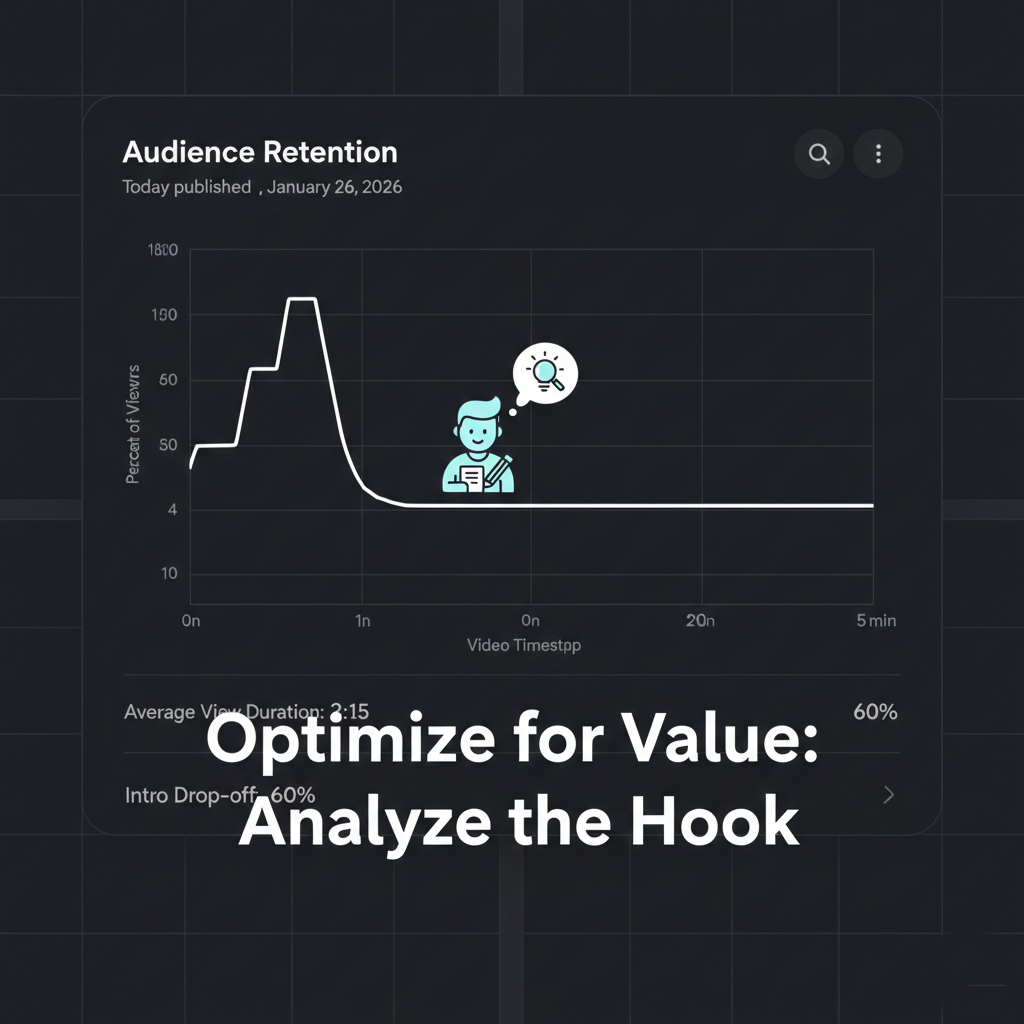
For creators and business owners alike, the most valuable tool is the feedback loop. Whether it’s analyzing YouTube retention graphs to see exactly where an audience drops off or tracking LinkedIn engagement, you must “produce, publish, pay attention, and repeat.” If you aren’t spending time in your analytics, you aren’t learning.
First Principles over Trends
When starting a new venture, avoid reasoning downward from trends. Many people start with a conclusion (“I should start a podcast”) without answering the first-principle questions:
- What do I have to say?
- Who is it for?
- Why does it matter?
Only after answering these can you decide the best platform for your message. Give yourself a “testing year” to be bad at your craft. By removing the pressure of immediate perfection, you allow yourself to try enough things to eventually find what resonates with “strangers,” not just your family and friends.













Leave a comment