


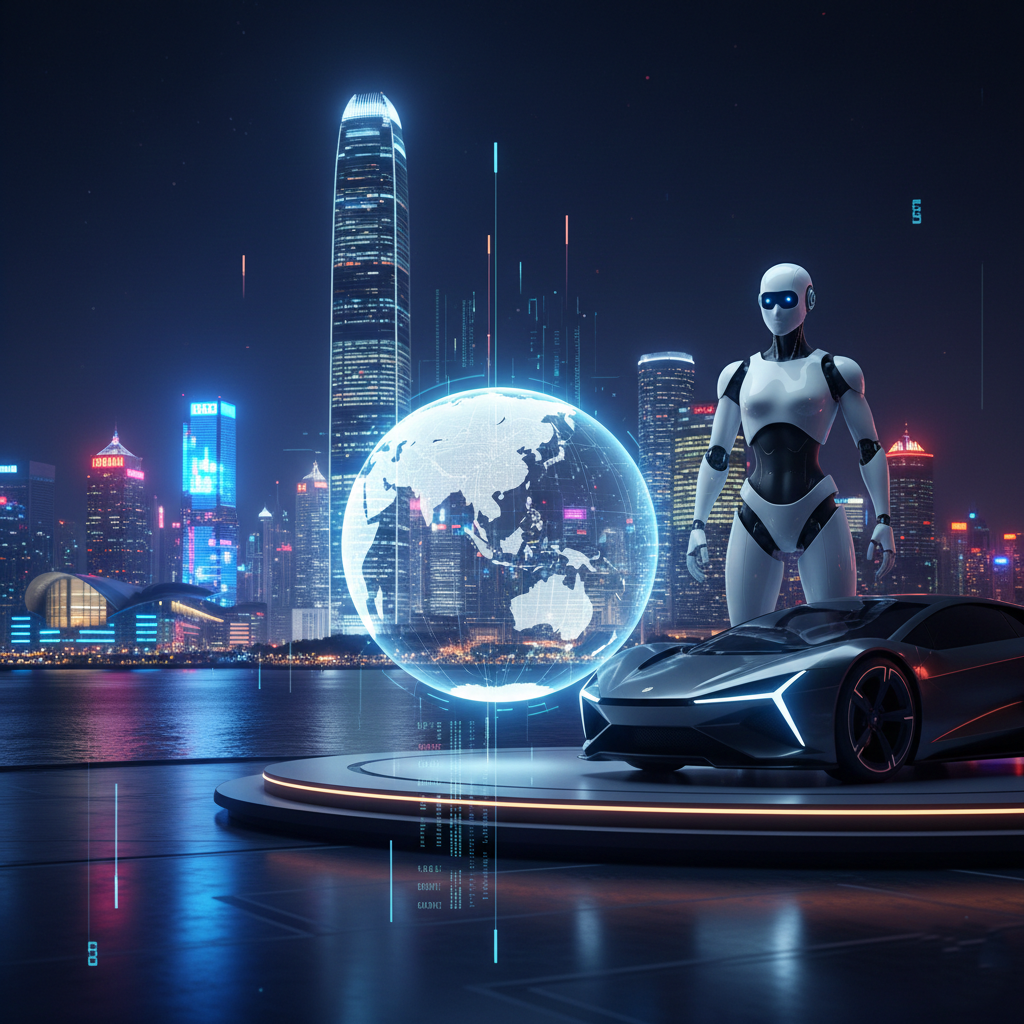
BYD: The New King of Electric Vehicles
In Shenzhen, the headquarters of BYD tells a story of rapid, unprecedented growth. Founded in 1995 as a small battery manufacturer, the company has overtaken global giants to become the world’s leading electric vehicle (EV) producer. Their success is rooted in the “Blade Battery,” a unique lithium iron phosphate design that offers superior safety and energy density.
The innovations coming out of BYD’s factories are staggering. The Yangwang U8, their luxury off-road SUV, features 360-degree tank turns and an emergency “floating mode” that allows the vehicle to navigate deep water for up to 30 minutes. Furthermore, their latest charging technology can provide two kilometers of range for every single second of charging, effectively reaching 400 kilometers in just five minutes.

The Rise of the Humanoids
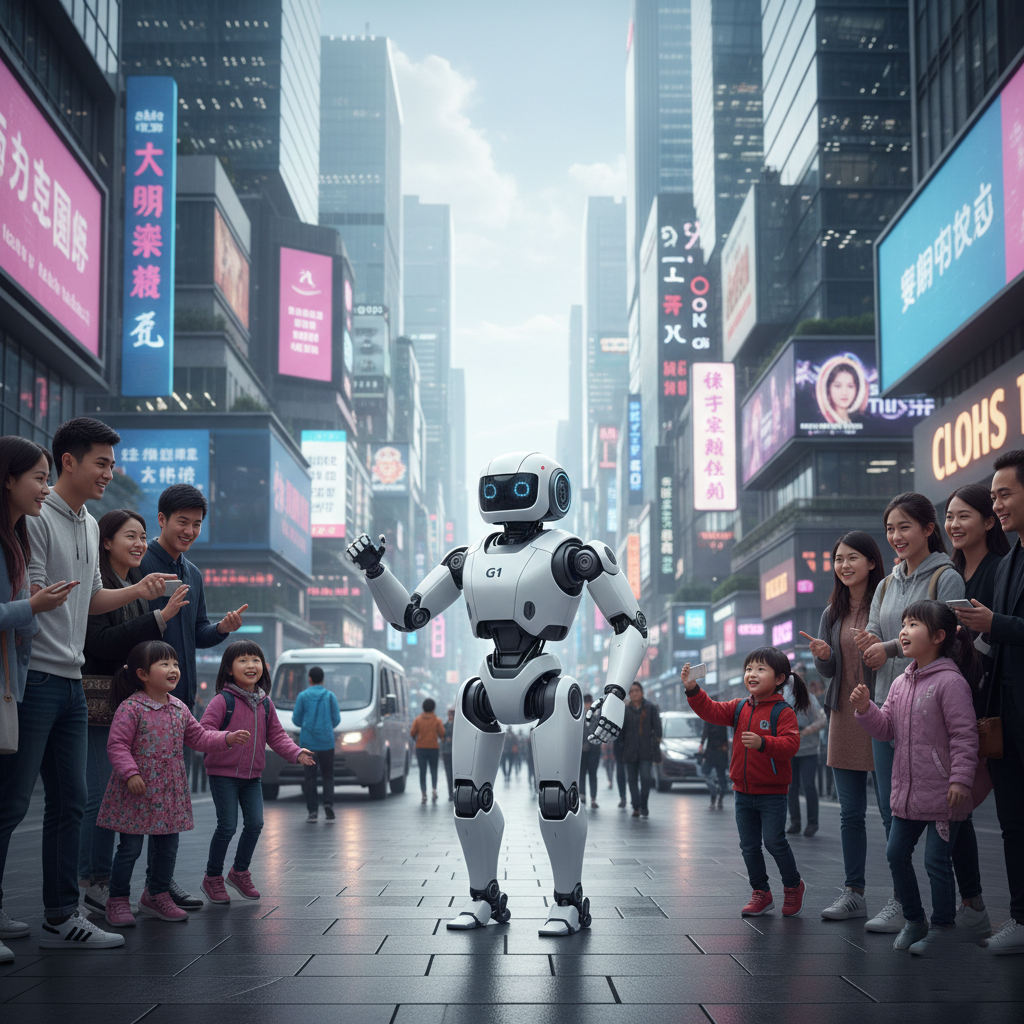
Hangzhou and Shandong have become the epicenters for a new kind of workforce: humanoid robots. Companies like Unitree are producing robots like the G1, which stands at a modest height but possesses incredible flexibility. These robots can perform complex joint rotations, recover from falls, and are priced competitively for universities and research labs to accelerate the development of AI-driven assistance.
In the laboratories of EX Robots, the focus is on hyper-realism. These robots feature silicone skin and facial actuators that can mimic human expressions with 98% accuracy. Designed for roles in healthcare, education, and hospitality, these “human” robots represent a future where AI isn’t just a voice on a screen, but a physical presence capable of providing care and empathy.
Living in a Smart City: Drones and Robotaxis
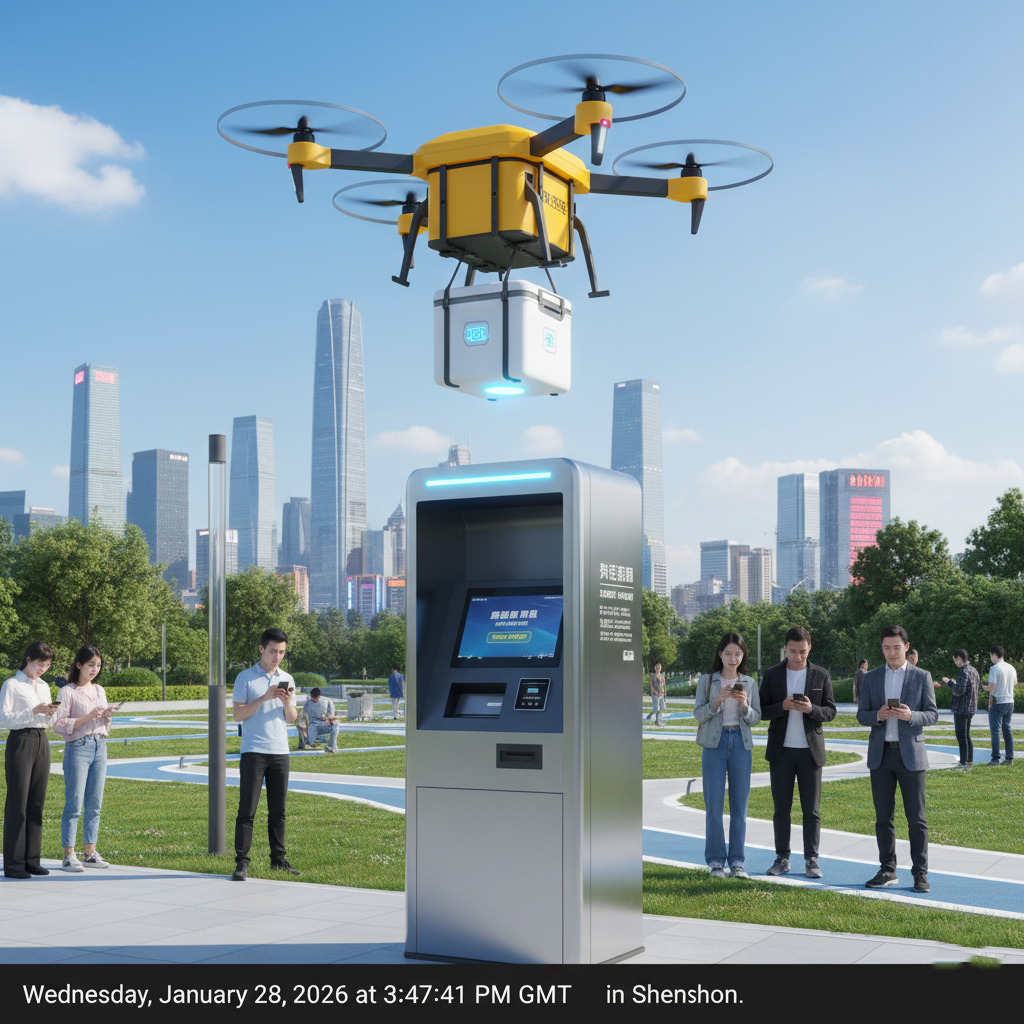
The infrastructure of Shenzhen has evolved into a seamless digital ecosystem. Residents can now order coffee or lunch via apps that deploy delivery drones directly to their location in public parks or plazas. This drone network reduces traffic congestion and ensures rapid delivery times.
Transportation within the city is also being automated. Robotaxis operate without human drivers, navigated by sophisticated lidar and AI systems. Passengers simply request a ride through their smartphones, and the car navigates through complex urban traffic autonomously. This level of automation extends into the hospitality sector, where delivery robots navigate hotel elevators and hallways to bring room service directly to guests.
Seamless Biometrics and Fast Travel
The “cashless” society in China has moved beyond the QR code. In many smart cities, residents can now pay for groceries or transit by simply scanning the palm of their hand. By linking biometric data to platforms like WeChat, the need for physical wallets or even smartphones is beginning to disappear.
Connecting these mega-cities is the Maglev train in Shanghai, which currently holds the record for the fastest commercial train in the world. Utilizing magnetic levitation to eliminate friction, the train can reach speeds of 431 kilometers per hour, making the journey from the airport to the city center a matter of minutes.
A New Era of Innovation
The technological wonders of China in 2026 are a testament to a strategic shift toward high-tech self-reliance. By fostering an environment where drones, robots, and AI are integrated into daily life, China is providing a glimpse into what the cities of the future might look like for the rest of the world.














Leave a comment