


The Living God and the General: Why Emperor Hirohito Survived 1945
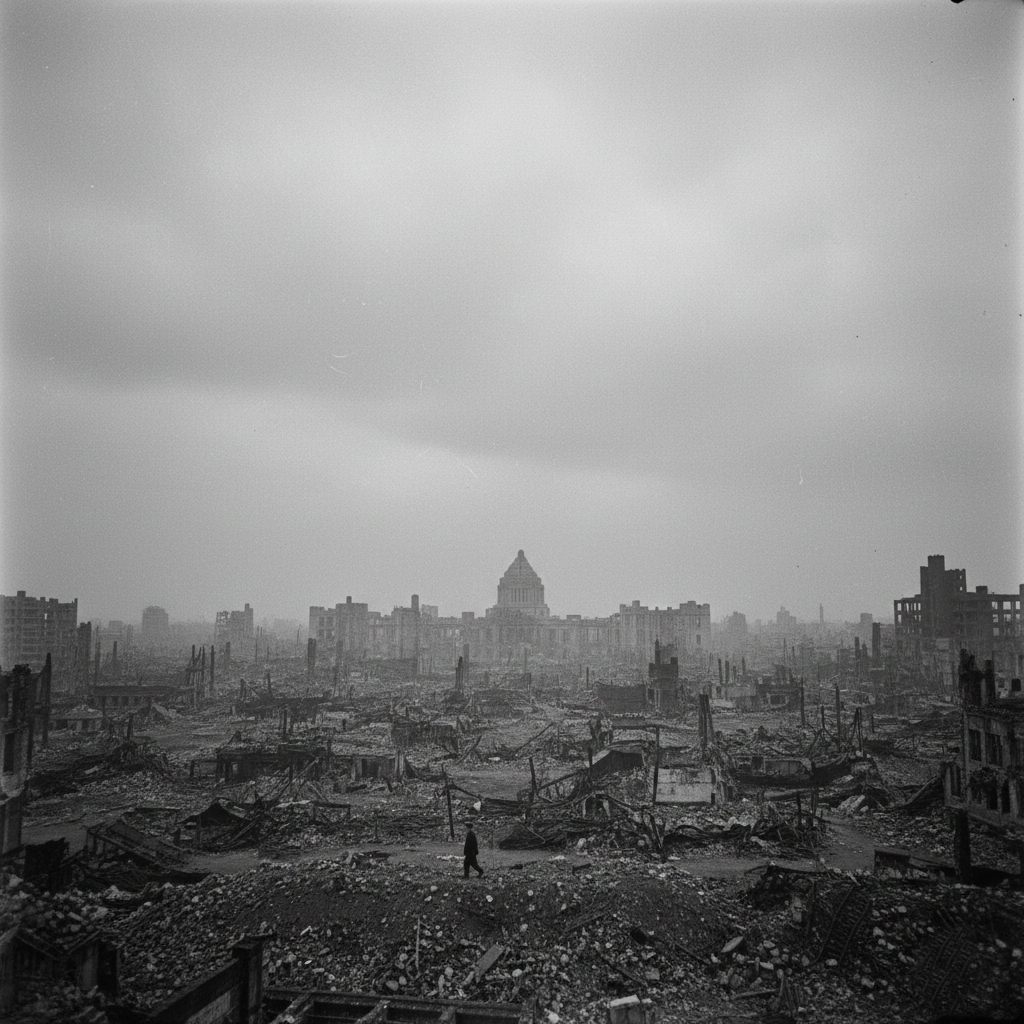
In the summer of 1945, the Empire of Japan was a shell of its former self. Its navy was gone, its cities were ash, and its people were starving. In the heart of Tokyo, hidden within the Imperial Palace, sat Emperor Hirohito—a figure revered as a living god by his subjects and viewed as a supreme war criminal by the Allied forces.
When the war finally ended, the world expected the Emperor to face the same fate as the Nazi leaders at Nuremberg or his own generals like Hideki Tojo. Yet, Hirohito not only escaped execution but remained on the throne for another 44 years. The story of his survival is one of the most remarkable political gambles of the 20th century.
A Nation in Ruins
By August 1945, Japan faced total annihilation. The firebombing of Tokyo had already killed over 100,000 people, and the atomic bombings of Hiroshima and Nagasaki had introduced a level of destruction previously unimaginable. Despite this, a fierce debate raged within the Japanese government.
The military hardliners prepared for a “suicidal defense” of the homeland, planning to arm civilians with bamboo spears. It was only when Hirohito broke centuries of tradition and spoke directly to his ministers that the tide turned. He urged them to “endure the unendurable” for the sake of the nation’s survival.
The Voice of a God
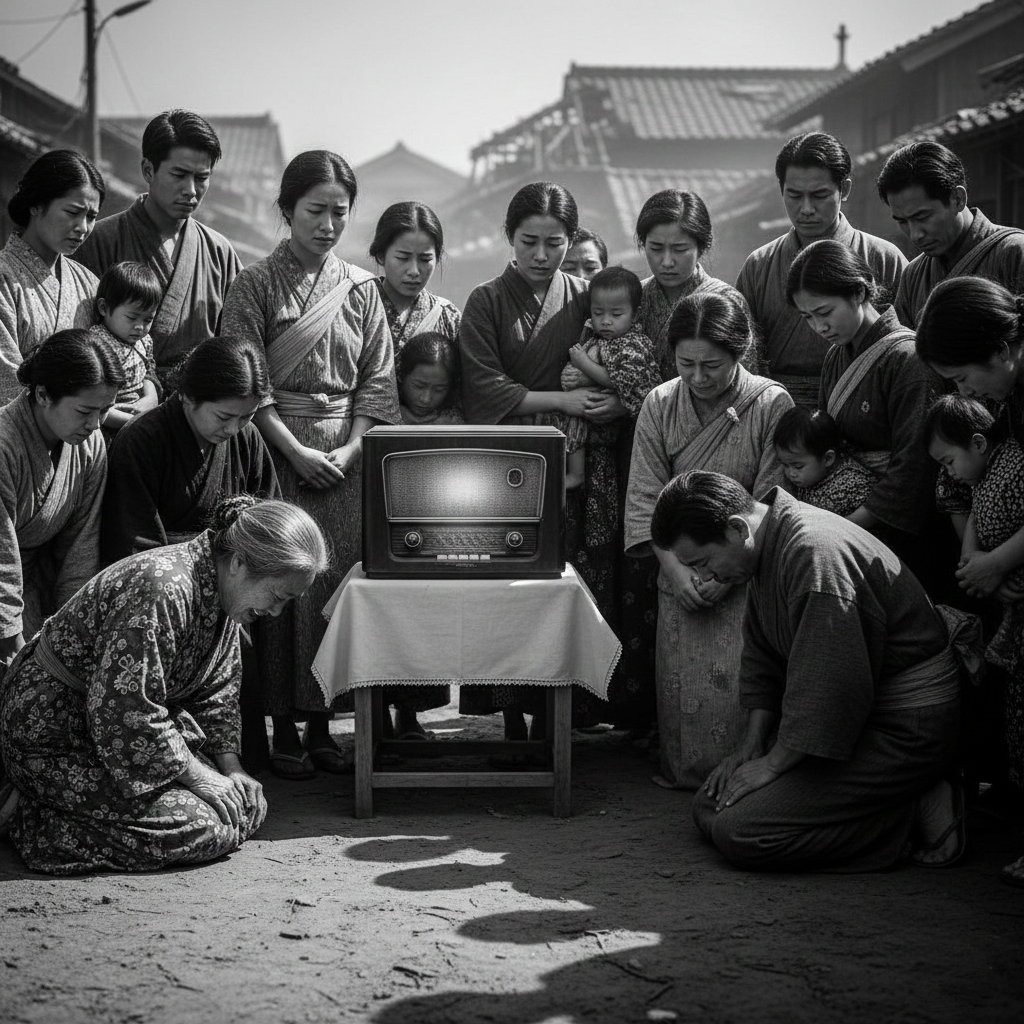
On August 15, 1945, the Japanese people heard something they had never heard before: the voice of their Emperor. In an archaic, formal dialect, Hirohito announced Japan’s surrender. While the broadcast ended the war, it also marked the beginning of an uncertain future for the Imperial family.
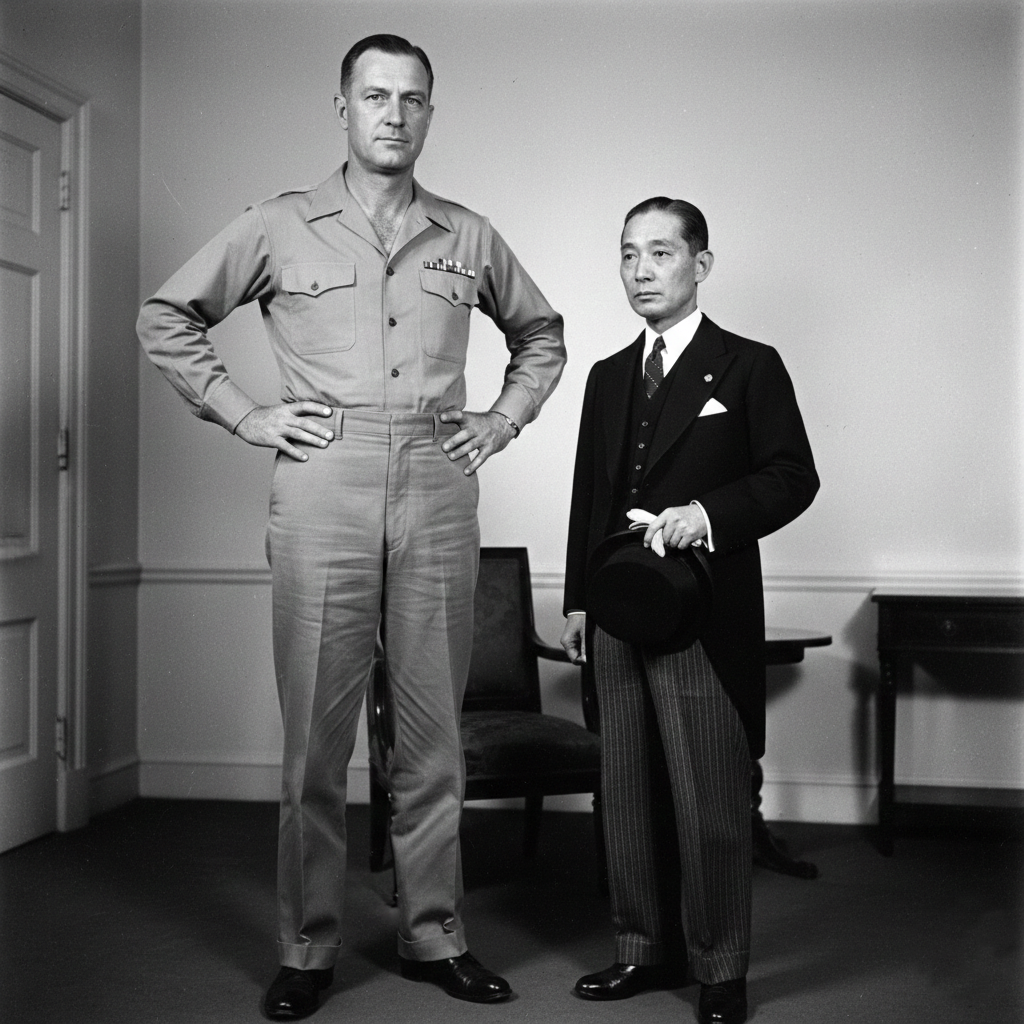
As American occupation forces under General Douglas MacArthur arrived, the primary question for the Allies was what to do with the man in whose name the war had been waged.
MacArthur’s Pragmatic Choice
General Douglas MacArthur, the Supreme Commander for the Allied Powers, was a man of immense ego and sharp political instinct. Many Allied nations, including Britain and Australia, demanded Hirohito be tried and executed. However, MacArthur disagreed.
His reasoning was purely pragmatic. MacArthur believed that if the Emperor were executed or even removed from the throne, the social fabric of Japan would disintegrate. He feared a massive insurgent resistance and a total collapse into chaos that would require millions of American troops to manage. By preserving the throne, MacArthur could use the Emperor as a symbol of continuity, effectively “ruling through him” to implement democratic reforms.
From God to Mortal
To stay on the throne, Hirohito had to undergo a radical transformation. In January 1946, he issued the Humanity Declaration, renouncing his status as a living god. The “divine continuity” of 2,600 years was officially severed.
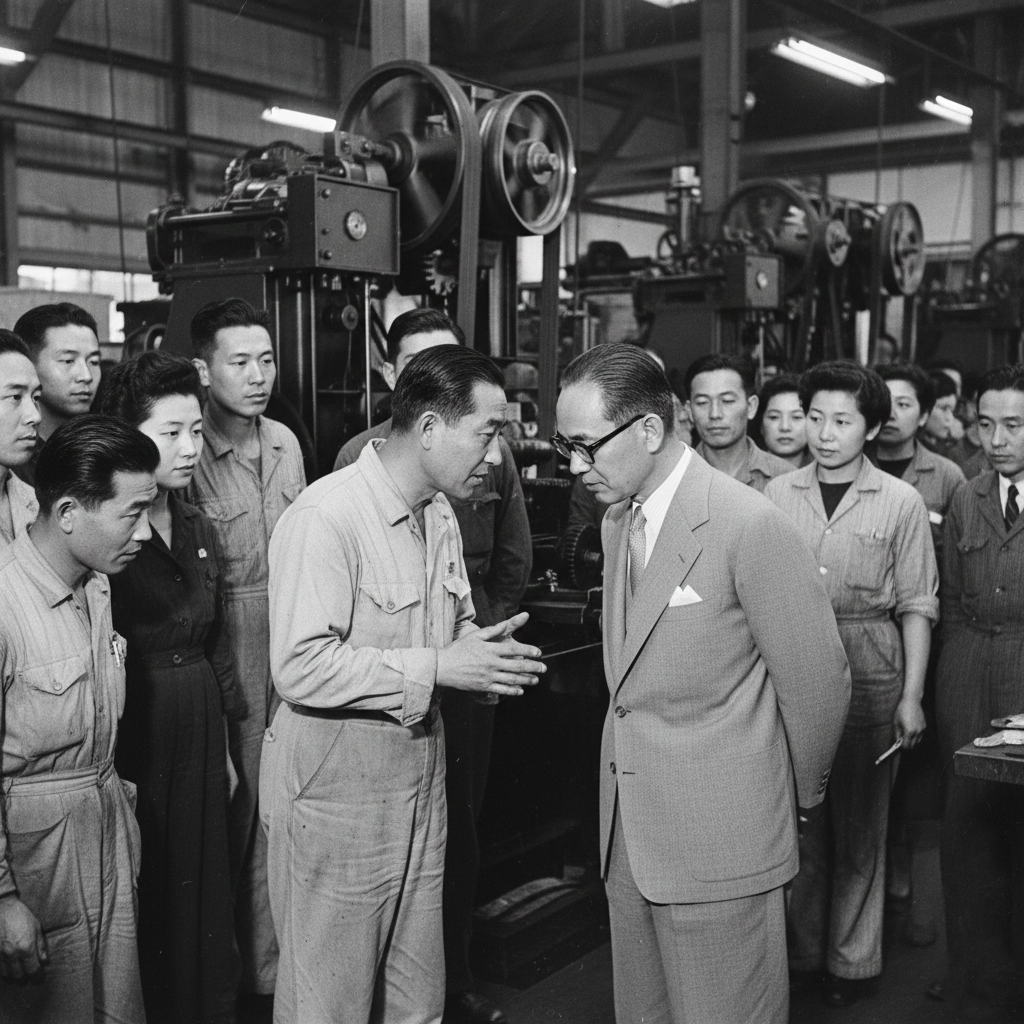
He was reimagined as a constitutional monarch, much like the kings and queens of Europe. He traded his military uniforms for simple suits and began touring the country. He visited factories, farms, and hospitals, shaking hands and talking to ordinary citizens who had previously only known him as a distant myth. This “humanizing” project was essential for his survival in the new democratic order.
The Mystery of Responsibility
The question of Hirohito’s personal responsibility for wartime atrocities remains one of history’s great debates. During the International Military Tribunal for the Far East, high-ranking generals were executed while the Emperor was never even charged.
Defenders argue he was a powerless puppet of the military, trapped by his advisors. Critics point to evidence that he was kept well-informed of military operations and had the power to intervene if he chose. The “truth” likely sits in the middle: he was a cautious man who prioritized the preservation of the Imperial line above all else.
Legacy of the Showa Era
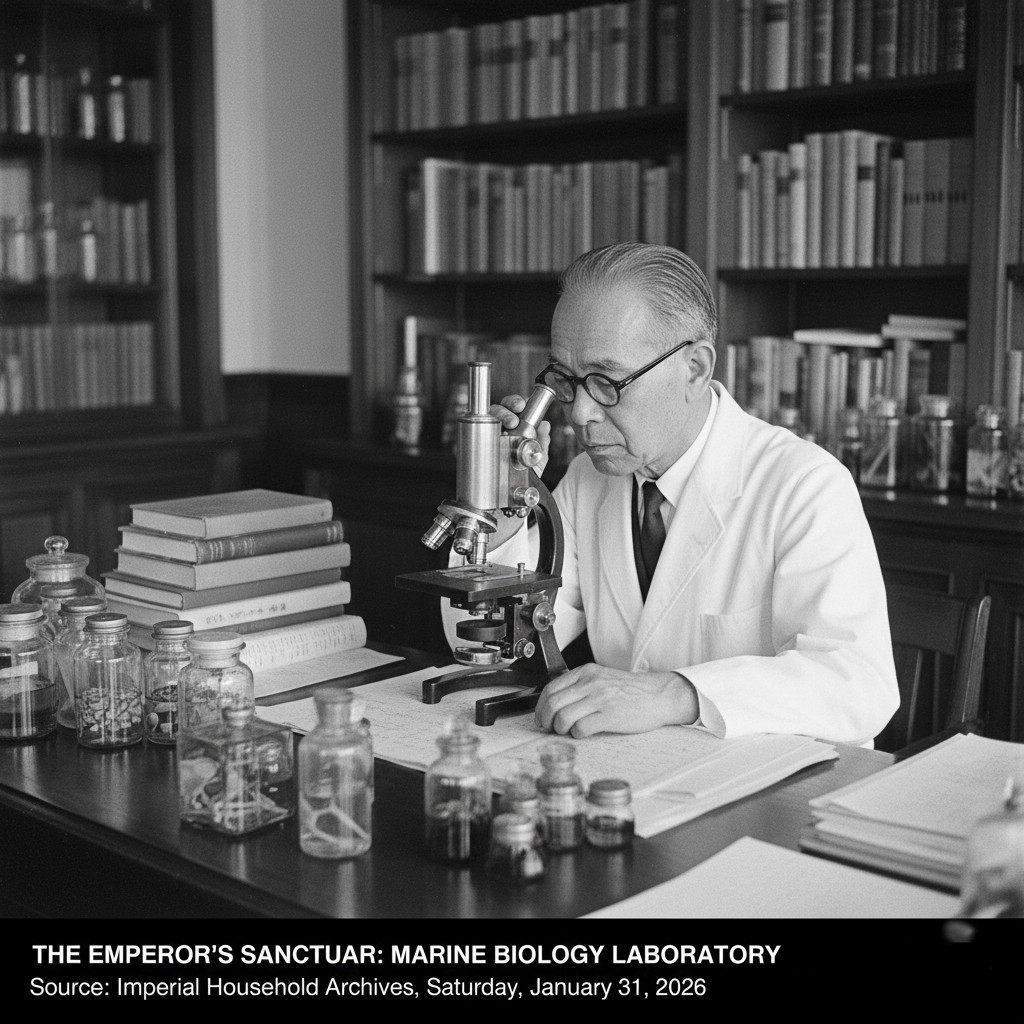
Hirohito reigned through the “Showa” era until his death in 1989. He presided over Japan’s miraculous transformation from a broken, defeated nation into a global economic powerhouse. In his later years, he found solace in his scholarly pursuits, becoming a respected expert in marine biology.
The decision not to execute Hirohito remains controversial, particularly in the Asian nations that suffered under Japanese occupation. However, from the perspective of 1945, it was the decision that arguably prevented a prolonged and bloody occupation, allowing Japan to rebuild as a modern, peaceful democracy.











Leave a comment