



The Mighty 8th: A Journey Through the History of Barksdale Air Force Base
Barksdale Air Force Base is more than just a military installation; it is a landmark of American foresight, architectural beauty, and overwhelming strategic power. To understand Barksdale today, we must look back at the layers of history that built its foundation.
Ancient Roots and the Plantation Era
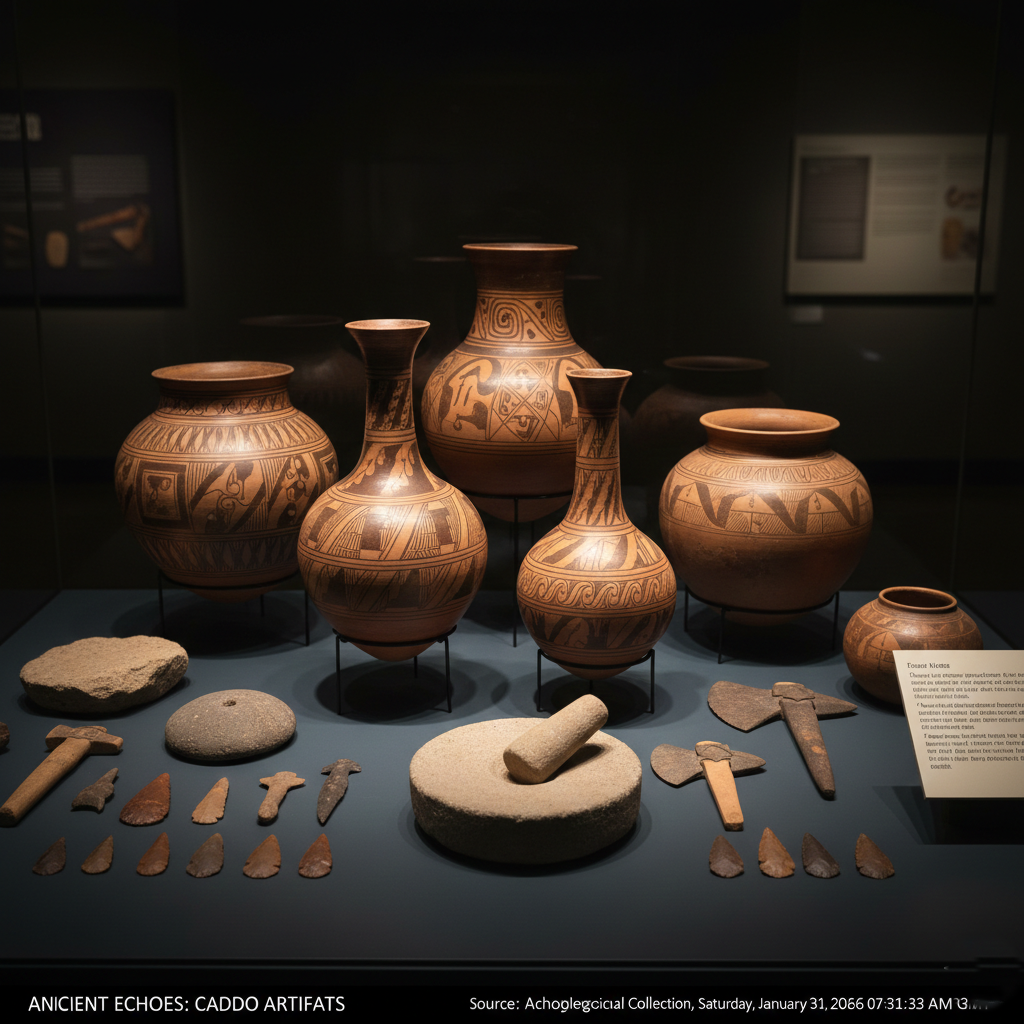
Long before the roar of jet engines filled the skies, the Caddo Native American tribe called this region home. An advanced group of farmers and hunters, the Caddo people thrived in the Red River Valley. Archaeological remains of their settlements and pottery are still preserved on base grounds today.
By the mid-19th century, the land transitioned into large cotton plantations. These estates, which relied on the labor of enslaved Africans, dominated the landscape until the Civil War. In the decades that followed, legal battles and shifting economies eventually cleared the way for a new frontier: military aviation.
Civic Ambition and the Birth of Barksdale Field
In the early 1920s, local leaders in Shreveport envisioned the region as a hub for the growing U.S. Army Air Service. Spearheaded by Conway Allen, a tireless advocate and reserve officer, a campaign was launched to bring an airfield to Bossier Parish.
Competing against 80 other cities, Shreveport won the bid by offering a massive amount of land. Through a $1.65 million municipal bond, the city assembled over 128 tracts of land. On November 18, 1930, the U.S. War Department officially accepted the site, and construction began in earnest.
Architectural Heritage: A “Village” for Airmen
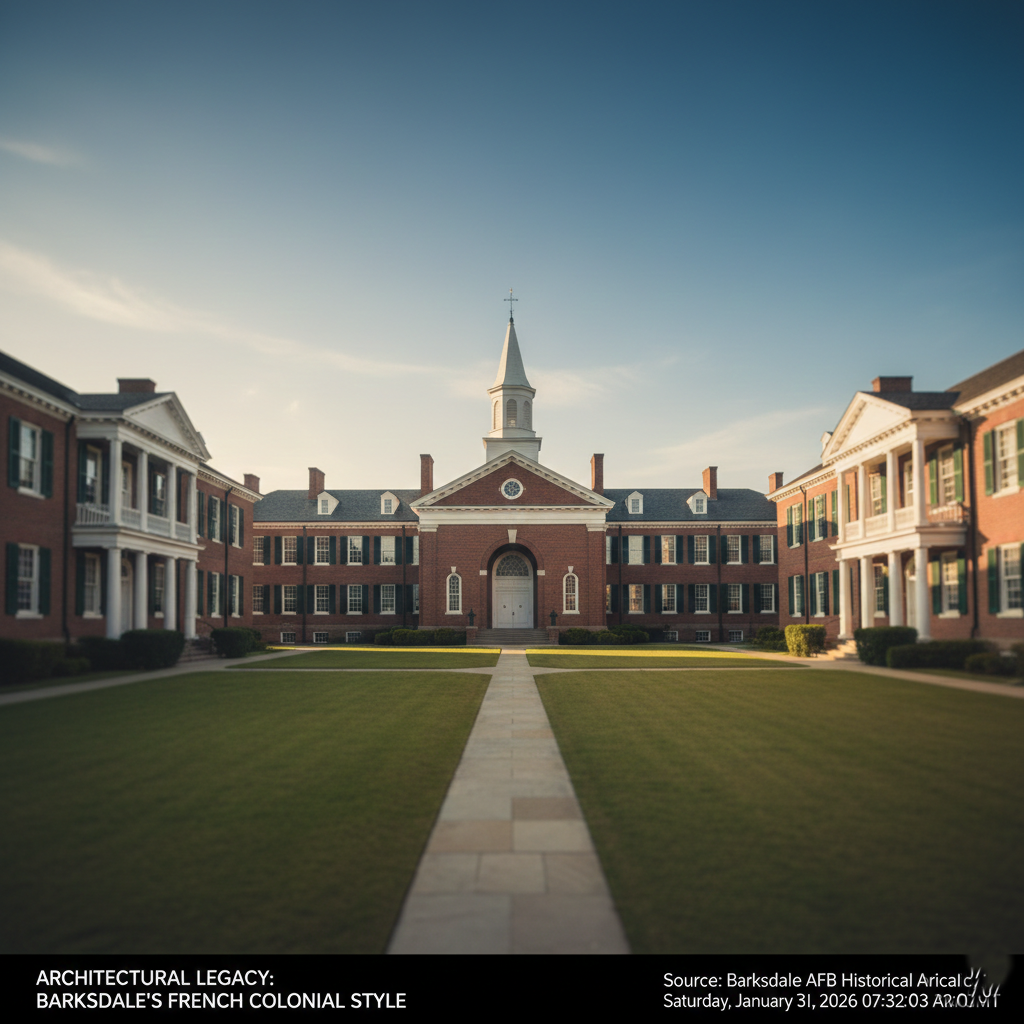
Unlike the utilitarian design of many modern bases, Barksdale was built with an eye for beauty. Architect Captain George E. Lamb drew inspiration from French Colonial and Beaux-Arts designs. He created a symmetrical, radial layout that blended barracks, officer quarters, and support facilities into a picturesque, village-like environment.
Dedicated on February 2, 1933, the base was named in honor of Lieutenant Eugene Hoy Barksdale, a heroic World War I aviator who lost his life during a flight test in 1926.
From World War II to the Nuclear Age
During World War II, Barksdale became a vital training ground. It hosted massive military maneuvers observed by giants like George C. Marshall and Dwight D. Eisenhower. Bomber crews trained here would go on to participate in some of the war’s most famous missions, including the Doolittle Raid on Tokyo.
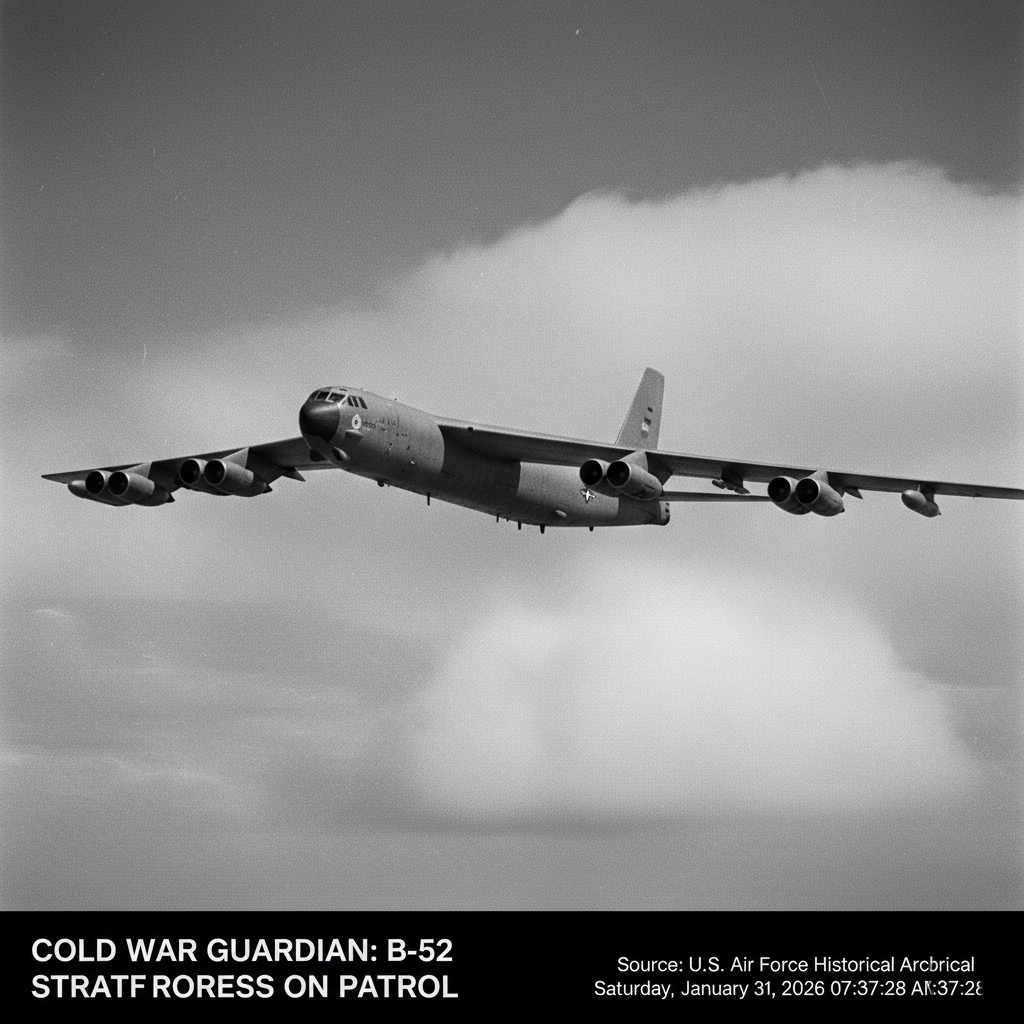
The onset of the Cold War shifted Barksdale’s mission toward strategic nuclear deterrence. In 1948, it was officially renamed Barksdale Air Force Base. It soon became the headquarters for the Second Air Force and later the Eighth Air Force—the “Mighty 8th.” Throughout the 1950s and 60s, Barksdale was synonymous with the B-52 Stratofortress, as crews stood on continuous 24-hour alert, ready to launch at a moment’s notice.
A Refuge in Crisis: September 11, 2001
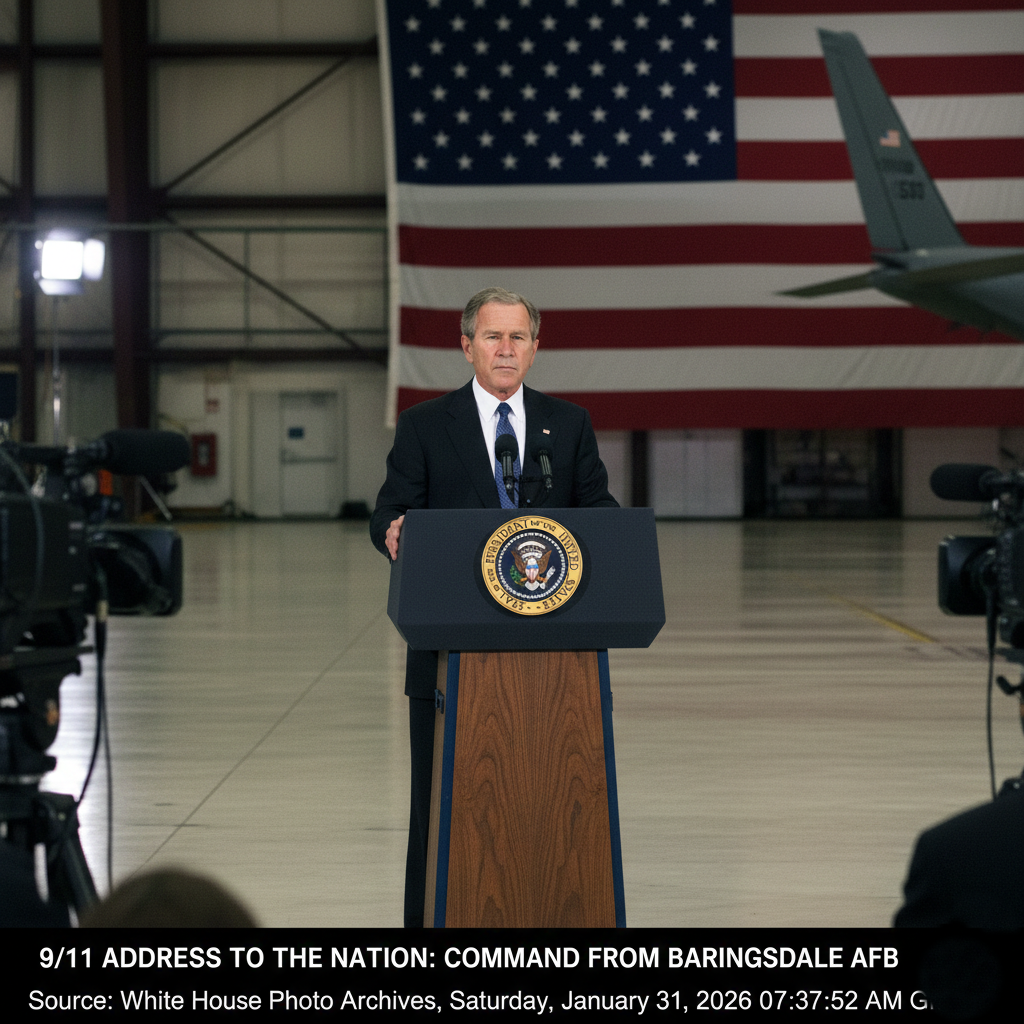
Barksdale’s secure location and strategic assets were put to the test on the morning of September 11, 2001. After the terrorist attacks, Air Force One, carrying President George W. Bush, landed at Barksdale. It was from this base that the President first addressed the nation, vowing a united American response to the tragedy.
Barksdale Today: A Global Powerhouse
Today, Barksdale Air Force Base is the headquarters of Air Force Global Strike Command. It oversees America’s long-range bomber fleet and plays a central role in global deterrence. With an economic impact exceeding $1 billion and a workforce of over 16,000 personnel, the base remains a cornerstone of the Shreveport-Bossier community.
From its beginnings in southern cotton fields to its role as a global nuclear shield, Barksdale’s story is one of constant transformation and unwavering service to national security.













Leave a comment