


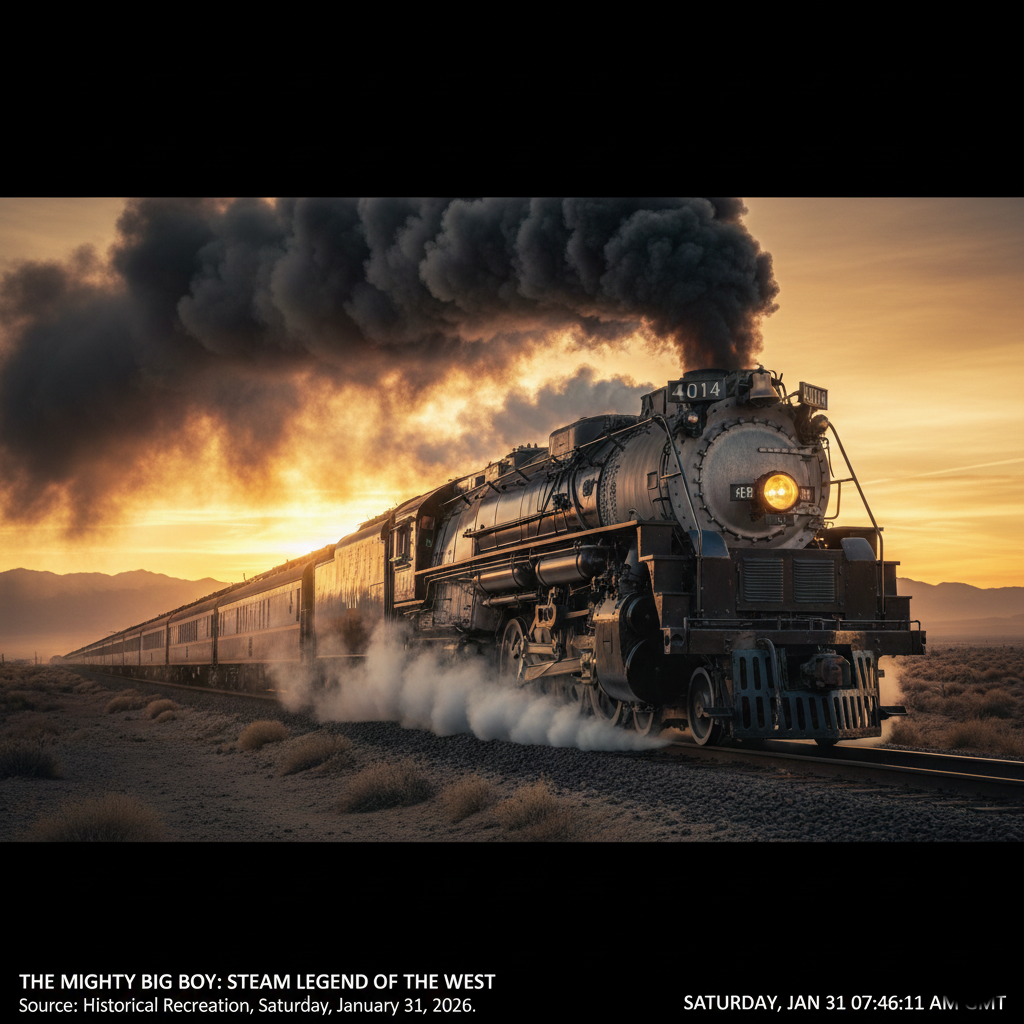
The Evolution of Modern Trains: From Streamlined Giants to High-Speed Rail
Railways have come a long way since the early days of Stevenson’s Rocket. While the 19th century laid the tracks, the 20th century transformed the train from a noisy workhorse into a symbol of speed, luxury, and technological prowess. This journey through the modern era reveals how trains survived the rise of the automobile and adapted to a changing world.
The Dawn of a New Century: Bigger and Stronger
As the 1900s began, the demand for power skyrocketed. Engineers moved away from the smaller designs of the Victorian era, seeking locomotives with more tractive effort and “thicker thighs”—massive driving wheels capable of pulling heavier loads over longer distances.
While steam still reigned supreme, a quiet revolution began in 1912. Germany and Switzerland collaborated to create the world’s first diesel locomotive. Though it would take decades for diesel to overtake steam, this partnership marked the beginning of a fundamental shift in how we power our world.
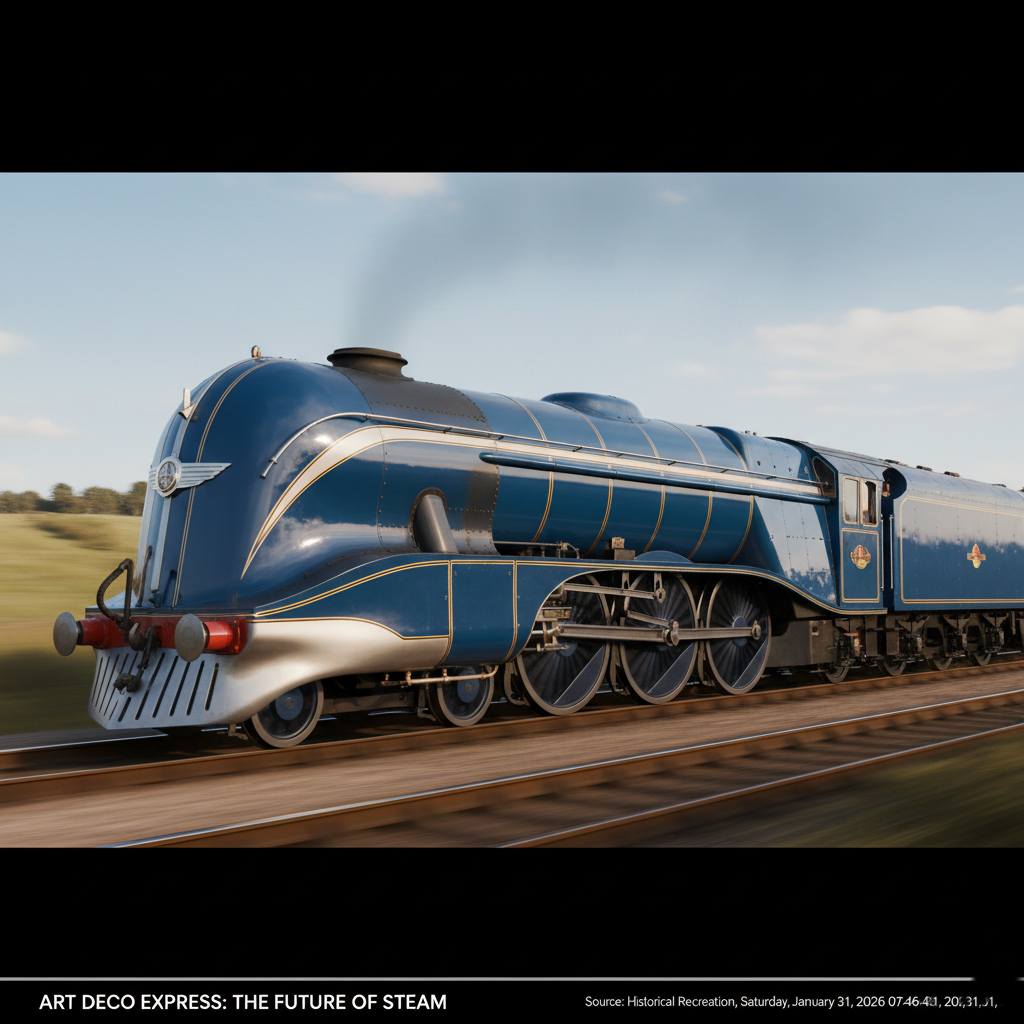
The Art Deco Influence: Streamlining for the Future
The 1920s and 30s brought a new aesthetic to the rails. Inspired by the Art Deco movement, engineers began fitting old steam engines with sleek, streamlined shells. These “shrouded” locomotives weren’t just about speed; they were a marketing tool. As the Ford Model T and the rise of personal cars began to threaten railway passenger numbers, these futuristic designs were intended to make train travel feel modern, exciting, and glamorous.
The Big Four: Consolidating British Rail
Across the Atlantic, Britain faced a different challenge. By 1923, the country was home to over 120 individual railway companies, creating a logistical nightmare. To streamline operations, the government intervened, grouping these numerous entities into the “Big Four”:
- The Great Western Railway (GWR)
- The London Midland and Scottish Railway (LMS)
- The London and North Eastern Railway (LNER)
- The Southern Railway
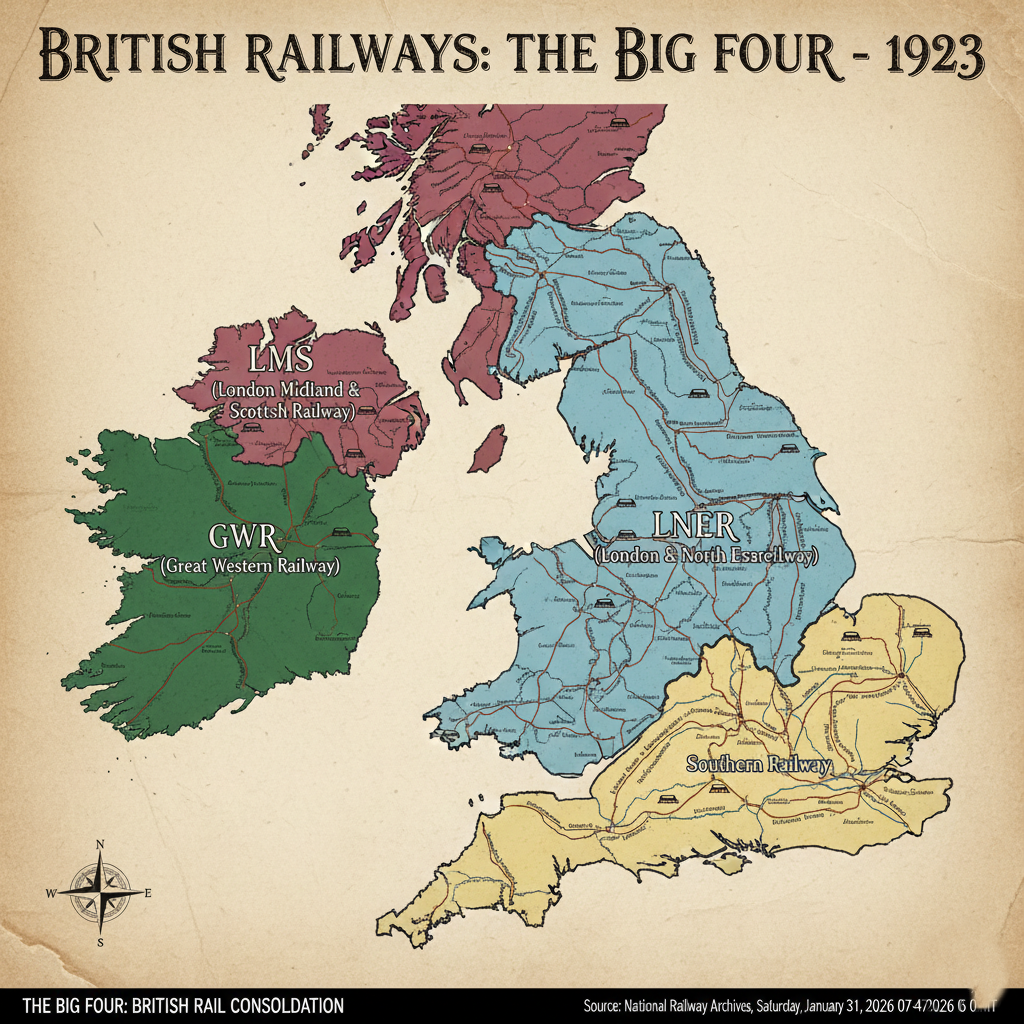
This consolidation allowed for better resource management and laid the groundwork for the eventual nationalization of the British rail network.
Railways in the Shadow of War
The mid-20th century saw trains drafted into the service of war. During World War I and II, the United States Railroad Administration (USRA) focused on standardized, easy-to-build steam designs to maximize efficiency for troop and weapon transport.
However, this era also holds a somber place in railway history. Trains were used as the primary tool for the mass deportation and transport of people during the Holocaust. In battle, they served as mobile artillery platforms and vital supply lines, often becoming the primary targets for aerial bombardment.
The Rise of Preservation: A Story for Children
Post-war, the decline of steam led to an unexpected cultural phenomenon. In 1945, a father named Wilbert Awdry began telling stories about trains with faces to his sick son, Christopher. These stories evolved into The Railway Series, and eventually, the global brand Thomas & Friends.
Beyond children’s entertainment, Awdry’s love for trains had real-world consequences. His writing helped drum up public support for the Talyllyn Railway in Wales, which became the world’s first preserved railway in the 1950s, sparking a global movement to save historic steam engines from the scrap heap.
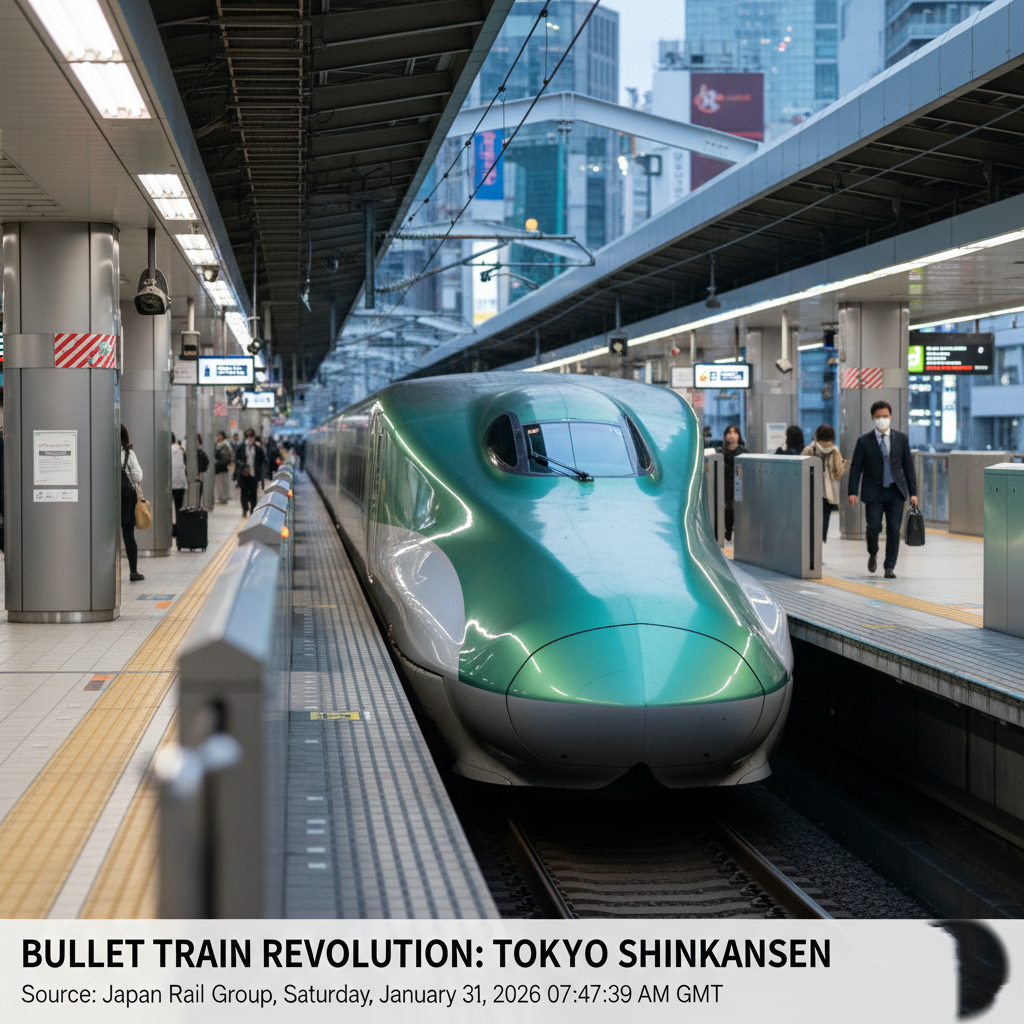
The Bullet Train Revolution
By the 1960s, the “creeping dread” of the automobile was reaching a fever pitch. In response, Japan revolutionized passenger travel in 1964 with the introduction of the Shinkansen, or “Bullet Train.” Capable of speeds that seemed impossible at the time, the Shinkansen proved that rail could still compete with cars and even airplanes for medium-distance travel. This success triggered a global race to develop high-speed rail networks that continues today.
The Return of the Big Boy
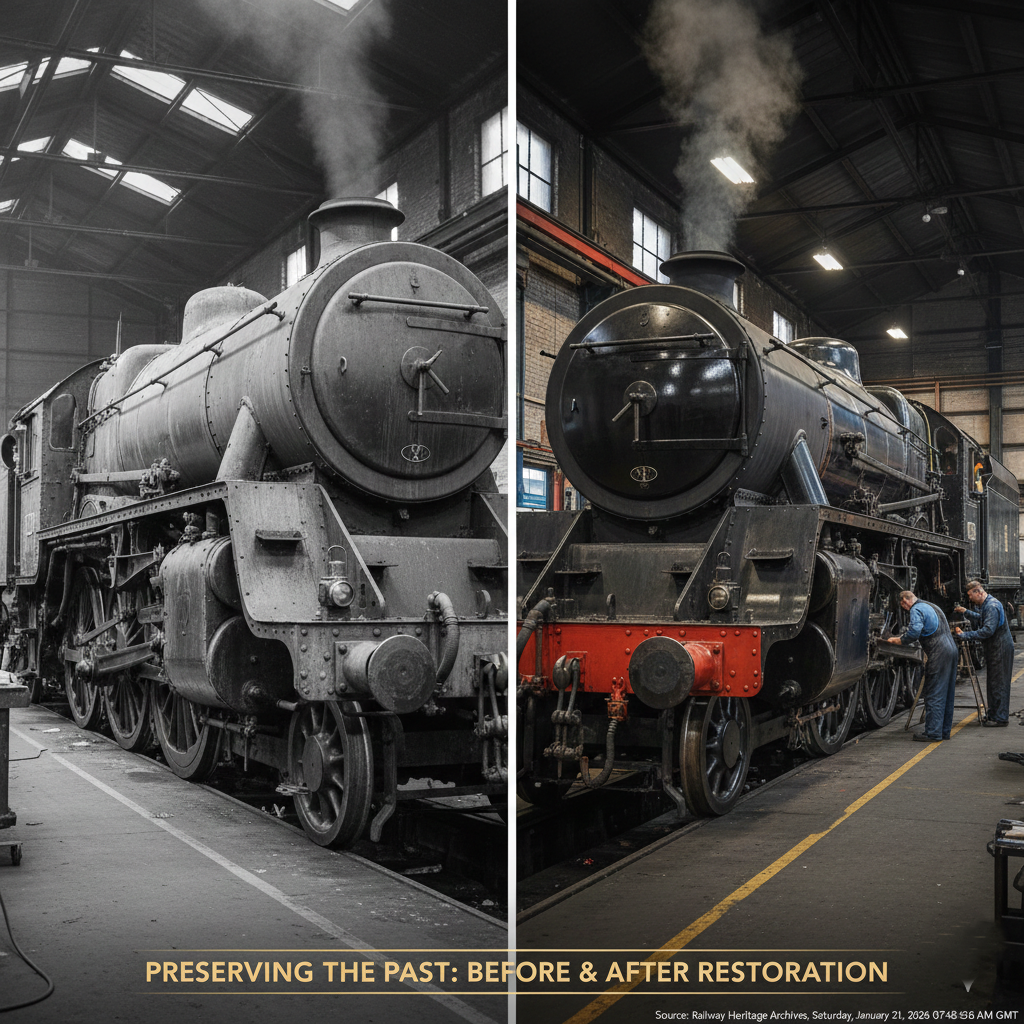
In a touching tribute to railway history, the Union Pacific Railroad undertook a massive restoration project between 2017 and 2019. They pulled a decrepit “Big Boy” steam locomotive—the largest and most powerful of its kind—from storage and painstakingly rebuilt it. Today, the Big Boy stands as a living monument to the era of steam, a reminder of the raw power and engineering genius that built our modern world.
The Tracks Ahead
From the first diesel engines to the high-speed maglevs currently in development, the evolution of the train is far from over. Despite the dominance of cars and planes, the railway remains one of the most efficient and sustainable ways to move people and goods. As we look to the future, the lessons of the past—innovation, standardization, and a touch of showmanship—will continue to guide the way.










Leave a comment