


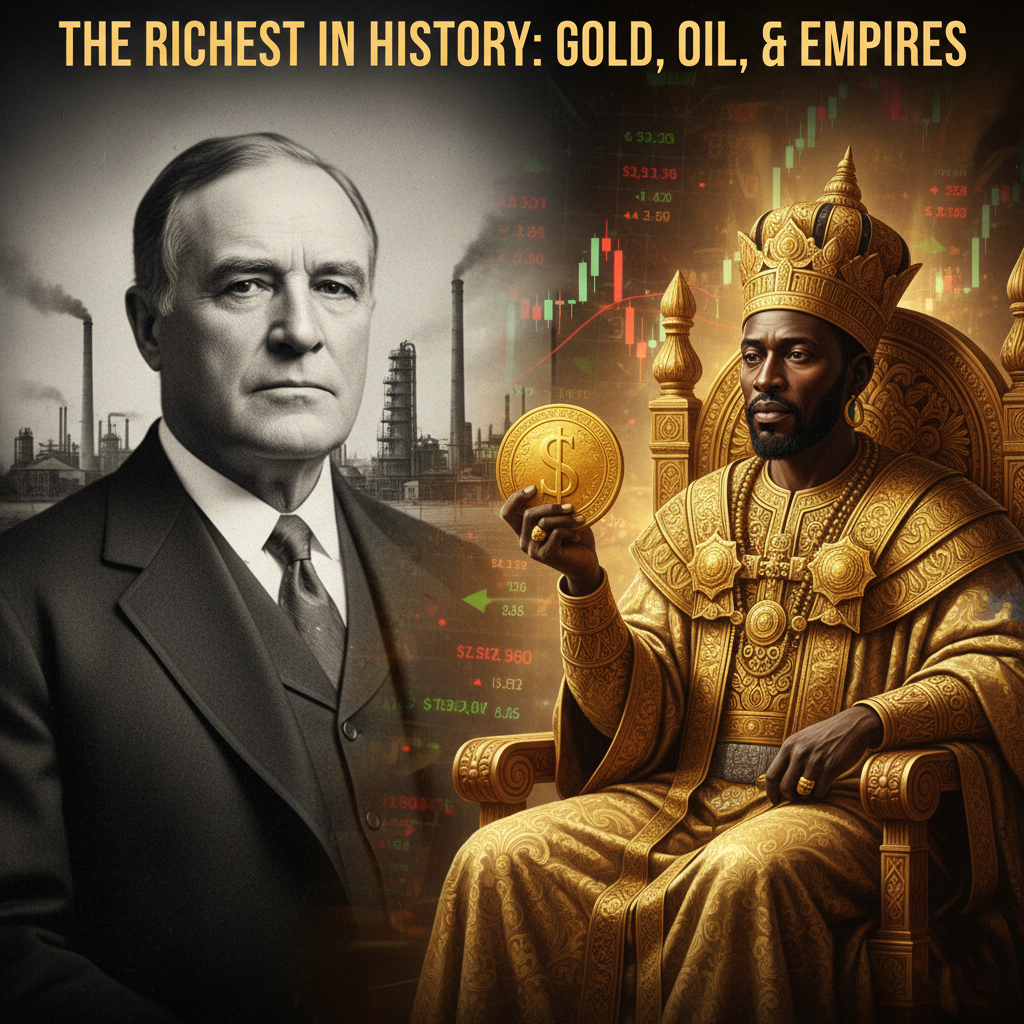
The Quest for the Richest Human Ever: Comparing Empires and Assets
When we think of wealth today, names like Elon Musk or Jeff Bezos immediately come to mind. However, when we look back across thousands of years, we find individuals who controlled entire nations, absolute monopolies, and more gold than most modern countries hold in their reserves. To find the richest person in history, we must compare different types of wealth: cash, land, and absolute power.
The King of Cash: Pablo Escobar
In the late 1980s, the energy supplement industry (as he called it) allowed Pablo Escobar to rake in $420 million a week. While his paper net worth was estimated at $80 billion after inflation, his wealth was unique because it was almost entirely in physical cash. He famously spent $1,000 a week just on rubber bands to hold his bills together and lost an estimated $2 billion a year to rats and water damage. In terms of pure, liquid currency, Escobar was in a league of his own.
The Power of Control: Joseph Stalin
Joseph Stalin represents a different kind of wealth. On paper, he made a modest salary and had few personal possessions. However, as the absolute ruler of the Soviet Union, he had total control over an economy that would today be worth $10 trillion. He didn’t need a bank account because he owned the state. His “wealth” was measured in absolute authority—to tell a joke against him was to risk your life.

Monopolizing the Future: John D. Rockefeller
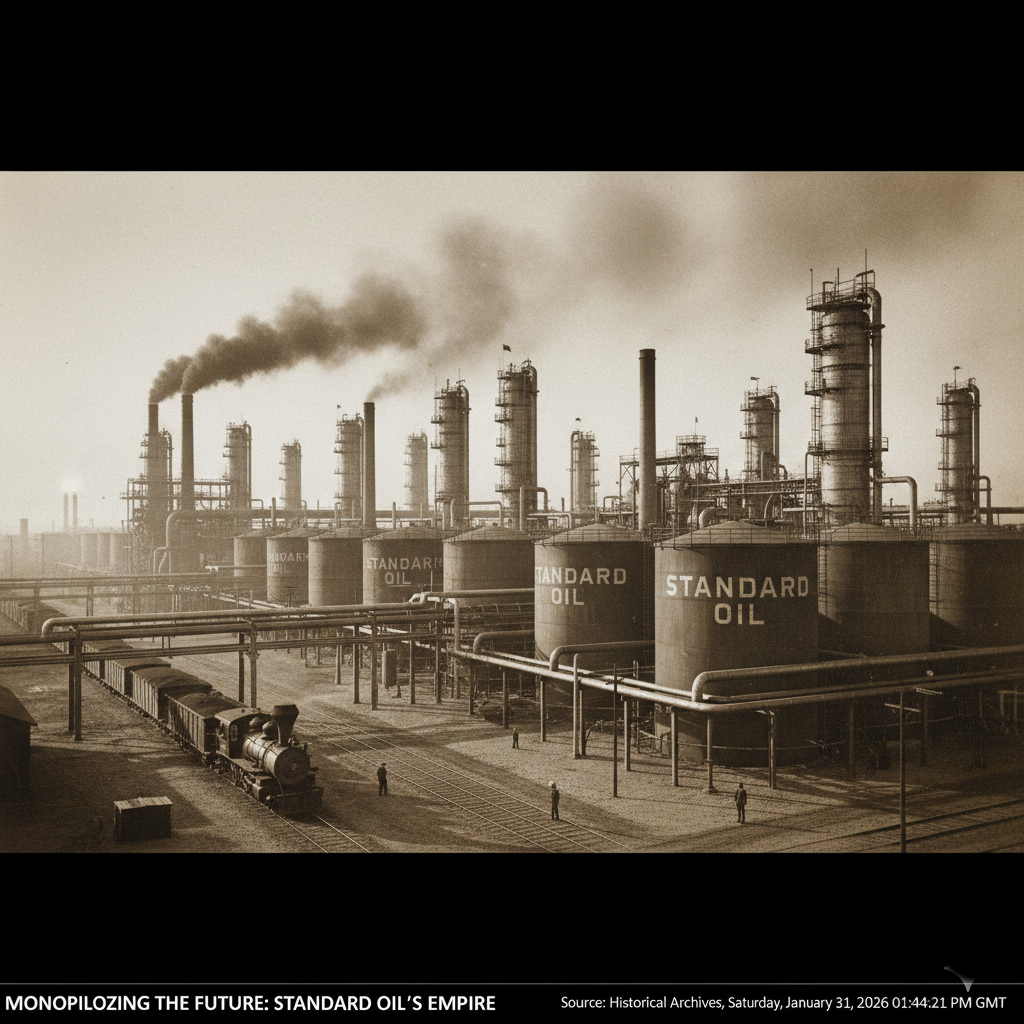
In the era of “maximum capitalism,” John D. Rockefeller founded Standard Oil and eventually controlled 90% of America’s oil refining. Even after the U.S. Supreme Court ordered his monopoly to be broken into 34 companies, Rockefeller’s fortune soared as his ownership in the new entities (like Exxon and Mobil) increased in value. At his peak in 1913, he was worth 2% of the entire U.S. GDP—a share of the economy significantly larger than any modern billionaire holds today.
The Banking Dynasty: The Rothschilds
Born into a Jewish ghetto in 1744, Mayer Amschel Rothschild established the first international banking network by sending his five sons to the major financial centers of Europe. The family financed wars, built the Suez Canal, and saved national economies. While their wealth is now decentralized, at their peak, Nathan Rothschild’s individual net worth was estimated at $20 billion, but his true value lay in his global connections and influence.
The Gold King: Mansa Musa
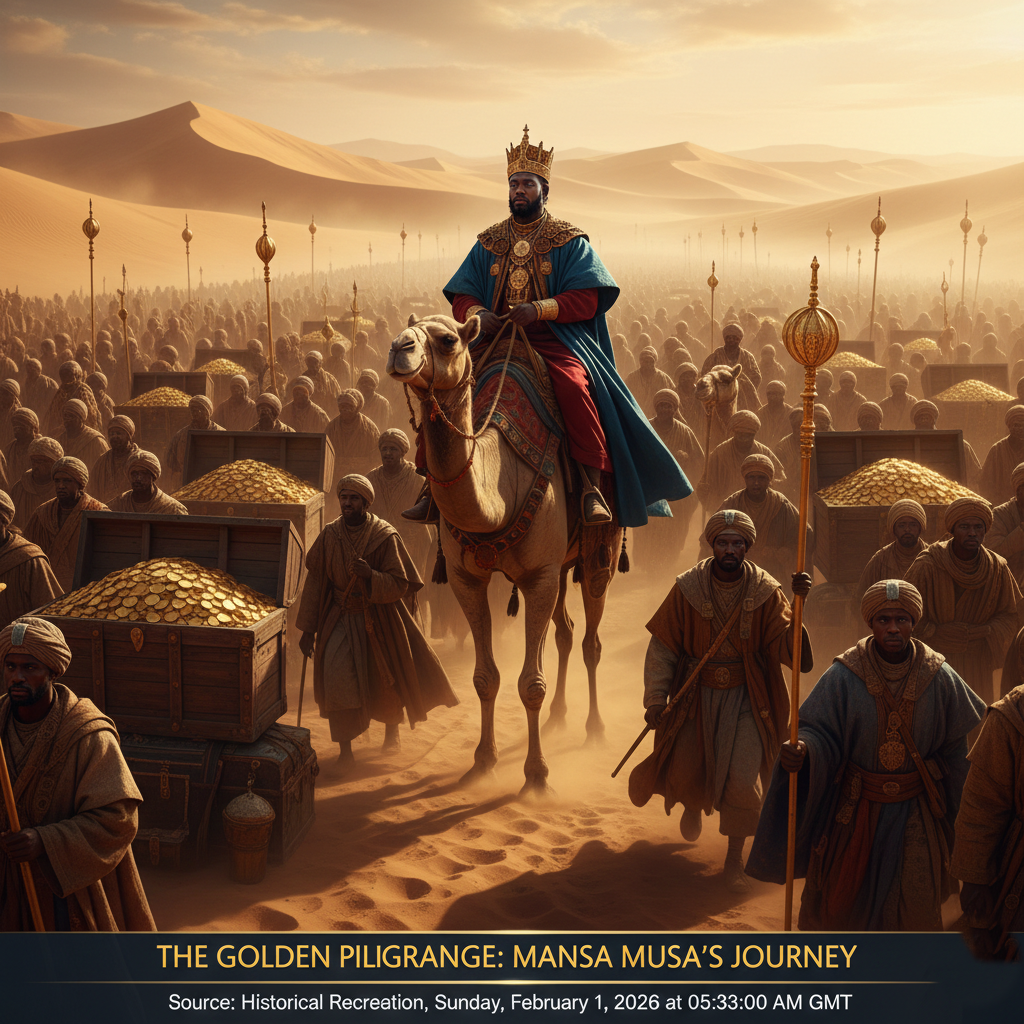
In 1324, the King of the Mali Empire, Mansa Musa, went on a pilgrimage to Mecca that remains legendary. He traveled with a 60,000-person entourage and so much gold that his spending caused inflation and destabilized the economies of the regions he passed through. Controlling half the world’s supply of gold and salt, Musa is often cited as the richest individual to ever live, with common estimates placing his worth at over $400 billion.
The Land Conquerors: Genghis Khan and Augustus Caesar
If wealth is measured by land, Genghis Khan is the clear winner. His Mongol Empire covered 20% of the Earth’s land area. However, the Khan famously lived simply, wearing the same clothes as his soldiers and distributing war loot to ensure loyalty.
In contrast, Augustus Caesar personally owned Egypt as his private property. He controlled 20% of the entire Roman Empire’s economic output, including its mines and tax flows. His estimated modern net worth sits at a staggering $5 trillion.
The Biggest Fish in the Biggest Pond
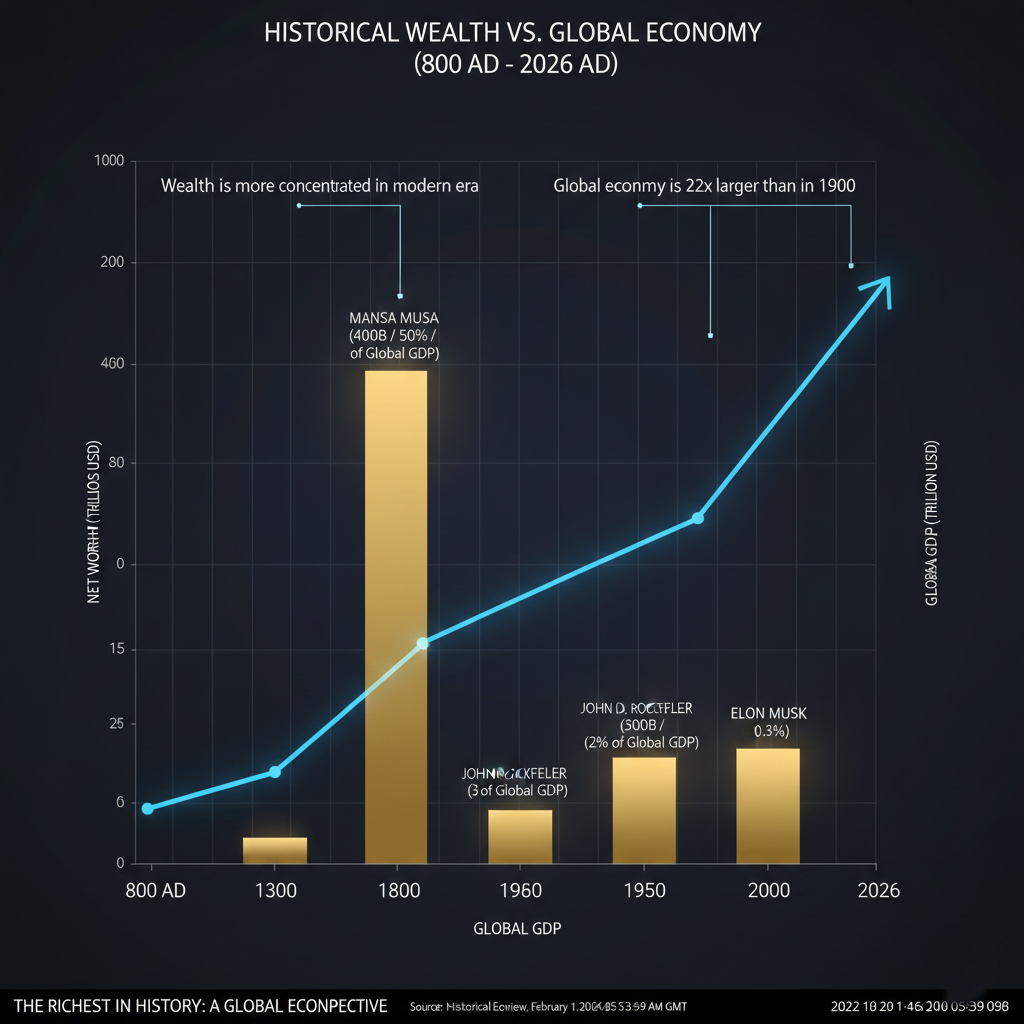
Who is truly the richest? While Rockefeller had a larger slice of the economic pie, today’s global economy is 22 times larger than it was in 1913. Modern wealth is more verifiable, accessible, and technologically advanced than the fortunes of ancient kings. While figures like King Solomon or Mansa Musa had wealth that bordered on myth, today’s top billionaires operate in a “pond” that is more prosperous than at any other point in human history.












Leave a comment