


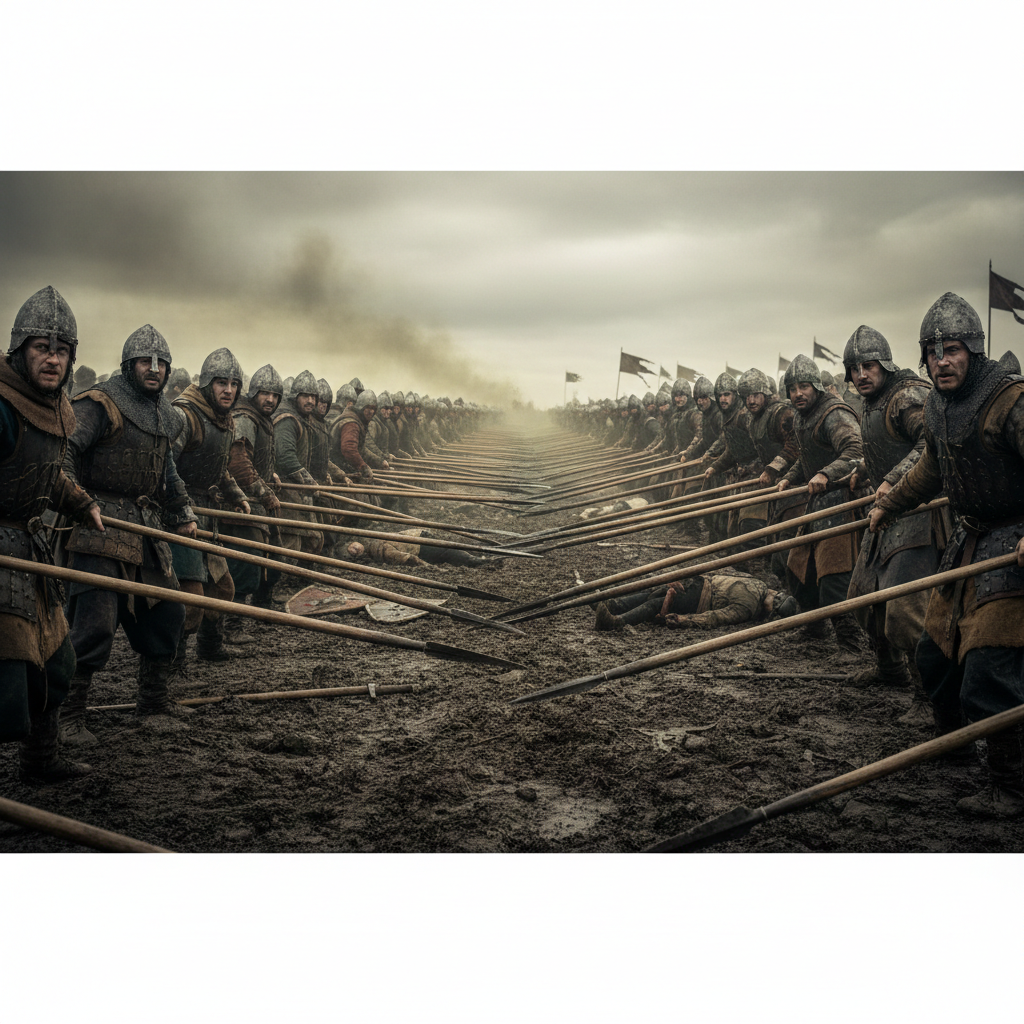
Beyond the Armor: The Gritty Reality of Medieval Warfare
For decades, popular culture has sold us a romanticized version of the Middle Ages. We see brave knights in gleaming plate armor, pristine banners fluttering in the breeze, and honorable duels that decide the fate of kingdoms. But for the 90% of the army who weren’t nobles, the reality was a harrowing experience of fear, filth, and survival.
The Unwilling Soldier: Conscription and the Levy
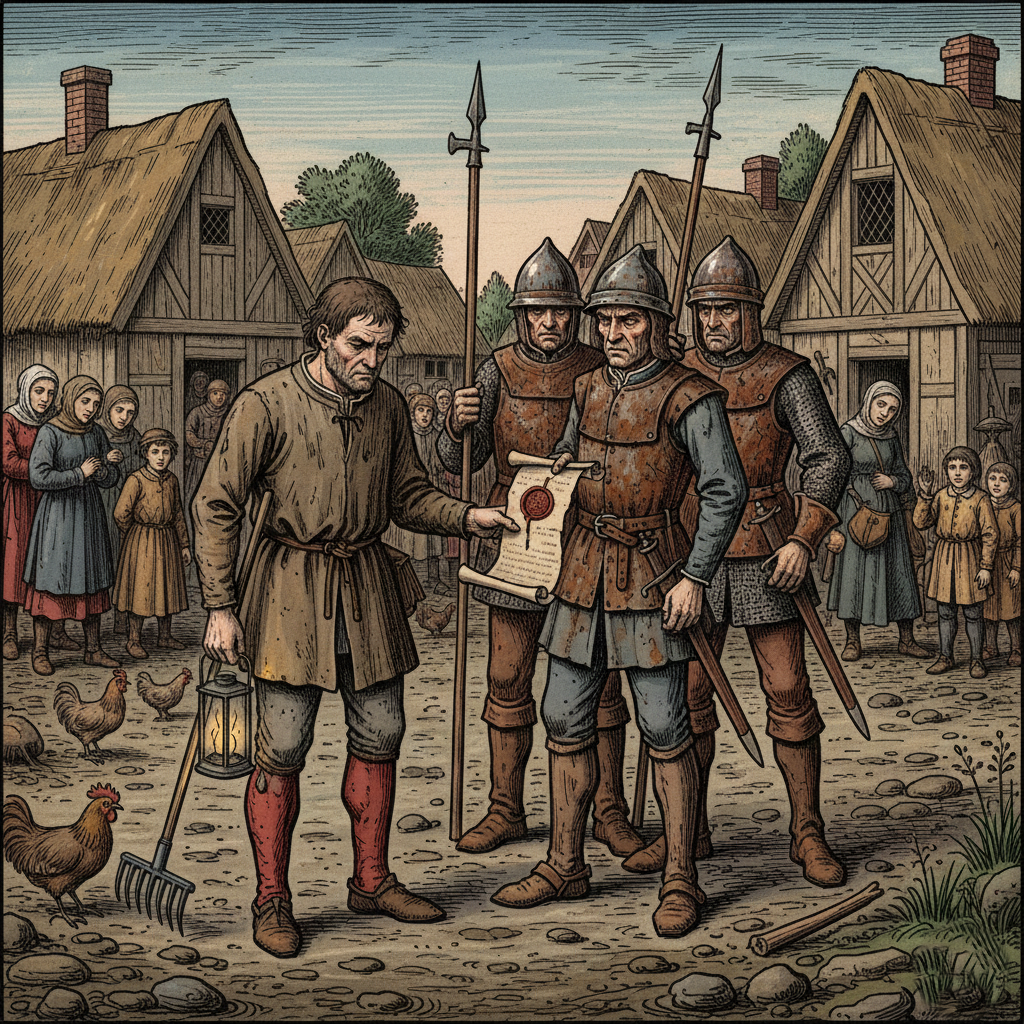
Most medieval soldiers didn’t dream of glory; they dreamed of their farms. The majority of any given army consisted of peasant levies—farmers, craftsmen, and laborers forced into service through feudal obligation. When the local lord needed bodies for a campaign, he didn’t ask for volunteers; he sent his bailiff to demand them.
For a 30-year-old farmer, a draft notice was a potential death sentence for his entire family. Leaving during planting or harvest season meant his crops would fail, leading to starvation the following winter. Yet, the penalty for desertion was even worse: the loss of land, the destitution of his family, or even the gallows.
The March: A Journey of Survival
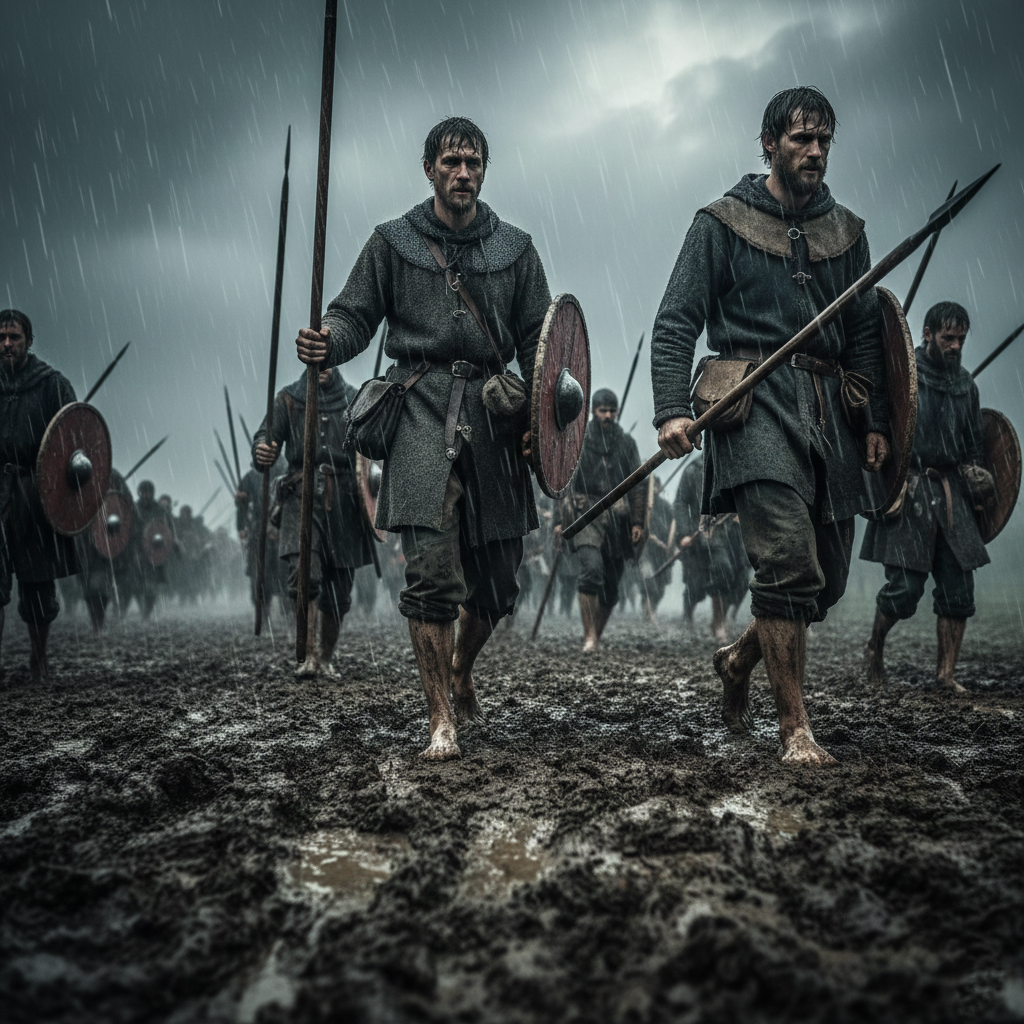
Movies often skip the journey, but for the medieval soldier, the march was frequently more lethal than the battle itself. Armies walked hundreds of miles on primitive dirt tracks that turned into rivers of sucking, ankle-deep mud when it rained.
Logistics were a nightmare. Soldiers often carried 20 to 40 pounds of gear while surviving on “bread” made of cheap grain mixed with sawdust. Malnutrition, exposure, and infected blisters were constant companions. However, the biggest killers were diseases like typhus and the “bloody flux” (dysentery), which could devastate up to 40% of an army before they ever saw the enemy.
The Shield Wall: A Human Battering Ram
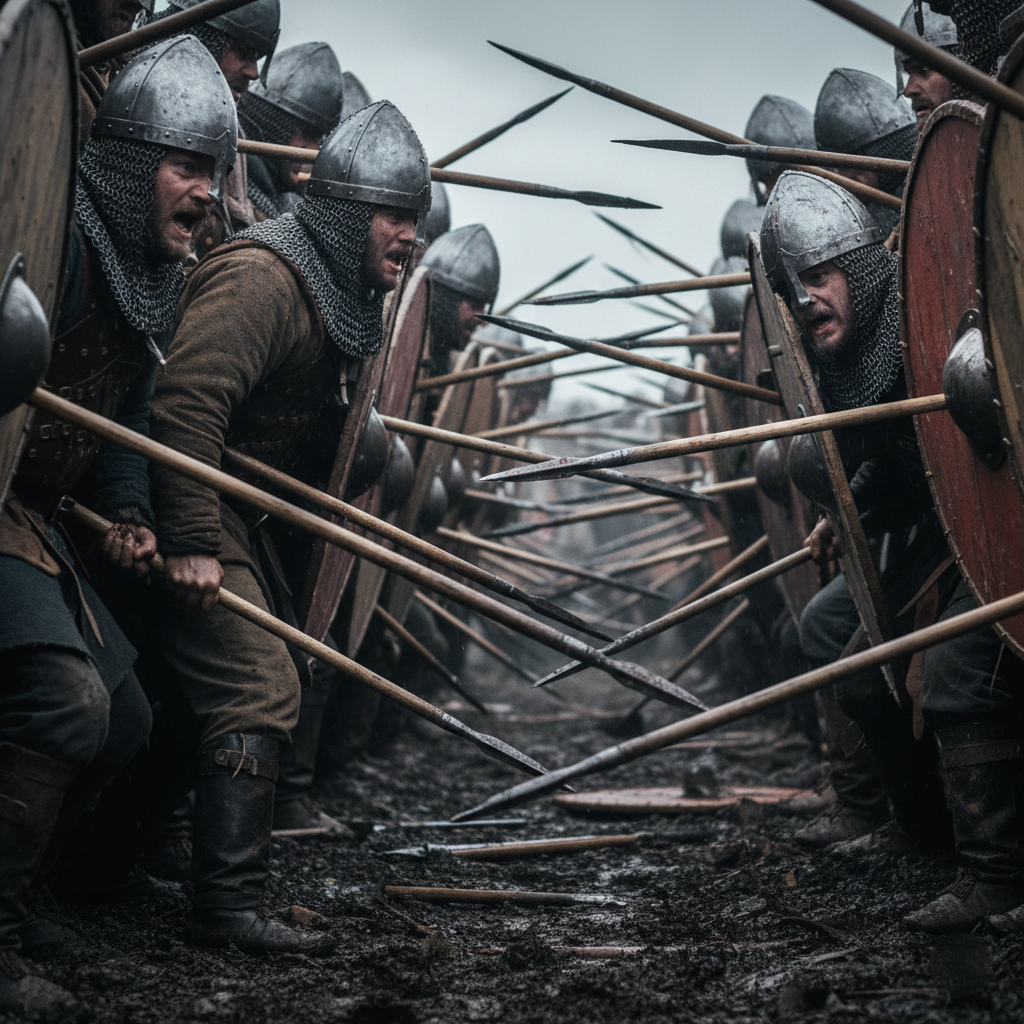
When the lines finally met, it wasn’t a series of elegant duels. It was a massive, claustrophobic shoving match. Thousands of pounds of human weight pushed from both sides, pinning men in place so tightly they sometimes suffocated while still standing.
The primary weapon for the levy was the spear, used to thrust blindly into the wall of enemy flesh. The ground quickly became a slick paste of mud and blood, carpeted with the dead and wounded. To stay standing was to live; to fall was to be trampled to death by the boots of your own comrades.
The Route: When the Real Killing Began
Medieval battles often ended not when everyone was dead, but when one side’s morale shattered. When the line broke, the formation dissolved into a “route.” This was the most dangerous moment for the common soldier.
While knights were often spared for ransom, commoners were not. The victorious cavalry would hunt down fleeing infantry, cutting them down from behind in a one-sided slaughter. A route could turn a battle with moderate casualties into an absolute abattoire.
The Aftermath: Scars That Never Healed
Surviving the battle was only the beginning of a new struggle. For those wounded, medieval medicine offered butchery rather than healing. Without anesthesia or antibiotics, surgeons used bone saws and red-hot irons to treat injuries. Many who survived the initial hacking died days later from gangrene or sepsis.
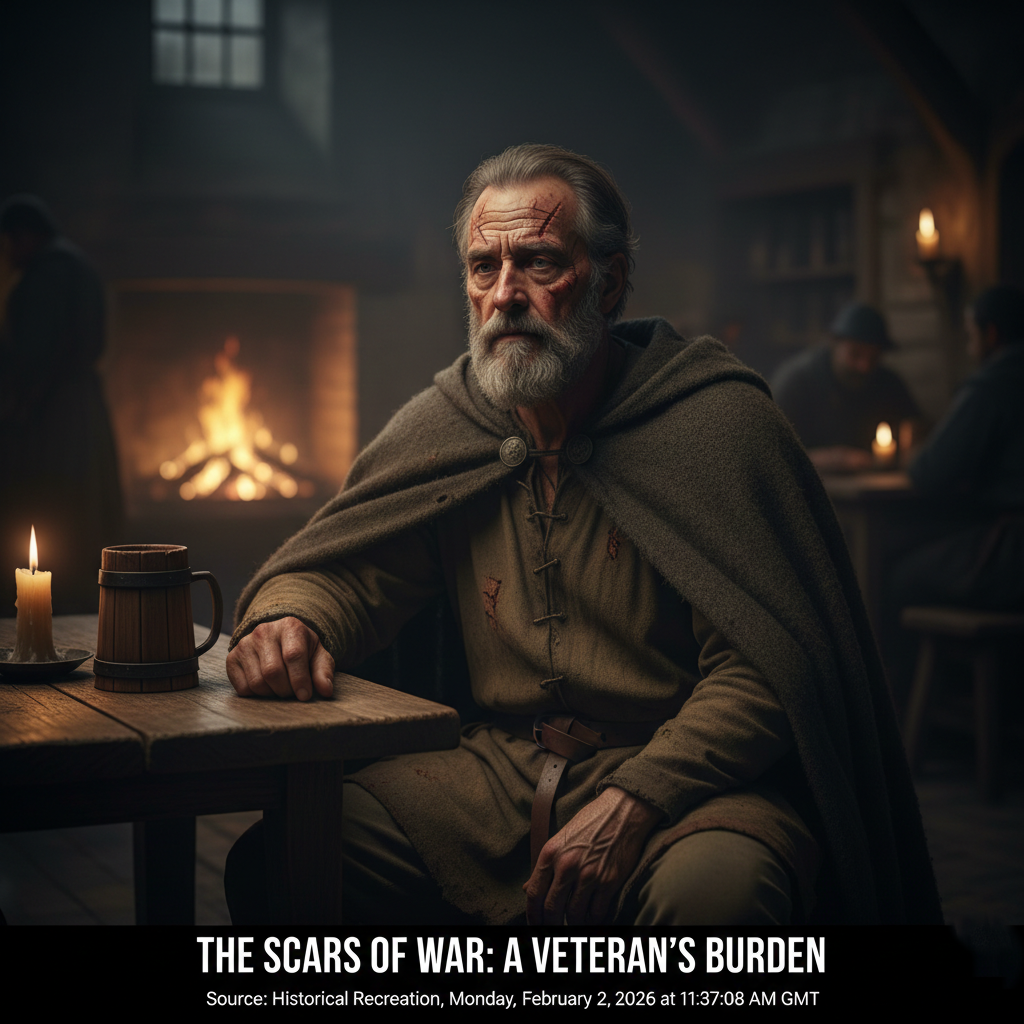
Those who somehow made it home returned as “living ghosts.” Haunted by what we now know as PTSD, they struggled to reintegrate into village life. The scars of medieval warfare weren’t just the physical puckered lines of sword cuts; they were the shattered minds of men who had seen the worst of human nature.
Honoring the Truth
Understanding the reality of medieval battles reminds us that history is made by real people paying real prices for the decisions of the powerful. By stripping away the Hollywood glamor, we can finally acknowledge the quiet, desperate courage of the ordinary men who stood in the shield wall and endured the unendurable.














Leave a comment