


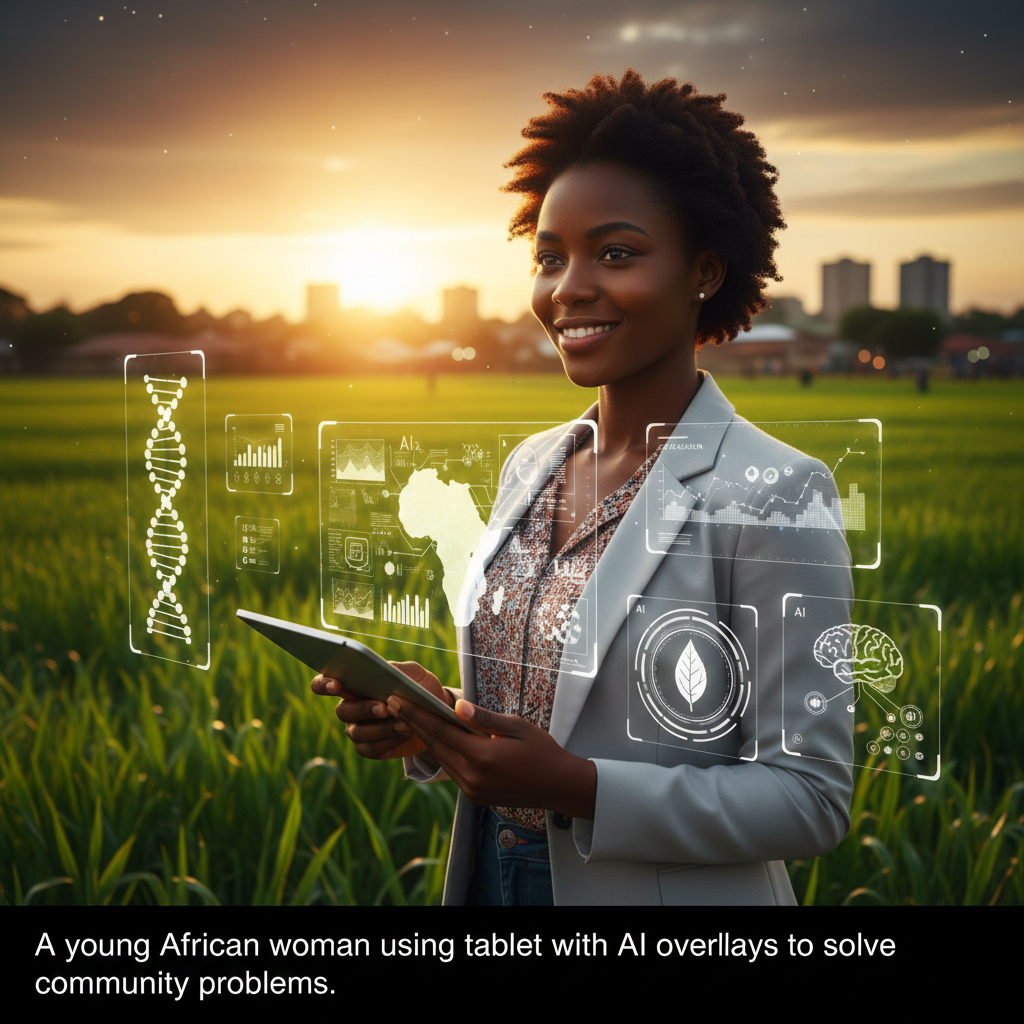
When most people talk about the AI revolution, they ask, “When will Africa catch up?” According to Hardy Pemhiwa, CEO of Cassava Technologies, that is exactly the wrong question. The real question we should be asking is: “When will the world catch up to what Africa is doing with AI?”
Africa isn’t just a participant in the AI age; it is becoming its most vital laboratory. With a population that is 60% youth and a history of leapfrogging traditional technologies, the continent is using artificial intelligence to solve problems the West hasn’t even begun to consider.
The Power of the Digital Native
Africa is vast—home to 54 countries, 1.6 billion people, and over 3,000 languages. But its most powerful asset is its youth. By 2050, 60% of the world’s youth will be African. These are digital natives who have never known a world without mobile connectivity.
Just 30 years ago, there were more telephone lines in Manhattan than in all of sub-Saharan Africa. Today, the continent boasts a billion mobile connections and 1.1 billion mobile money accounts. This rapid adoption of technology wasn’t just progress; it was a revolution. Because there were no legacy bank accounts to protect, Africa invented mobile money. Now, it is doing the same with AI.

The AI-Amplified Entrepreneur
In the West, AI is often discussed in terms of substitution—will a robot take my job? In Africa, the conversation is about multiplication—how can AI help one person do the work of ten?
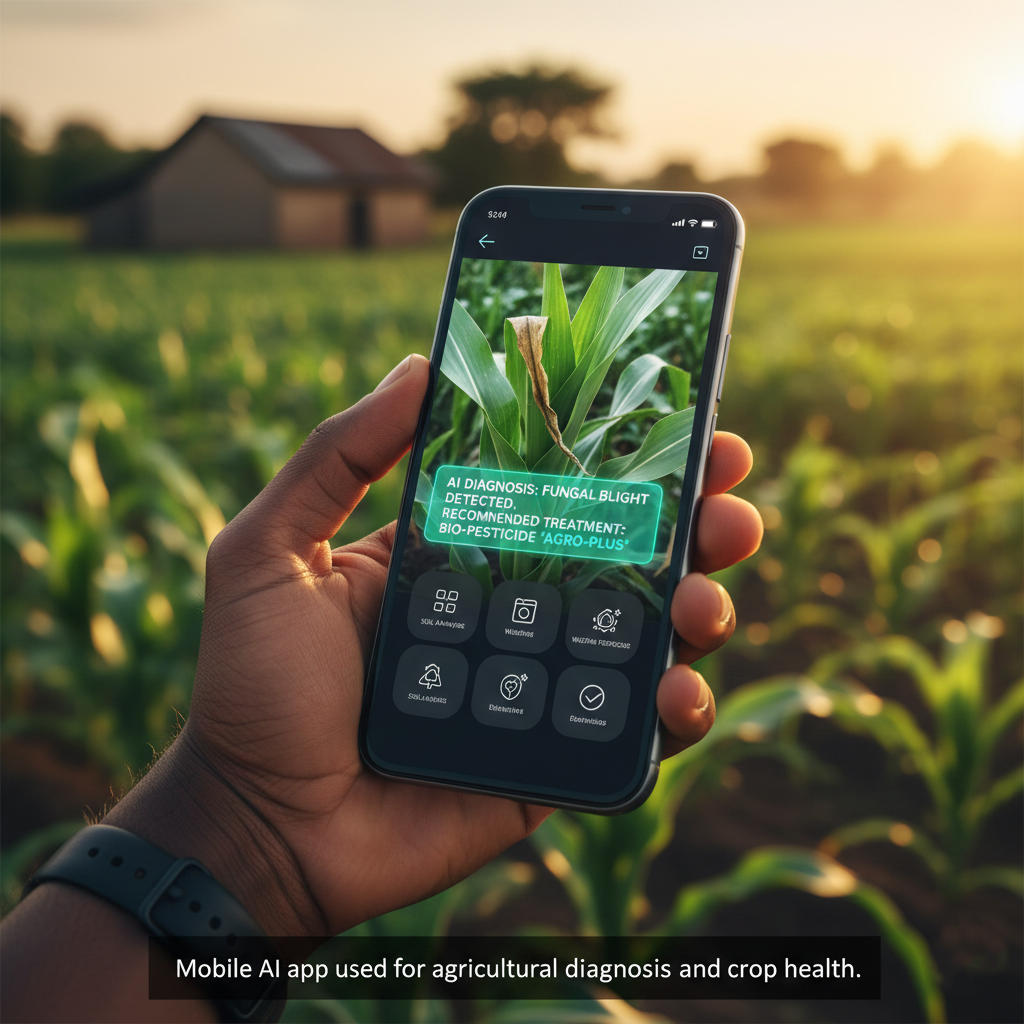
Consider “Yamurai,” a 24-year-old high school graduate. Through AI, she has become an “AI-amplified community entrepreneur.” In the morning, she uses AI to teach math to 200 students across five schools, solving the teacher shortage. By midday, she assists local nurses with disease diagnosis. In the evening, she helps neighbors analyze soil samples to increase crop yields.
Yamurai isn’t a doctor, a teacher, or an agronomist. She is an entrepreneur empowered by a smartphone and an AI assistant. She is solving real-world shortages while earning three times more than her peers.
Building the “AI Factory”
For this revolution to be sustainable, it requires African-owned infrastructure. Cassava Technologies has already laid 110,000 kilometers of fiber across the continent and is now building Africa’s first “AI Factory.”
This factory isn’t about physical goods; it’s about local data, local algorithms, and local compute capacity. By training AI on African realities, the models become more robust and inclusive. They are being built to detect counterfeit medicines, diagnose tropical diseases, and teach physics in Swahili or Zulu.
AI for Impact, Not Just Clicks
While Silicon Valley worries about AI ethics and New York builds algorithms to trade stocks faster, Africa is optimizing AI for impact.
The future of AI is being written on the streets of Lagos and in the “Silicon Savannah” of Kenya. It is a future where constraints drive innovation, and where AI is used to reduce mortality rates and feed communities. This is not just Africa’s AI moment—it is AI’s Africa moment.













Leave a comment