



Cancer is a word that carries a lot of weight, often evoking fear and uncertainty. However, knowledge is power. By understanding what cancer is, how it develops, and the steps we can take to prevent and treat it, we can approach this complex disease with greater clarity and hope. This guide aims to demystify cancer, providing you with essential information to navigate this important health topic.
What is Cancer? At the Cellular Level
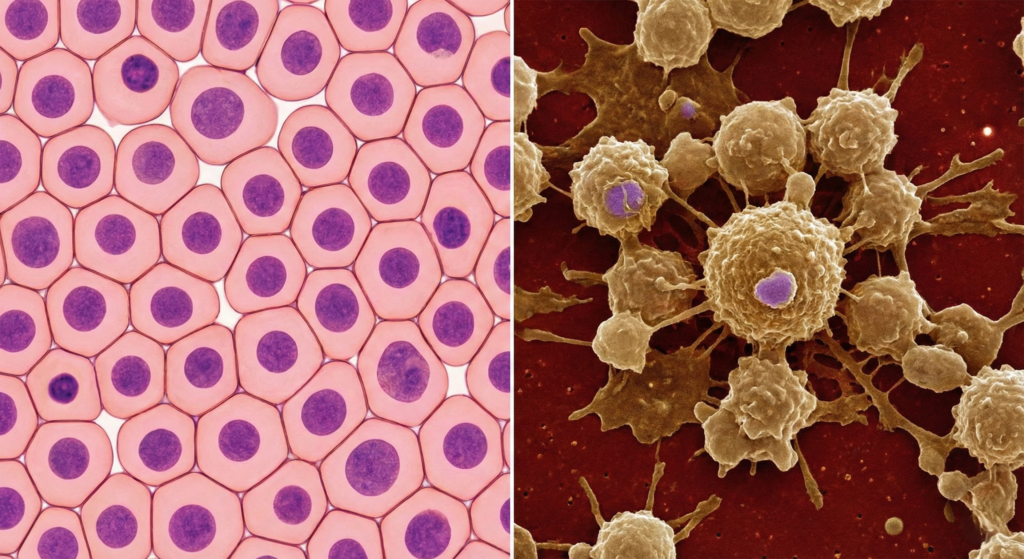
At its core, cancer is a disease of our cells. Our bodies are made up of trillions of cells that grow, divide, and die in an orderly fashion. This process is tightly regulated by our DNA. Cancer begins when genetic changes interfere with this orderly process. Cells start to grow uncontrollably, ignoring the body’s signals to stop, and may form a mass called a tumor. Some cancers, like leukemia, do not form solid tumors but instead affect the blood and blood-forming organs.
Common Types and Causes
There are over 100 different types of cancer, usually named for the organs or tissues where they form. The main categories include:
- Carcinomas: Begin in the skin or tissues that line internal organs (e.g., breast, lung, colon cancer).
- Sarcomas: Develop in bone, cartilage, fat, muscle, or other connective tissues.
- Leukemias: Start in the blood-forming tissue, such as the bone marrow, and cause large numbers of abnormal blood cells to be produced.
- Lymphomas: Begin in the cells of the immune system.
The causes of cancer are complex and often a combination of genetic and environmental factors. Some common risk factors include:
- Tobacco use
- Poor diet and lack of physical activity
- Excessive sun exposure (UV radiation)
- Certain viruses and bacteria
- Exposure to harmful chemicals and pollutants
- Family history and inherited gene mutations
Diagnosis and Treatment: A Partnership for Health
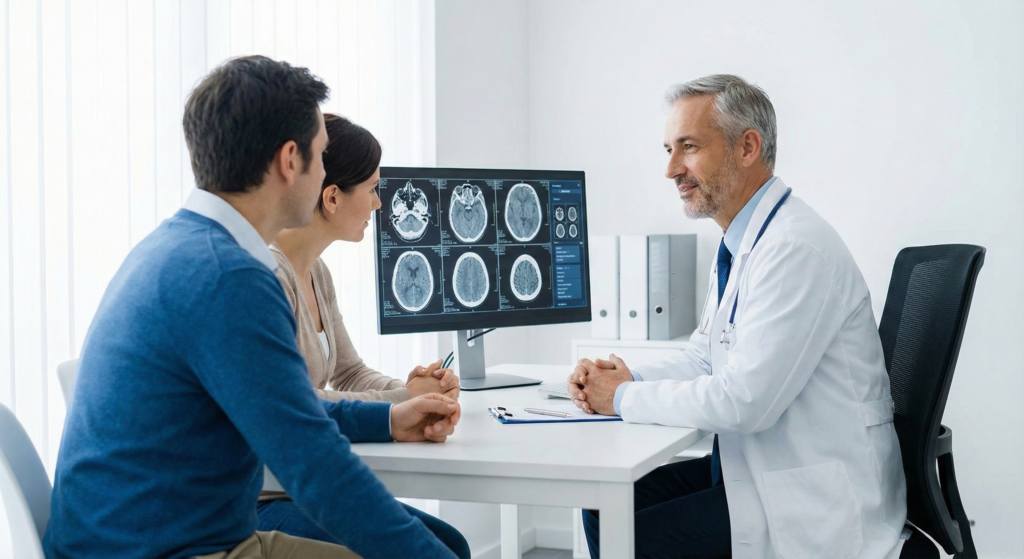
Early detection is often key to successful treatment. Screening tests can help find some cancers early, when they are small and have not spread. If cancer is suspected, a doctor will recommend diagnostic tests like imaging scans (CT, MRI), biopsies, and blood tests to confirm the diagnosis and determine the stage of the disease.
Once diagnosed, a team of specialists will work with the patient to develop a personalized treatment plan. This is a collaborative process, with the patient at the center of all decisions.
Prevention: Taking Charge of Your Health
While not all cancers can be prevented, a substantial proportion of cancer cases are linked to lifestyle factors that we can control. Making healthy choices can significantly reduce your risk.
- Eat a healthy diet: Focus on plant-based foods like fruits, vegetables, and whole grains. Limit processed meats and red meat.
- Be physically active: Aim for at least 150 minutes of moderate aerobic activity or 75 minutes of vigorous activity a week.
- Maintain a healthy weight: Obesity increases the risk of several types of cancer.
- Protect yourself from the sun: Use sunscreen, wear protective clothing, and avoid midday sun.
- Don’t smoke: Tobacco use is the single largest preventable cause of cancer.
- Limit alcohol consumption: Drinking alcohol is linked to an increased risk of several cancers.

Conclusion: A Message of Hope
Understanding cancer is the first step in the fight against it. By being informed, making healthy lifestyle choices, and being proactive about screenings, you are taking control of your health. Remember, you are not alone. There is a vast community of support, from medical professionals to survivor networks, ready to help. Advances in research are constantly leading to more effective treatments and better outcomes. Let the lavender ribbon be a symbol of our collective hope and commitment to a world without cancer.
Watch the full video here.









Leave a comment