



This week, Nigerian politics and security faced a series of harsh and uncomfortable truths. From international validation of a domestic human rights crisis to a blistering public critique by a Nobel Laureate, and a delicate security dance in the West African region, the nation’s priorities are under intense scrutiny.
In his latest update, DonAza breaks down the conflicting issues defining Nigeria’s current security reality.
U.S. Congressman Confirms Horrific Christian Genocide in Benue State
While the Nigerian government has long denied claims of targeted religious persecution, those denials were challenged by an international delegation. U.S. Congressman Troy Nehls visited Benue State and other locations to investigate claims of Christian genocide.
The findings were shocking and heartbreaking.
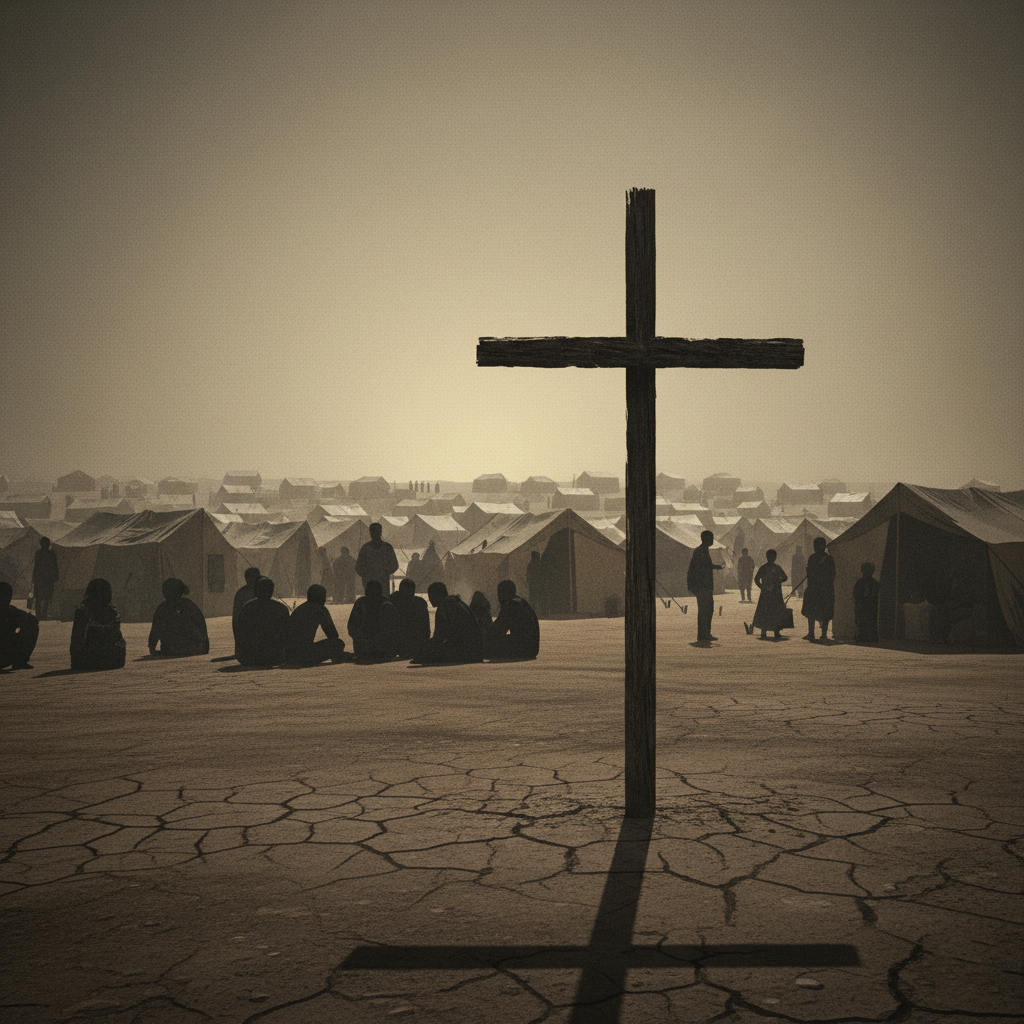
Nehls stated that he met with “dozens of Christians who were driven from their homes, subjected to horrific violence, and now live in IDP camps” [00:01:29]. The delegation was told harrowing stories, including one woman who was forced to watch as her husband and five children were killed. Another woman’s baby was reportedly ripped from her womb in front of her [00:02:30].
The Benue Crisis By the Numbers
The scale of displacement confirmed the severity of the crisis. According to reports, more than 600,000 Christians are living in Internally Displaced Persons (IDP) camps in Benue State alone [00:02:59].
The video analysis raises a crucial question: If Nigeria possesses a military strong enough to be deployed across its borders to protect other nations, why is it unable to quash the Fulani Muslim militias who have occupied the ancestral lands of these 600,000 Nigerian citizens?
Wole Soyinka Blasts Excessive Security for Seyi Tinubu
The question of national security priorities was brought into sharp relief by Nobel Laureate, Wole Soyinka.
Soyinka publicly criticized the excessive security detail afforded to the President’s son, Seyi Tinubu, calling it a misplaced devotion of national resources [00:11:10].
In a personal anecdote, Soyinka recounted seeing what looked like a “whole battalion” of heavily armed security personnel protecting one young individual at a hotel [00:08:53]. He expressed astonishment, stating that “a child of the head of state goes around with an army for his protection” when the security architecture of the nation is suffering.
“I think children should know their place. They are not potentates. They’re not heads of state. And the security architecture of a nation like this suffers some injury and alienation when we see such a heavy devotion of security to one young individual.” – Wole Soyinka
Soyinka implied that the security forces deployed to protect one individual could have been used to quell insurrections or address the humanitarian crisis plaguing states like Benue [00:10:53].
The West Africa Security Dilemma: A Trap in the Sahel
Adding to the domestic security worries is a growing regional crisis.
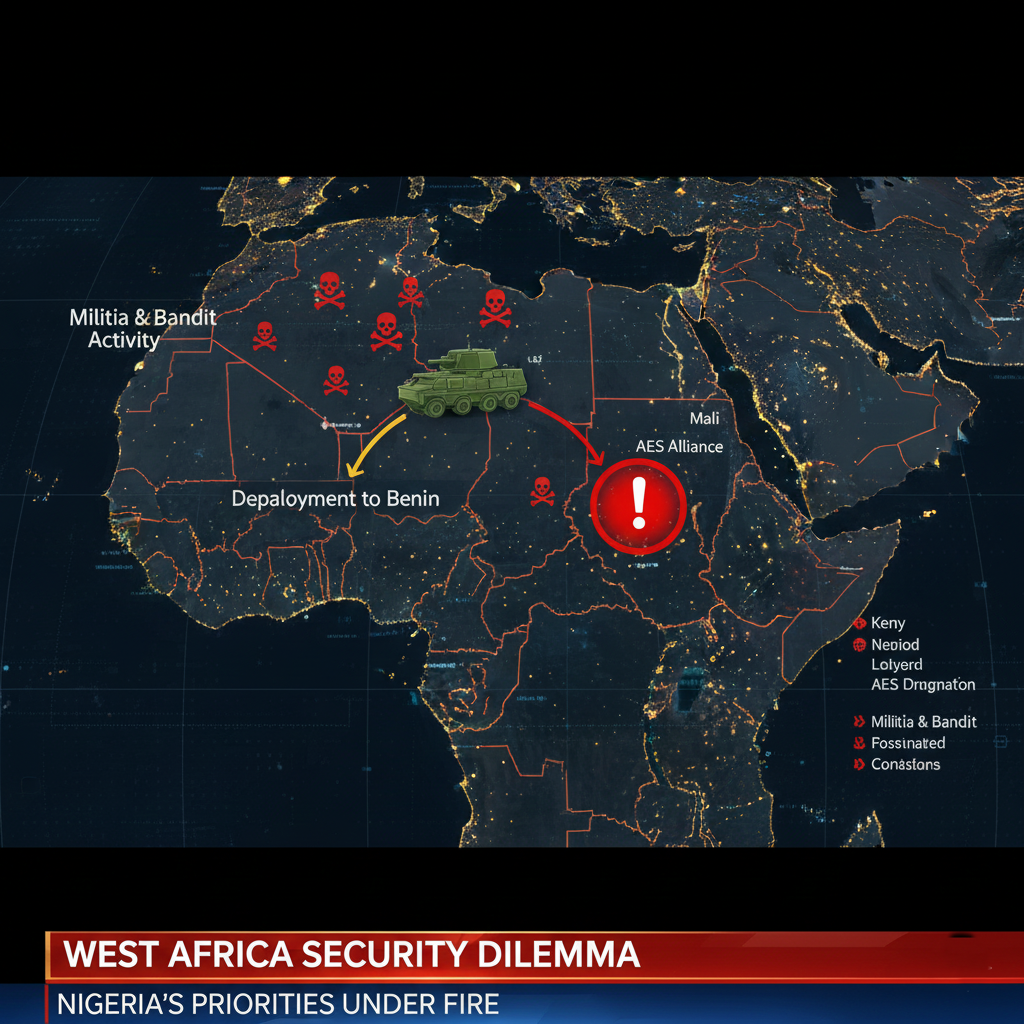
Deployment to Benin Republic
President Tinubu recently sought and received Senate approval to deploy Nigerian troops to the Benin Republic to protect its democracy [00:04:22]. While securing regional stability is vital, this move again raises concerns about prioritizing foreign deployment over internal threats (IDP camps, kidnappers, bandits).
The Burkina Faso Standoff
The regional tension escalated when Burkina Faso—part of the AES Alliance (Alliance of Sahel States, including Mali and Niger)—detained a Nigerian Air Force cargo plane and 11 soldiers after the C-130 made an emergency landing. Burkina Faso claimed the plane violated its airspace [00:16:22].
The video warns that this detention is a “trap” designed to provoke a regional conflict. Despite Nigeria’s internal security challenges, the analysis is clear: a war with the AES Alliance, particularly Burkina Faso, would result in a swift and devastating defeat for the smaller nations [00:17:38]. The call for release, however, is a plea for de-escalation rather than a threat.onclusion: Misplaced Priorities
Misplaced Priorities
The core theme emerging from the week’s news is a profound mismatch between Nigeria’s security capabilities and its political priorities.
While a U.S. delegation confirms a large-scale human rights catastrophe, the nation’s military is being stretched thin by foreign deployments and the protection of political elites. The focus on internal peace—and the reclaiming of land for 600,000 displaced citizens—appears to be secondary to the political optics of regional power.
Where should Nigeria’s security priority truly lie? Share your thoughts below.










Leave a comment