



The Footage vs. The Narrative
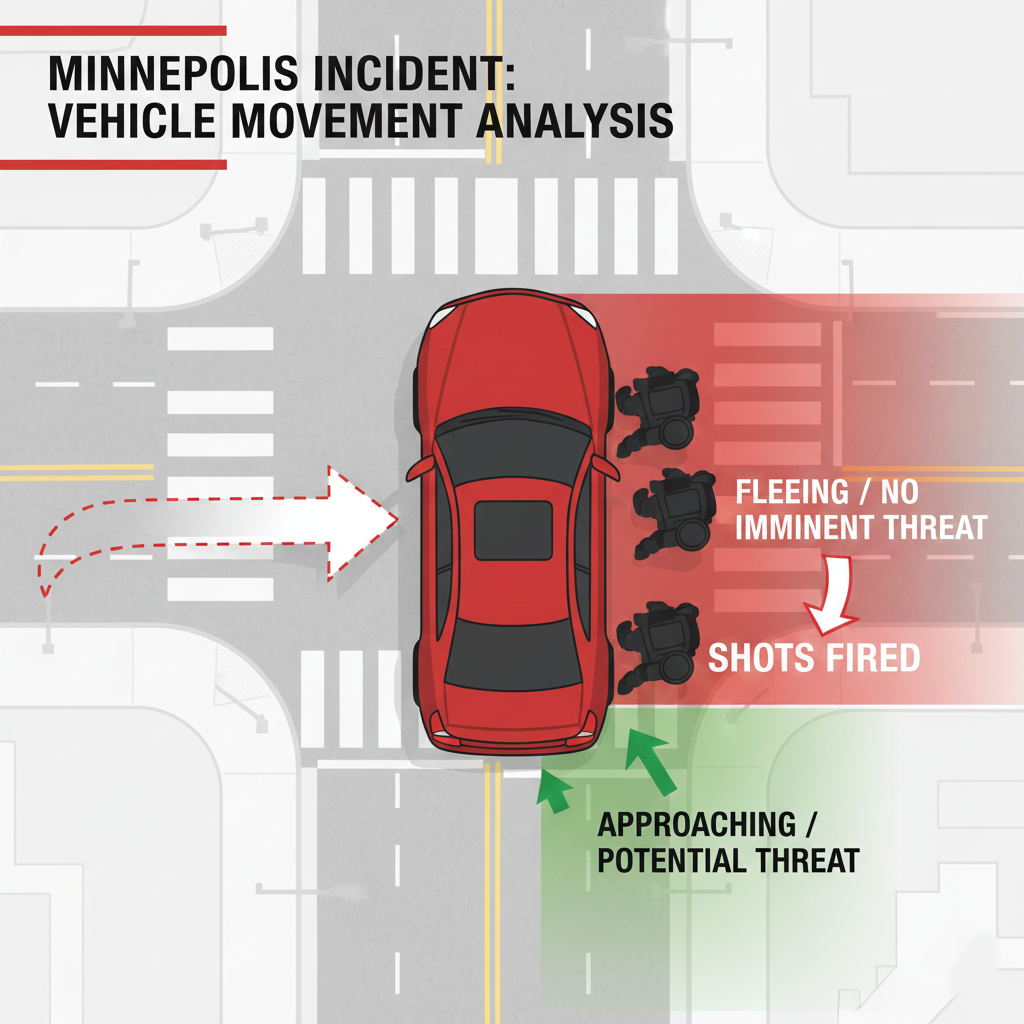
On January 7, 2026, an ICE officer fatally shot a woman attempting to flee a scene in Minneapolis during an anti-ICE protest. The Department of Homeland Security (DHS) quickly labeled the event “domestic terrorism,” claiming the driver “weaponized her vehicle” to run over officers.
However, legal analyst and former prosecutor Glenn Kirschner argues that the video evidence tells a different story. Multiple angles show the driver slowly backing up and turning her wheels away from the officers to maneuver around a blocked street. As the vehicle began to move away, the officer opened fire, striking the unarmed woman.
The Legal Threshold for Lethal Force
In any police-involved shooting, the core legal question is whether the officer faced an imminent risk of death or serious bodily injury.
- Self-Defense Rules: An officer can only use the amount of force necessary to repel an attack.
- Fleeing Vehicles: Generally, law enforcement cannot fire at a fleeing vehicle that does not pose an immediate threat to the community.
Kirschner suggests that, based on the visible footage, the act could be categorized as criminal homicide—potentially second-degree murder or manslaughter—because the vehicle was moving away from the officer when shots were fired.
Political Fallout and “Propaganda”
The incident has drawn sharp commentary from high-level officials:
- Kristi Noem: Stated that officers were pushing a stuck vehicle when they were rammed.
- Donald Trump: Claimed the officer was “viciously run over” and is recovering in the hospital.
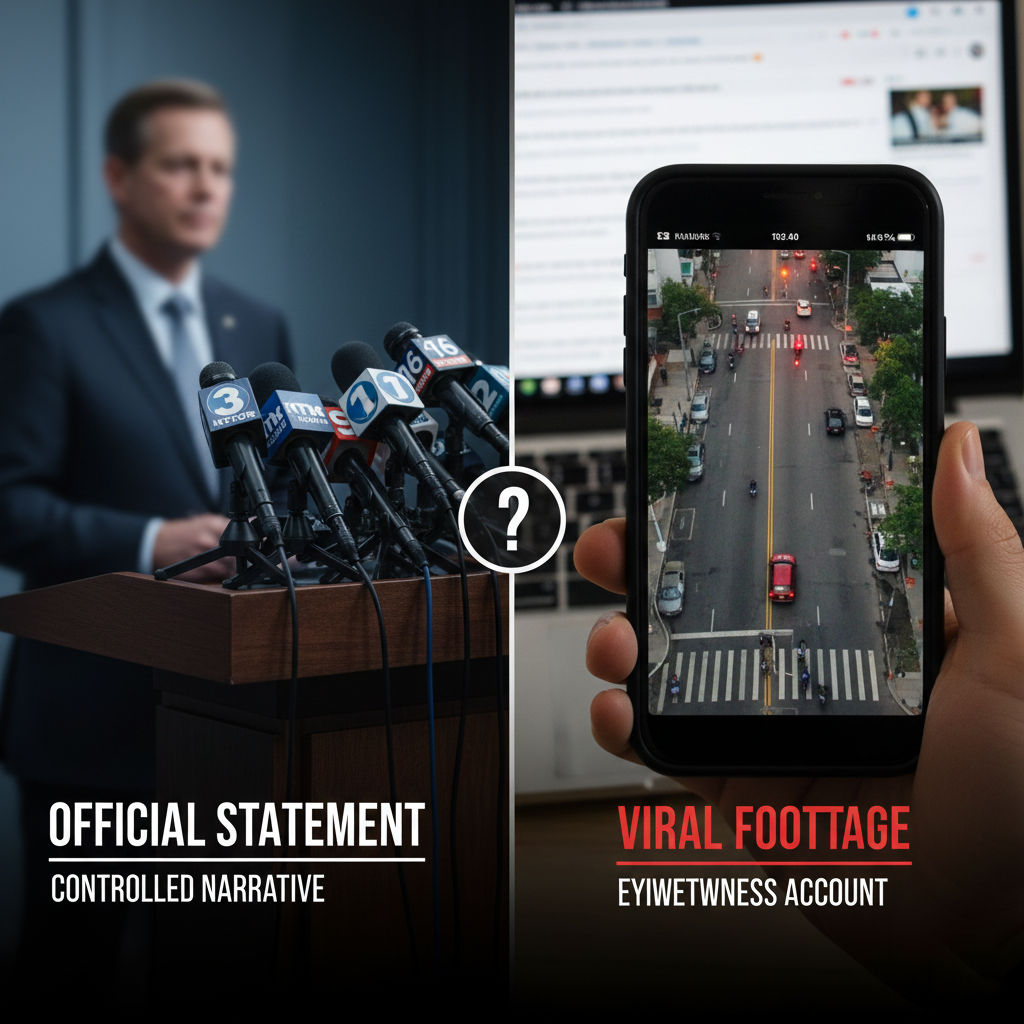
Critics point out that the video shows the officer standing and walking immediately after the shooting, contradicting claims of severe injury. These conflicting reports have led to accusations of “pure propaganda” designed to shield law enforcement from accountability.
The Road Ahead: State vs. Federal Court
Because the shooter is a federal officer, the legal proceedings will be uniquely complex:

- Qualified Immunity: The officer will likely claim immunity, arguing they were performing official duties.
- Removal to Federal Court: Even if the state of Minnesota brings charges, the officer will likely attempt to “remove” the case to federal court.
- The Pardon Factor: Even if the case is tried in federal court, it remains a state prosecution. This means the President cannot issue a pardon for these specific state-level crimes.















Leave a comment