


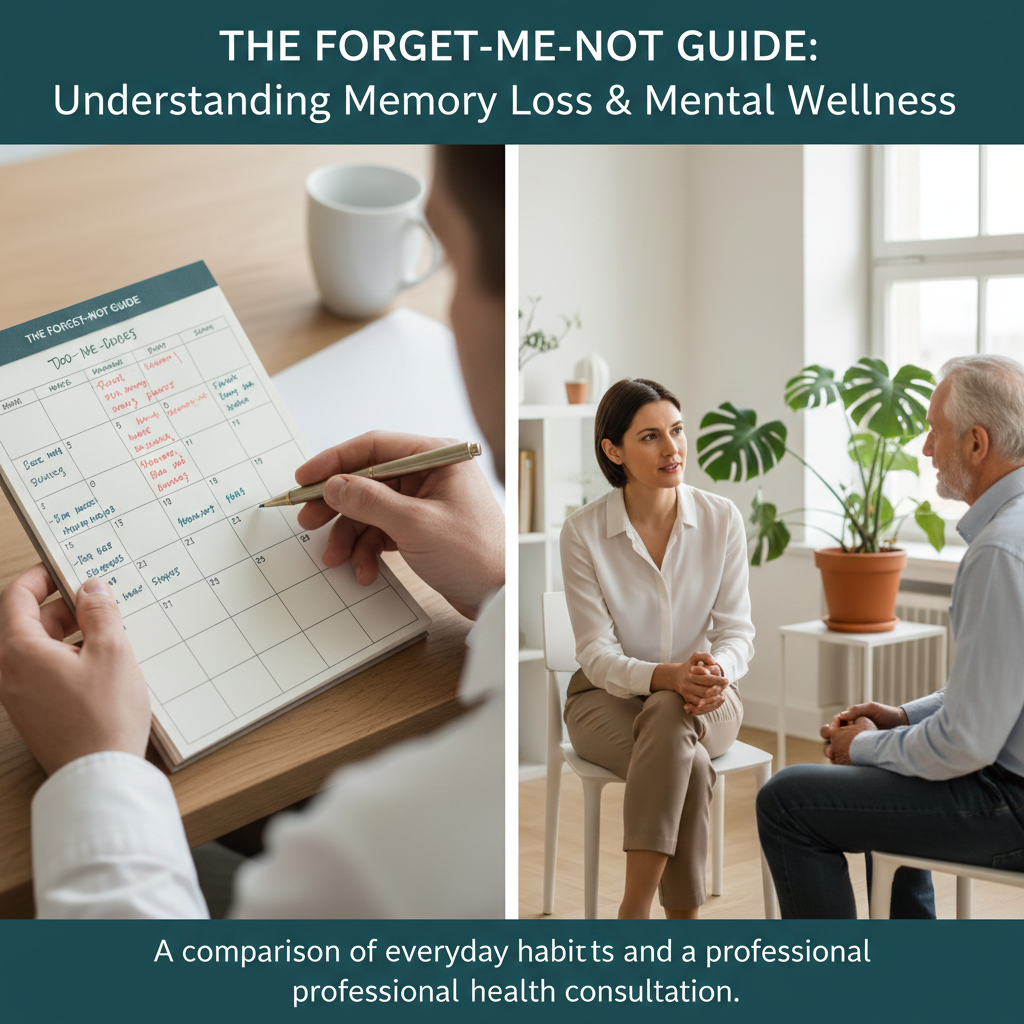
The Spectrum of Memory: What’s Normal?
Cognitive functions, particularly working memory and the ability to learn new things, typically peak in our late 20s to early 30s. After this, a slow decline is a natural part of aging. You might notice:
- It takes longer to learn a new skill.
- You need to read a passage several times to retain it.
- You occasionally “tune out” during conversations or forget minor details.
While these shifts can be frustrating, they are generally considered signs of mild, normal forgetfulness.
When Forgetfulness Becomes Serious
Memory loss becomes a clinical concern when it interferes with your ability to perform everyday tasks. Red flags that warrant professional attention include:
- Difficulty following a simple conversation or a storyline in a book or movie.
- Getting lost in familiar locations.
- Asking the same question repeatedly because the information wasn’t retained.
- Inability to follow two- or three-step instructions.
- Confusion about time, people, or places.

The “Pseudo-Dementia” Connection
Not all severe memory issues are degenerative (like Alzheimer’s or Dementia). Several mental health conditions and lifestyle factors can mimic these symptoms:
- Extreme Stress: Stress hijacks your “executive function,” making it nearly impossible to pay attention or hold information in your working memory.
- Depression and Anxiety: When these are unmanaged, they can cause significant cognitive clouding, sometimes referred to as “pseudo-dementia.”
- Sleep Deprivation: Lack of quality sleep directly impairs how the brain learns and stores information.
- ADHD: Untreated or unmanaged ADHD often presents as memory lapses due to a lack of initial focus.
- Substance Use: Both recreational drugs and long-term alcohol use can significantly impact memory skills.
How to Approach a Loved One
Noticing memory decline in a friend or family member is difficult. Because many people have some early insight into their own struggles, approaching them with curiosity rather than judgment is key.
- Use Questions: Instead of telling them they are “losing it,” try saying: “I’ve noticed it’s been a bit harder for you to follow recipes lately. How have you been feeling?”
- Offer Support: Offer to help find a provider or accompany them to an appointment. Let them know you are a partner in their health journey.
The Role of Mindfulness and Digital Detox
In the modern world, what feels like “bad memory” is often actually a lack of focus. With devices constantly vying for our attention, we rarely practice mindfulness—doing one thing at a time. To protect your cognitive health and that of your children, consider:
- Device-Free Zones: Designate areas like the dining table or living room as “no-phone” zones.
- Engagement First: Ensure you have eye contact with someone before giving them information to ensure it is actually being received.
- Brain Training: Like a muscle, the brain needs exercise. Pushing through the frustration of difficult tasks and learning new accommodations (like writing everything down) can help maintain function longer.

Whether your forgetfulness is a product of aging, stress, or a diagnosable condition, the most important step is proactive management. By reducing digital distractions and seeking professional guidance for persistent issues, you can take control of your cognitive well-being.













Leave a comment