



The Unexpected Rise: 423 Years of American History
The story of the United States is one of the most remarkable transformations in human history. Rising from an ignored coastline to become the world’s most powerful economy, the American journey is marked by lucky breaks, brutal conflicts, and a relentless drive for expansion.
Colonial Beginnings and the Spark of Revolution
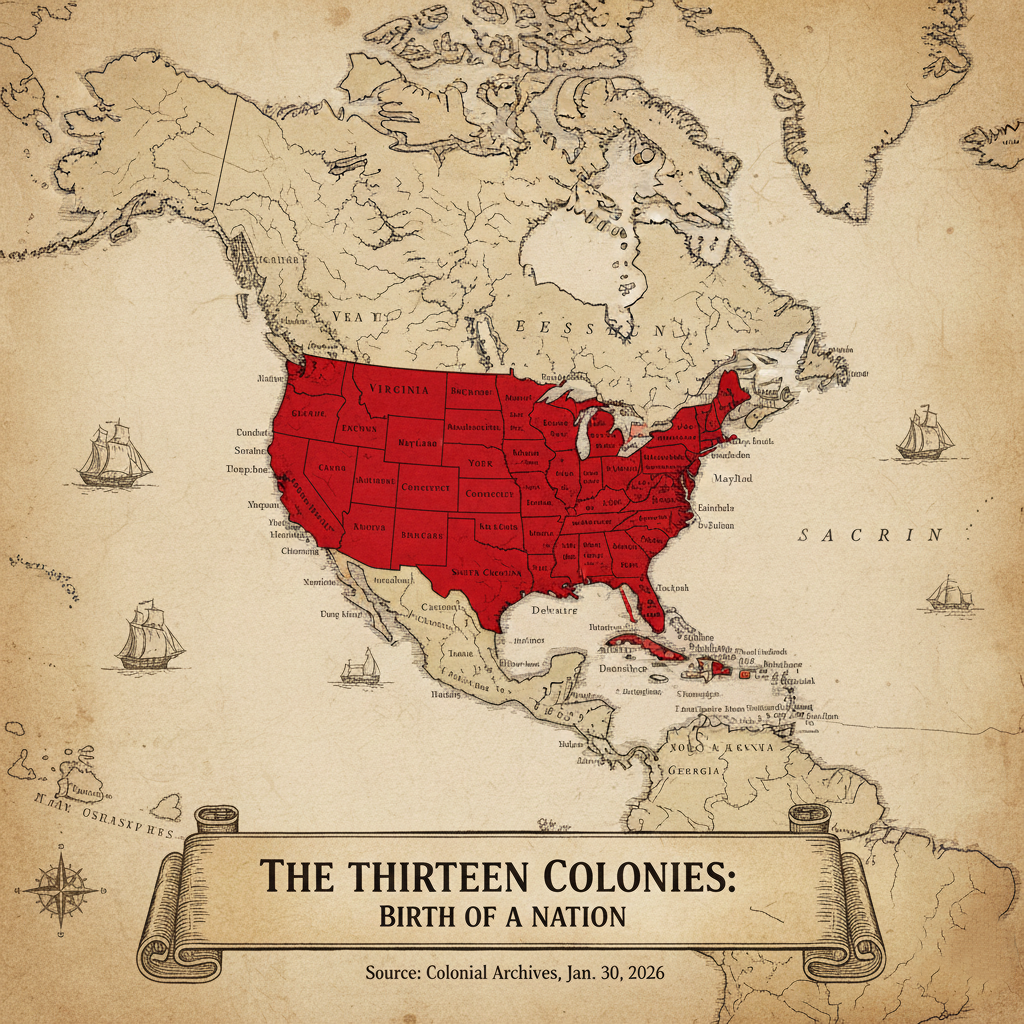
While North America was “discovered” early on, it was largely ignored by European powers for over a century as they focused on gold in the south. The English didn’t successfully colonize until Jamestown was settled, followed by the strict religious pilgrims in Plymouth. By 1754, the population of the British colonies had swelled to over a million, leading to the French and Indian War—a conflict that would change the map of North America forever.
The cost of this victory led Britain to impose heavy taxes on the colonists, sparking the cry of “no taxation without representation.” What began as a disagreement over taxes evolved into a full-scale revolution. On July 4, 1776, the Americans declared their independence, though it took five more years of fighting to truly secure it.
Doubling the Map: The Louisiana Purchase
In the late 1700s, the new nation was struggling under its original government. The Founding Fathers drafted a new Constitution in 1789, creating a federal system that worked. However, the country was still relatively small.
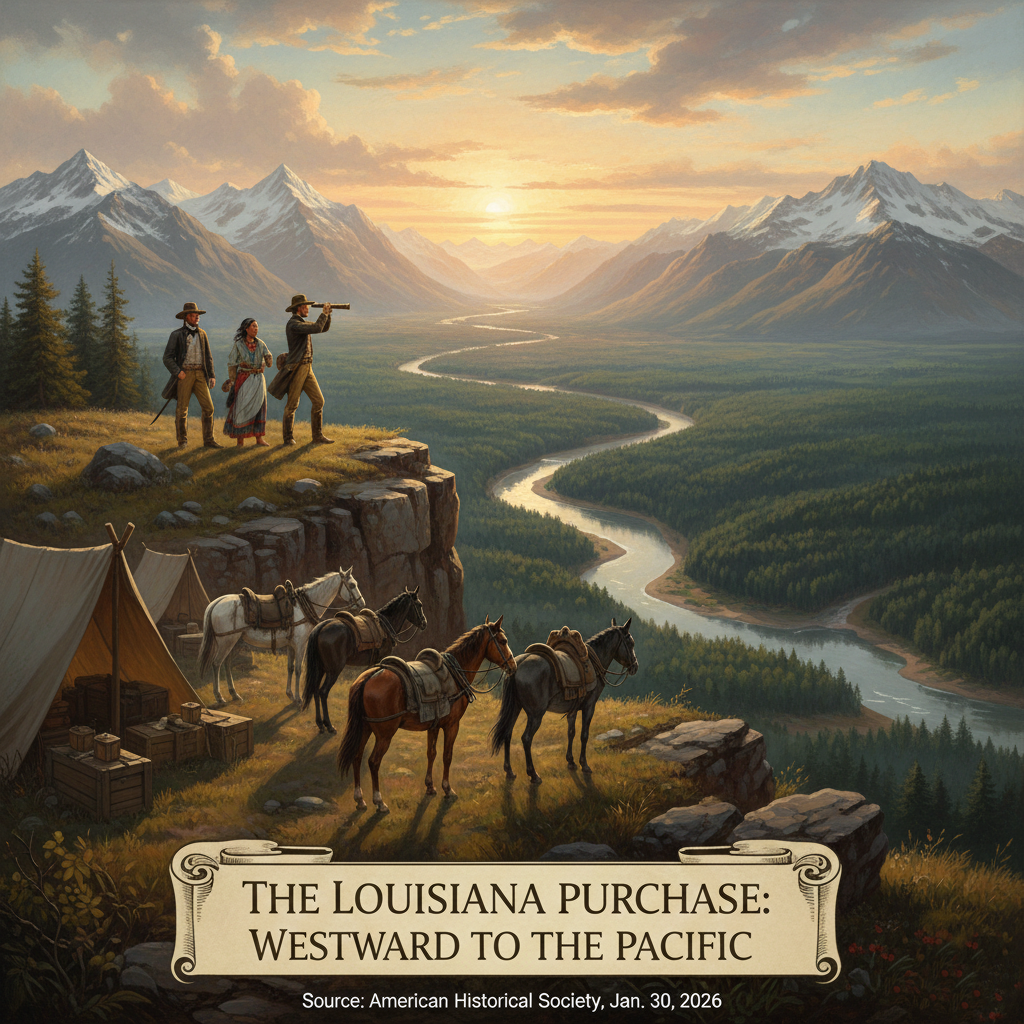
The tide turned when Napoleon Bonaparte, needing funds for his wars in Europe, offered to sell the entire Louisiana territory to the U.S. for $15 million. Overnight, America doubled in size. This triggered a massive westward migration, as families sought new land to accommodate their growing numbers.
From Sea to Shining Sea
The mid-1800s were a period of rapid territorial acquisition. Following the war with Mexico and negotiations with the British over the Oregon territory, the United States stretched from the Atlantic to the Pacific. The discovery of gold in California in 1848 only accelerated this expansion, drawing thousands of people across the continent in search of fortune.
A House Divided: The Civil War
Despite its outward success, America was plagued by the deep internal conflict of slavery. While the North moved toward abolition, the Southern economy remained heavily dependent on slave labor. The election of Abraham Lincoln in 1860 pushed these tensions to a breaking point, leading to a bloody Civil War. The North’s eventual victory reunited the states and freed the slaves, but the scars of the conflict would take generations to heal.

The Global Stage and the Panama Canal
By the end of the 19th century, America began looking beyond its borders. The purchase of Alaska from Russia and the annexation of Hawaii signaled a shift in policy. Following the Spanish-American War, the U.S. gained control of Cuba, Puerto Rico, and the Philippines, effectively ending the Spanish Empire’s presence in the Americas.
Under the energetic leadership of Theodore Roosevelt, America built a world-class navy and completed the Panama Canal in 1914. This feat of engineering allowed the U.S. to move its fleet quickly between the Atlantic and Pacific, cementing its status as a rising global superpower just as World War I was beginning to consume Europe.

A Continuous Evolution
The history of the United States is a testament to the power of adaptation and the complexity of national growth. From a collection of struggling colonies to a continental giant, the American story continues to be written, built on the foundations of those who dared to imagine a new kind of nation.















Leave a comment