



Step 1: Research and Validate the Market
The biggest mistake new authors make is writing about their passion without checking if there is a market for it. If you want a business, not a hobby, you must validate profitability first.
The goal is to identify topics that people are already spending money on. Start by “brain dumping” ideas or using AI to generate 50 potential niches. Once you have a list, go to Amazon and look for the Best Sellers Rank (BSR). Using free tools like “DS Amazon Quick View,” you can see exactly how well a book is selling. Target topics where the top books have a BSR of 80,000 or lower. This confirms that the audience is actively buying and that your book has a high probability of making sales the moment it goes live.

Step 2: Designing Your Transformation
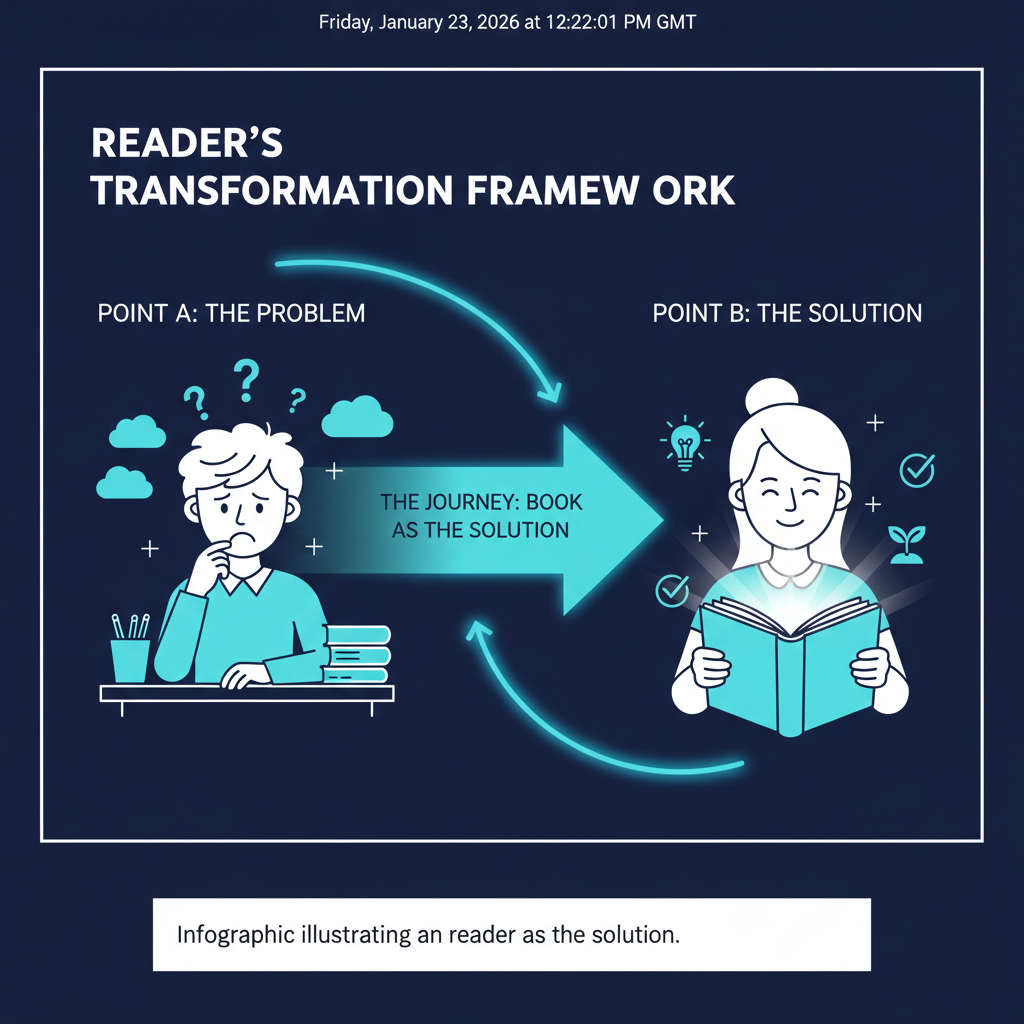
For non-fiction, people aren’t just buying words; they are buying a solution. Your book should take the reader from Point A (a struggle or problem) to Point B (the resolution).
- Outline: Use AI to help structure your chapters based on the 4 to 8 steps needed to achieve that transformation.
- Writing: You can write the book yourself, leveraging AI as a writing assistant, or hire a ghostwriter. Ghostwriting is a common practice among top influencers and professionals who value time over manual labor.
- Title: Avoid being “fancy.” A good title clearly explains the value. “Declutter Your Life in 30 Days” is far more effective than a vague, poetic title because the reader knows exactly what they are getting in one second.
Step 3: The Amazon Advantage
While many creators suggest selling on your own website (like Gumroad or Shopify), for beginners, Amazon KDP (Kindle Direct Publishing) is significantly superior.
Selling on your own site requires you to build the website, handle payment processing, manage customer service, and—most importantly—drive your own traffic. Amazon, on the other hand, is the world’s largest bookstore. By listing there, you tap into millions of shoppers who already have their credit cards ready. Amazon handles the logistics and customer service while you collect a royalty. It’s like setting up a lemonade stand inside Disneyland instead of on a quiet suburban street.
Step 4: Marketing for Momentum
Even though Amazon provides organic traffic, “priming the pump” in the beginning is crucial. You want to show Amazon’s algorithm that your book is in demand so they begin to push it higher in the rankings.
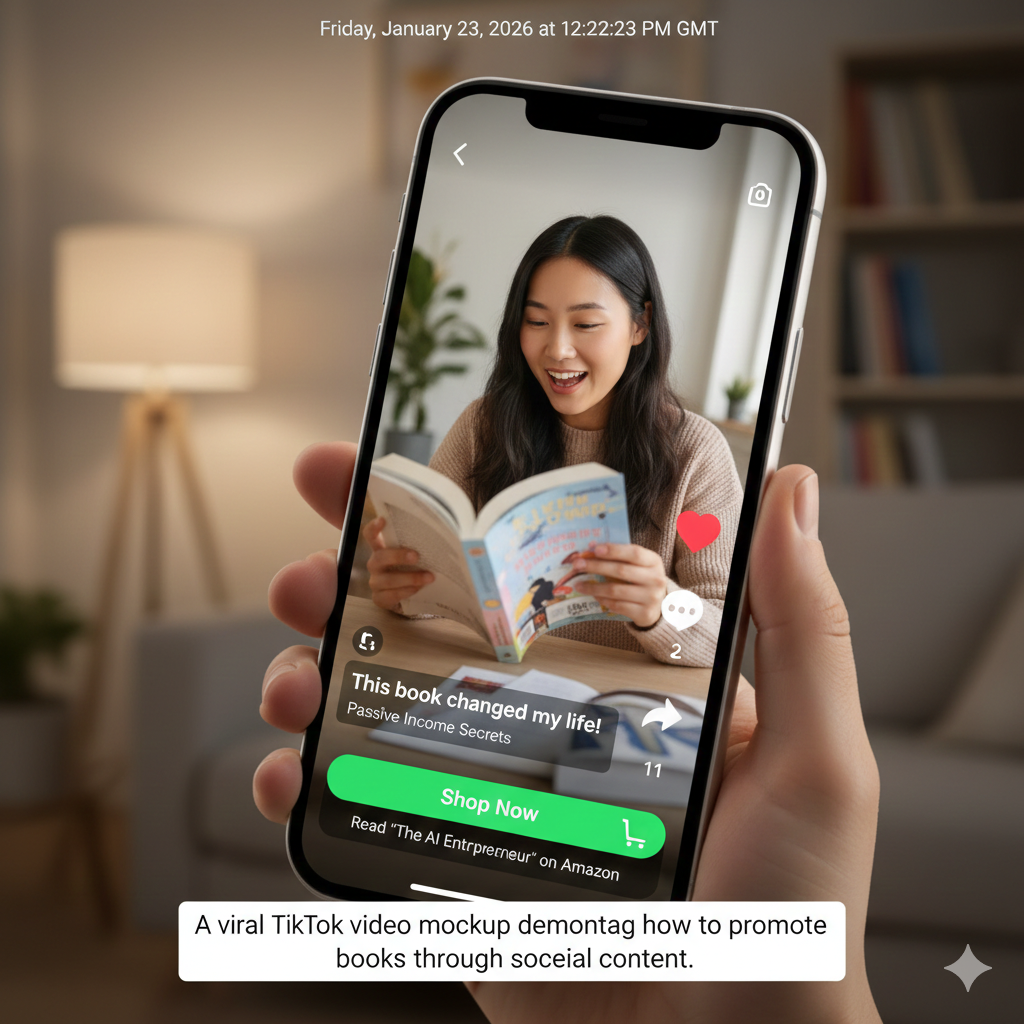
- Social Media: Platforms like TikTok and Instagram have thriving “BookTok” and “Bookstagram” communities. Simple videos—like flipping through a physical copy of your book or reading a single powerful page—can go viral and drive thousands of sales.
- Amazon Ads: This is the most targeted way to find readers. Since people on Amazon are specifically looking for books, your ads are highly effective. You can start with a budget as low as $3 a day and only scale up once you see a return on your investment.
Step 5: Scaling to Seven Income Streams
One book doesn’t have to be just one product. To maximize your profit, turn that single manuscript into multiple income streams:
- eBook: For digital readers.
- Paperback: For those who want a physical copy.
- Hardcover: For a premium feel.
- Audiobook: To capture the growing market of listeners.
- Translations: Convert your book into Spanish, German, or French to reach global markets.
- Bundling: Combine multiple related books into a “box set” or compilation.
- Portfolio Sale: Once you have a collection of books generating monthly royalties, you can sell the entire business. A portfolio of profitable books can be sold for significant multiples, potentially leading to a six- or seven-figure payday.
By following this step-by-step roadmap, you aren’t just writing a book—you are building a digital asset that works for you 24/7.















Leave a comment