


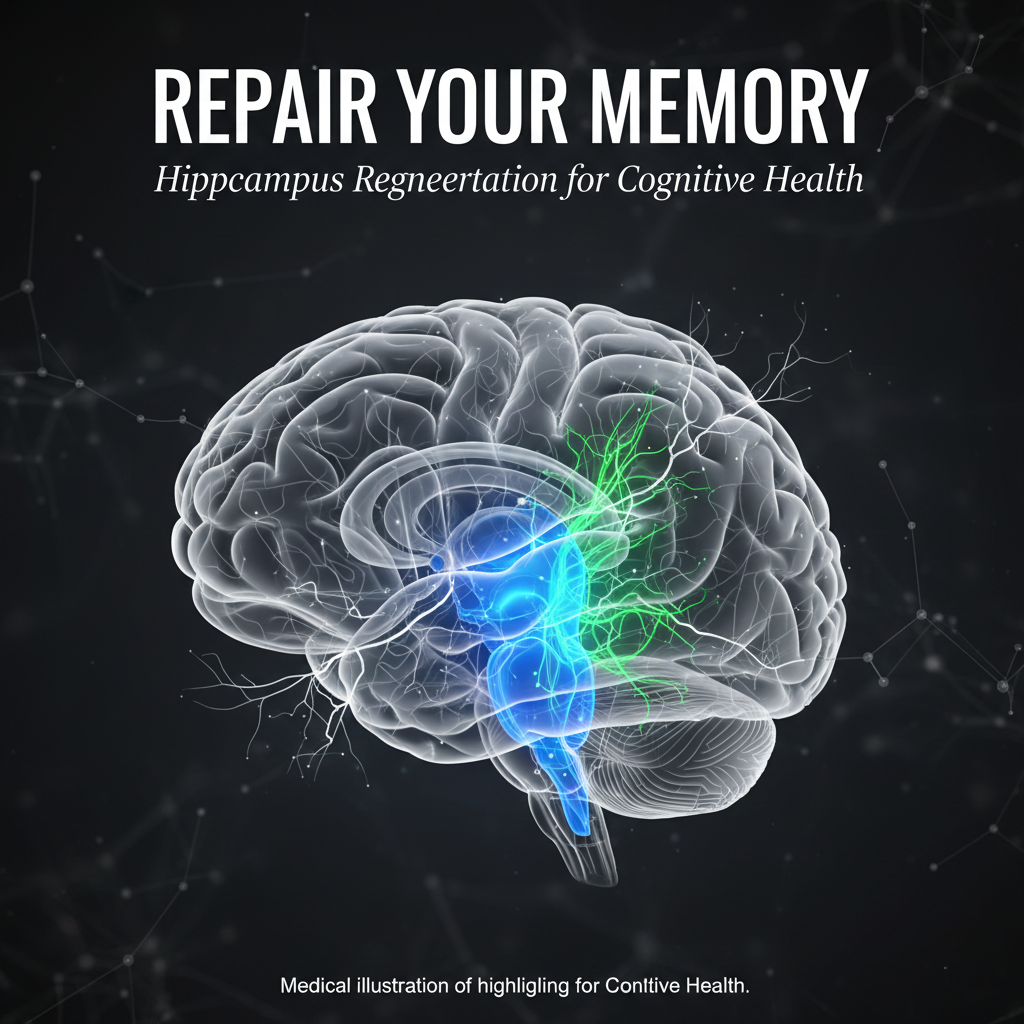
What Damages the Hippocampus?
Before you can repair the damage, you must understand what causes the hippocampus to atrophy. Several lifestyle and biological factors are primary culprits:
- Chronic Stress: High levels of cortisol (the stress hormone) directly cause the hippocampus to shrink over time.
- High Glucose and Carbs: Diabetics and those on high-sugar diets are at a significantly higher risk for hippocampus damage. High blood sugar is toxic to brain tissue.
- Nutritional Deficiencies: Lack of Vitamin B1, Vitamin D, and Zinc can impair the brain’s ability to maintain and repair itself.
- Low Oxygen: Reduced oxygen flow to the brain—whether from a sedentary lifestyle or underlying health issues—starves the hippocampus of the energy it needs.
The Science of Neurogenesis
The most exciting discovery in neuroscience is neurogenesis: the creation of new nerve tissue. Unlike many other parts of the body, the hippocampus can completely regenerate if given the right environment. By stimulating specific growth factors, you can essentially “regrow” the memory center of your brain.
Practical Steps to Repair Your Memory
1. Fuel Your Brain with Ketones
Ketones are the preferred fuel source for the brain, especially the hippocampus. Regeneration is much more difficult when the brain is strictly reliant on glucose.
- Low-Carb Diet: Switching to a ketogenic diet forces the body to produce ketones.
- MCT Oil: Medium-chain triglycerides (MCTs) are rapidly converted into ketones, providing an immediate energy boost for cognitive function.

2. Implement Intermittent Fasting
Fasting is one of the most powerful triggers for BDNF (Brain-Derived Neurotrophic Factor). Think of BDNF as “Miracle-Gro” for your brain; it directly stimulates the birth of new neurons and strengthens existing connections.
3. Prioritize Key Nutrients
- Vitamin D: This is arguably the most critical nutrient for the hippocampus. Ensure you are getting adequate sun exposure or high-quality supplementation.
- Vitamin B1: Vital for protecting the brain from the damage caused by high-carb diets. Nutritional yeast is an excellent natural source.
- Zinc: Necessary for the structural integrity and function of hippocampal neurons. Shellfish and beef liver are rich in this mineral.

4. Increase Oxygen and Reduce Stress
- Consistent Exercise: Physical activity, particularly long walks, increases the flow of oxygen to the brain.
- Stress Management: Actively reducing stress is not just a lifestyle choice; it is a biological necessity for preserving your brain’s volume.
Short-term memory loss does not have to be a permanent sentence. By shifting your diet to include healthy fats and ketones, incorporating fasting, and ensuring your body has the raw materials it needs through proper nutrition, you can take active steps to repair your hippocampus. The brain is remarkably resilient—it just needs the right fuel and the right environment to thrive.










Leave a comment