



We’ve all heard it: 10,000 steps is the magic number for health. But while activity trackers often push this benchmark, the latest research suggests that any increase in your daily step count can yield significant health benefits. Whether you’re walking across a continent like Jean Beliveau or just walking to the grocery store, your body undergoes remarkable transformations with every mile.
Immediate and Long-Term Body Transformations
Walking is a accessible, equipment-free form of exercise that coordinates muscles in your legs, torso, and back.
The Instant Boost: Mood and Stress
A single afternoon stroll can act as an immediate mood lifter. Brisk walking triggers the release of pain-relieving endorphins and curbs cortisol, the primary stress hormone.
The Mid-Term Shift: Heart and Lungs
Within weeks, your body begins to adapt. Your blood vessels are remodeled to deliver more oxygen, and your heart becomes more efficient at pumping blood. This directly translates to lower blood pressure and a reduced risk of heart attack and stroke.
The Long-Term Gain: Bone Density and Longevity
Consistently carrying your body weight while walking places healthy stress on your bones. This stimulates the absorption of calcium and minerals, helping to retain bone density that usually declines with age.
| Benefit | Timeframe | Citation |
| Mood Improvement | Immediate | [01:01] |
| Heart Efficiency | Weeks to Months | [01:41] |
| Bone Strength | Years of Habit | [01:56] |

The Power of a Walkable Neighborhood
Your environment plays a massive role in your health. People living in walkable neighborhoods—where shops and friends are accessible on foot—tend to feel less lonely and more satisfied with life.
Beyond personal health, walkable cities are environmental wins. When residents rely less on vehicles, air quality improves and local greenhouse gas emissions drop. In Vancouver, converting a road into a walkable greenway led to a 23% reduction in daily car trips for nearby residents
Unfortunately, many modern cities prioritize highways over sidewalks, leaving residents without safe places to stroll. In some areas, commercial and residential zones are separated by busy, pedestrian-hostile roadways.
However, small community actions can make a big difference:
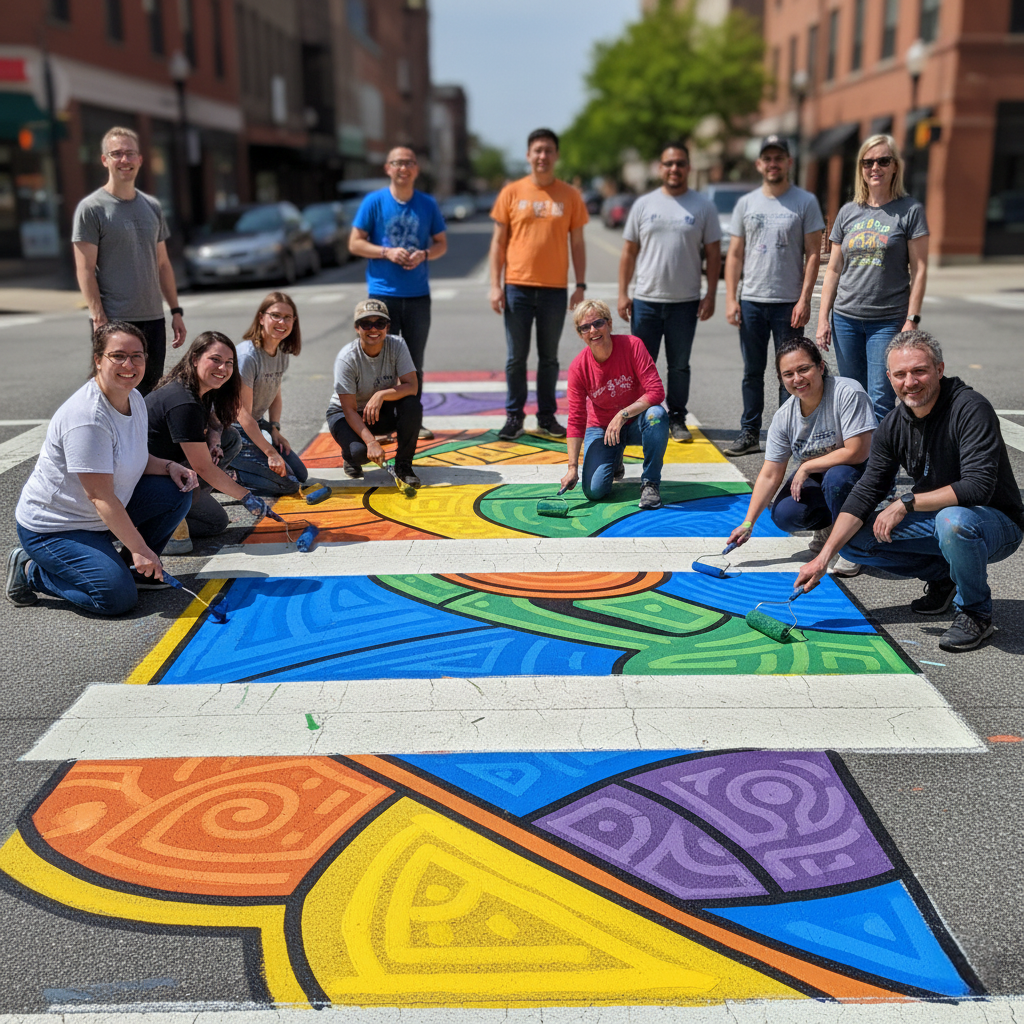
- Painted crosswalks and curb extensions in downtown areas.
- Greenway conversions that turn underused roads into active spaces
Conclusion: Start Where You Are
You don’t need to walk 75,000 kilometers to see an impact. Walking aids in weight management and reduces the risk of type 2 diabetes, dementia, and various cancers. The most important step is the one you take today.














Leave a comment