



You are sitting in a quiet meeting when suddenly—HIC!—your body betrays you. Or maybe you’re driving and your eyelid starts fluttering uncontrollably.
We like to think of our bodies as well-oiled machines, but the truth is, we are full of wiring issues, sensory mix-ups, and ancient reflexes that don’t always make sense in the modern world. These are “Body Glitches,” and while they feel weird, there is usually a fascinating scientific explanation behind them.
Here are 15 of the most common body glitches explained.
The Temperature Glitches
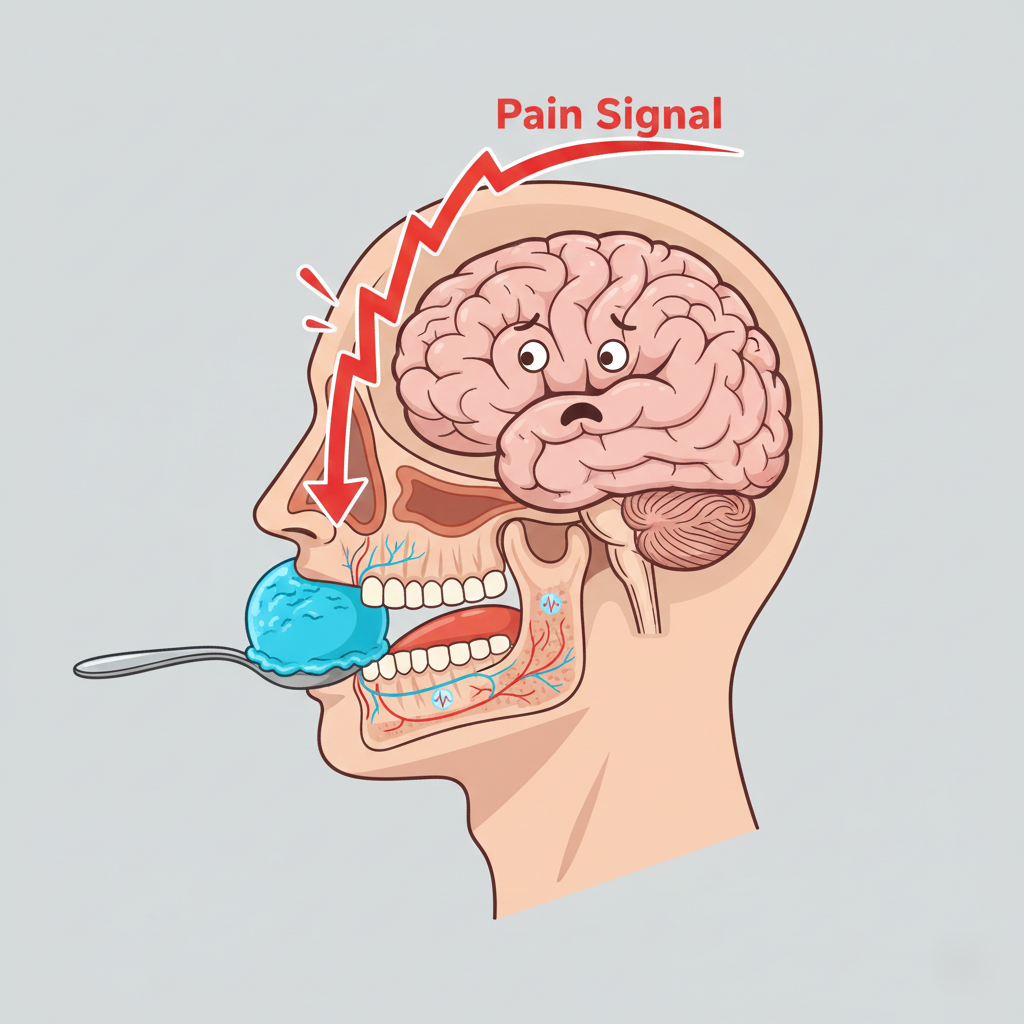
1. Brain Freeze (Sphenopalatine Ganglionalgia)
That sharp pain after eating ice cream? It’s a sensory mix-up.
- ** The Glitch:** Cold touches the roof of your mouth, causing blood vessels to rapidly constrict and dilate.
- The Result: This sudden change tricks your brain into thinking the pain is coming from your forehead, not your mouth. It’s a “referred pain” error.
2. Shivering When Scared
Shivering generates heat, so why do we do it when we’re anxious?
- The Glitch: Your nervous system goes into overdrive. It hits the “fight or freeze” button, triggering defense mechanisms (like muscle spasms to warm up) even if you aren’t physically cold.
3. Goosebumps
Triggered by cold or a great song.
- The Glitch: Tiny muscles called arrector pili contract to pull hair upright. It’s an ancient reflex to make our ancestors look bigger or stay warmer, firing off now purely due to emotional spikes.
4. Teeth Chattering
Like shivering, this is a rhythmic jaw muscle contraction to generate heat. However, strong emotions like fear can also trick the sympathetic nervous system into sending this “warm up” command.
The Sensory Misfires
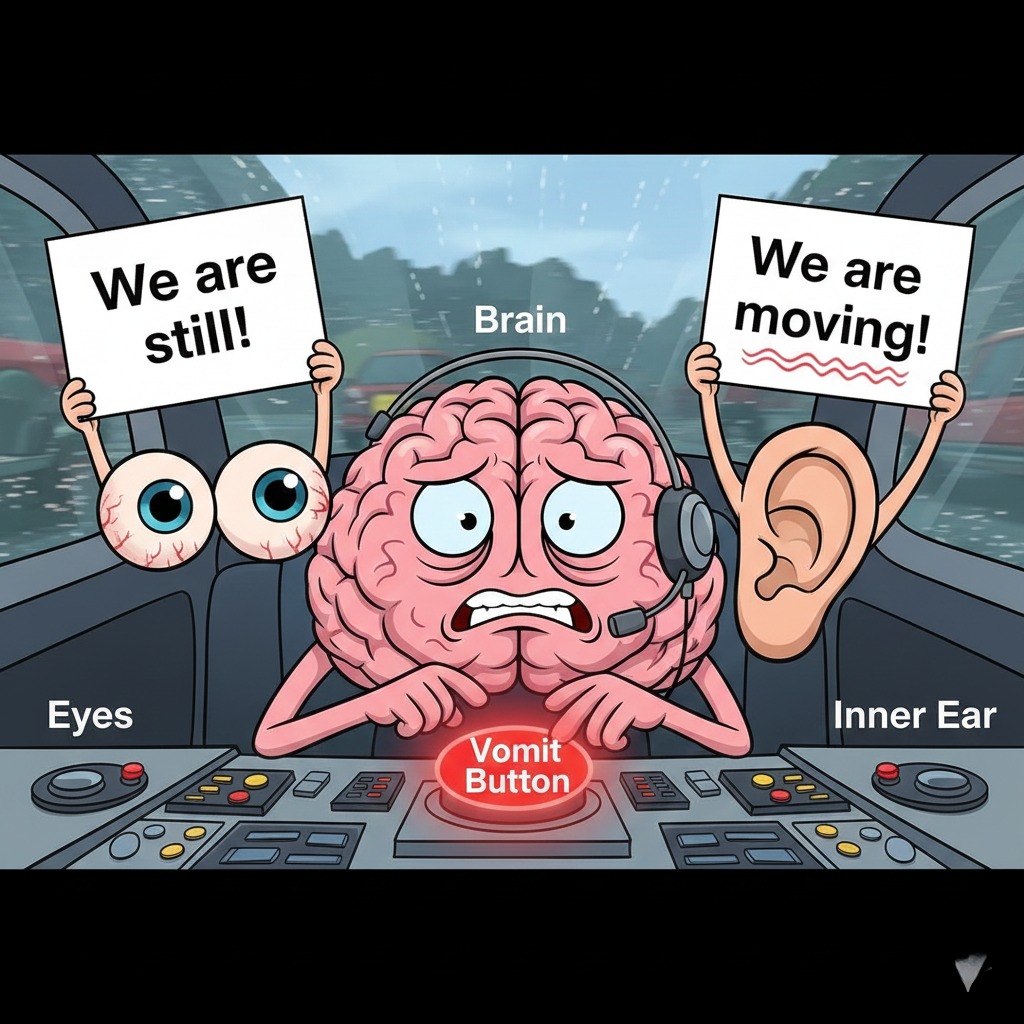
5. Motion Sickness
Why does reading in a car make you nauseous?
- The Glitch: Your senses are arguing. Your inner ear says “We are moving,” but your eyes (locked on a phone) say “We are still.”
- The Panic: Your brain assumes this mismatch means you have been poisoned (a hallucination), so it triggers vomiting to purge the toxin.
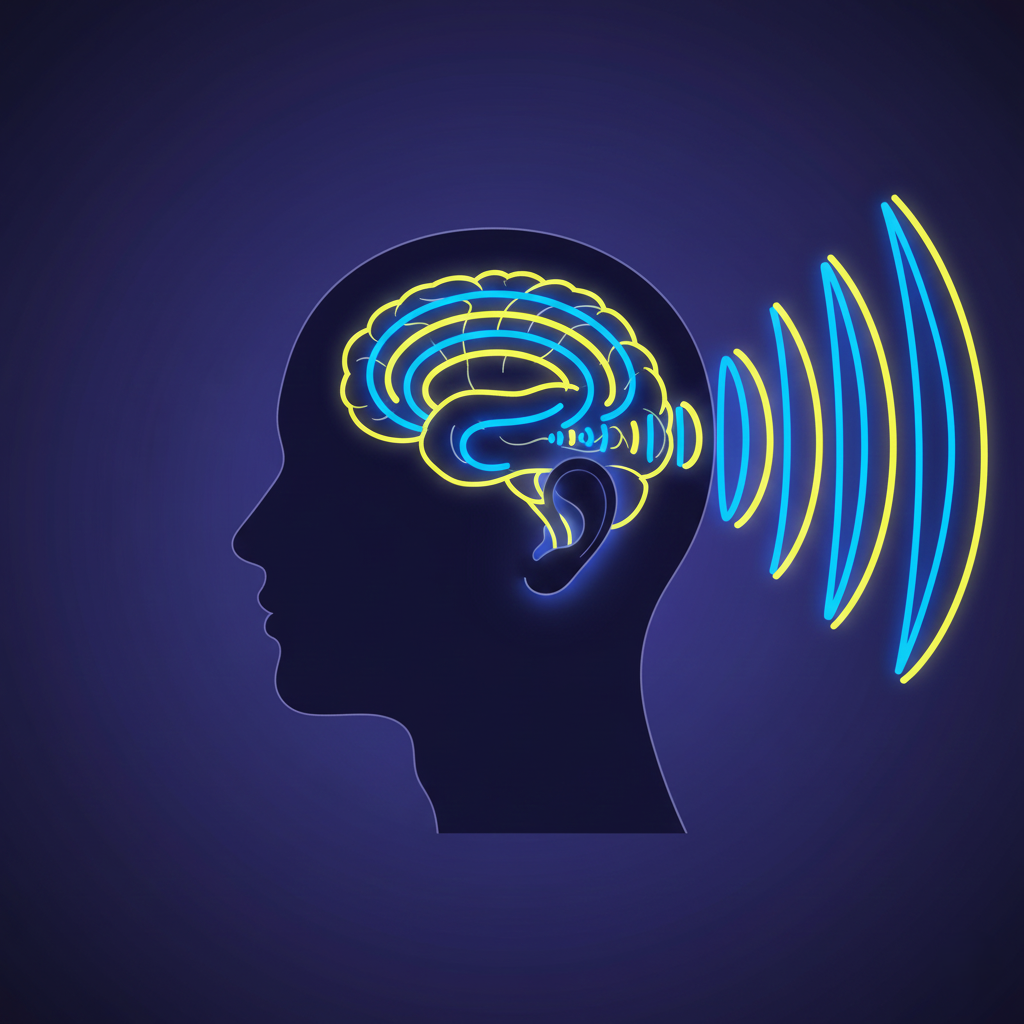
6. Tinnitus (The Phantom Ringing)
Hearing a high-pitched tone in silence?
- The Glitch: It’s not a sound from the outside; it’s your brain generating noise to fill the silence when auditory input is missing or damaged. It’s your brain refusing to play a blank tape.
7. Formication (Skin Crawling)
The feeling of bugs crawling on you when nothing is there.
- The Glitch: A nerve signal misfire caused by anxiety or fatigue. Your brain receives a garbled signal from the skin and interprets it as “bugs” because it doesn’t know what else to make of it.
The Muscle Spasms
8. Hiccups
A spasm of the diaphragm followed by your vocal cords snapping shut.
- The Glitch: A “nervous system hiccup” where the brainstem misfires. It serves no real purpose and is just a rogue signal sent to your breathing muscles.
9. Eye Twitching (Myokymia)
Super annoying and usually harmless.
- The Glitch: Your eyelid nerves are short-circuiting due to fatigue, caffeine, or stress. It’s a sign your facial nerves are “burnt out”.
10. Charlie Horse (Leg Cramps)
- The Glitch: A muscle fires a contraction command and refuses to relax. It’s a communication lock-up often caused by dehydration or electrolyte imbalance.
11. Hypnic Jerk (The “Falling” Sensation)
(Not explicitly in the video but related to muscle twitches).
- The Glitch: Similar to “Fasciculations”, tiny muscle fibers contract without permission. It feels like your muscles are tapping out SOS signals due to fatigue.
The Weird Reflexes
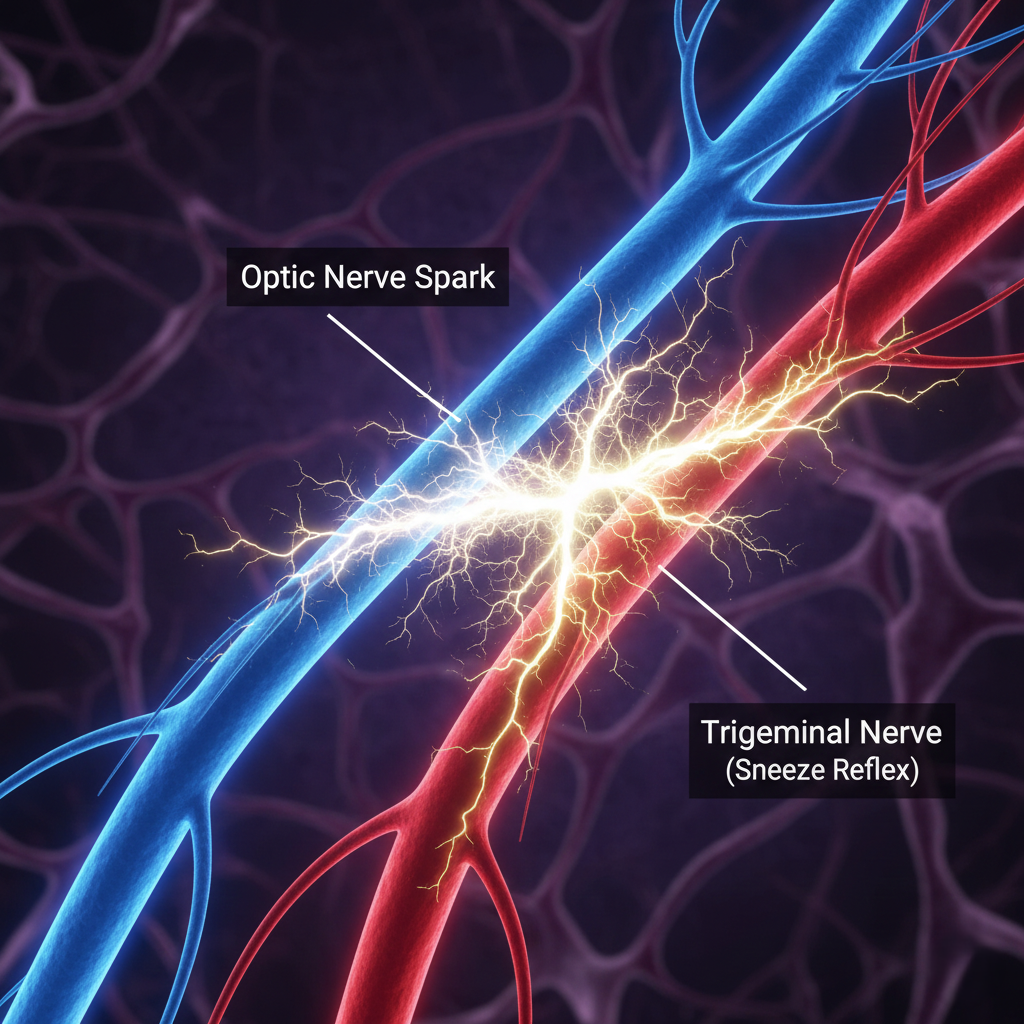
12. Photic Sneeze Reflex (Sunlight Sneezing)
Do you sneeze when you look at the sun?
- The Glitch: About 20-30% of people have this. The optic nerve (sight) and trigeminal nerve (sneeze) are close neighbors. Bright light stimulates the eye, but the signal “leaks” over to the sneeze nerve. It’s a neural crossover.
13. Snatiation (Sneezing When Full)
Sneezing after a big meal?
- The Glitch: A stretched stomach activates the Vagus nerve, which connects the gut to the brain. Sometimes, this signal accidentally crosses wires with the sneeze center.
14. Pins and Needles (Paresthesia)
- The Glitch: When you compress a nerve, signals get blocked. When pressure is released, the disrupted signals rush back all at once, creating a scrambled, static-like sensation while your nervous system “reboots”.
15. Ear Popping
- The Glitch: A pressure regulation failure. Your Eustachian tubes open to equalize pressure (like on a plane), but sometimes they miss the mark or get stuck, leaving you with a pop or muffled hearing.
Conclusion: Be Patient with Your Hardware
Your body is an incredibly complex biological machine running on software that hasn’t been updated in thousands of years. The next time your eye twitches or you get a brain freeze, just remember: it’s not broken, it’s just buffering.











Leave a comment