



Normal vs. Abnormal Memory Loss
Understanding what is “normal” can alleviate much of the anxiety surrounding aging.
- Normal Aging: You might forget a conversation from several months ago or struggle to find the name of an acquaintance.
- Abnormal Loss (MCI or Dementia): This involves forgetting information very rapidly (within minutes or a day) or forgetting the names of people you know very well.
Regardless of where you fall on this spectrum, compensatory strategies—alternative tools or actions—can help you complete daily activities more effectively.
Internal Strategies: Training Your Brain
Internal strategies are mental techniques you can use to encode and retrieve information.
- Repetition and Spacing: Rehearse information but space out the recall periods (e.g., remember it now, then in 5 minutes, then in an hour).
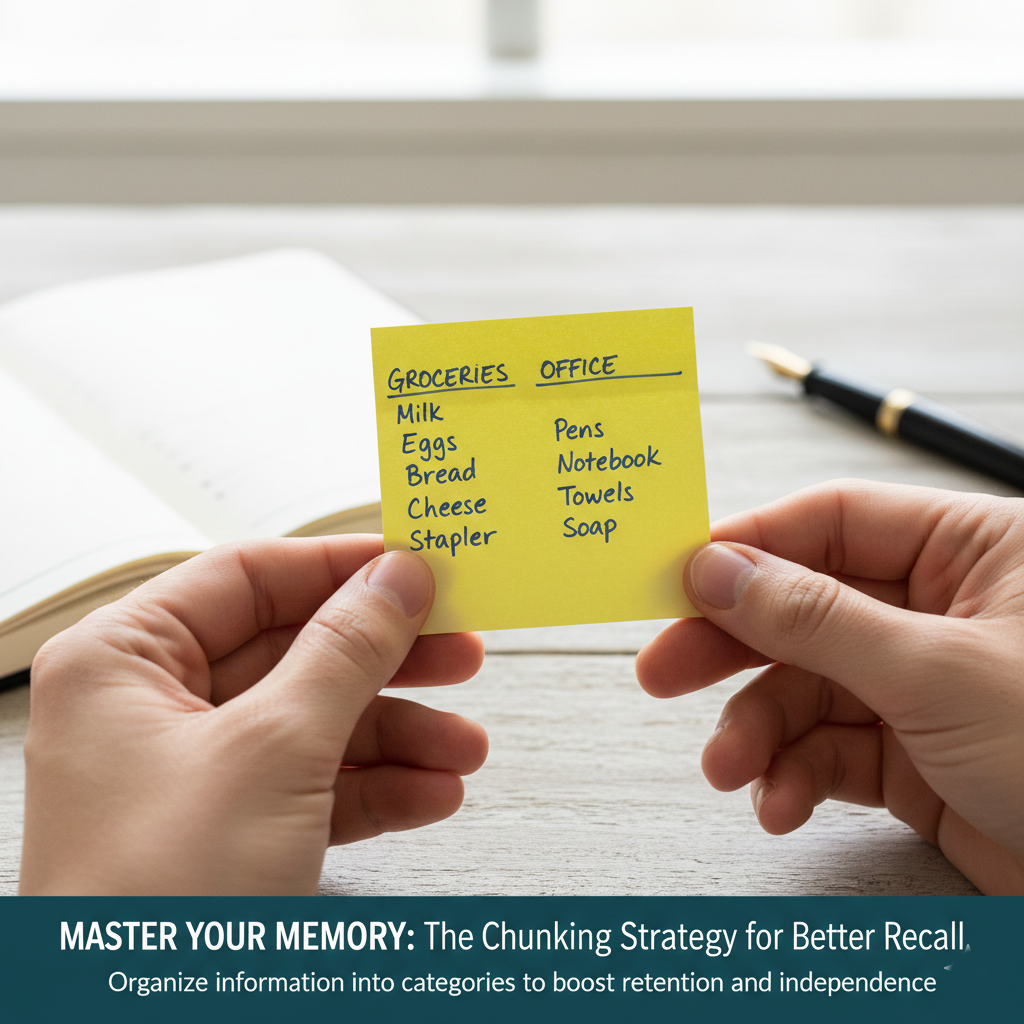
- Chunking: Your brain loves categories. Instead of memorizing a list of ten random items, group them into three broad topics like “animals,” “tools,” and “food.”
- Visualization: Create a “Memory Palace” by imagining a familiar space, like your home, and “placing” items you want to remember in specific rooms. The more “silly” or outlandish the mental image (like a bird riding a dog), the easier it is to remember!
- Face-Name Pairing: When meeting someone new, link their name to a physical feature or an interesting fact. For example, “Ivan Gray has gray hair.”
External Strategies: Leveraging Technology
As we age, internal strategies can become more effortful. This is where external tools become essential.
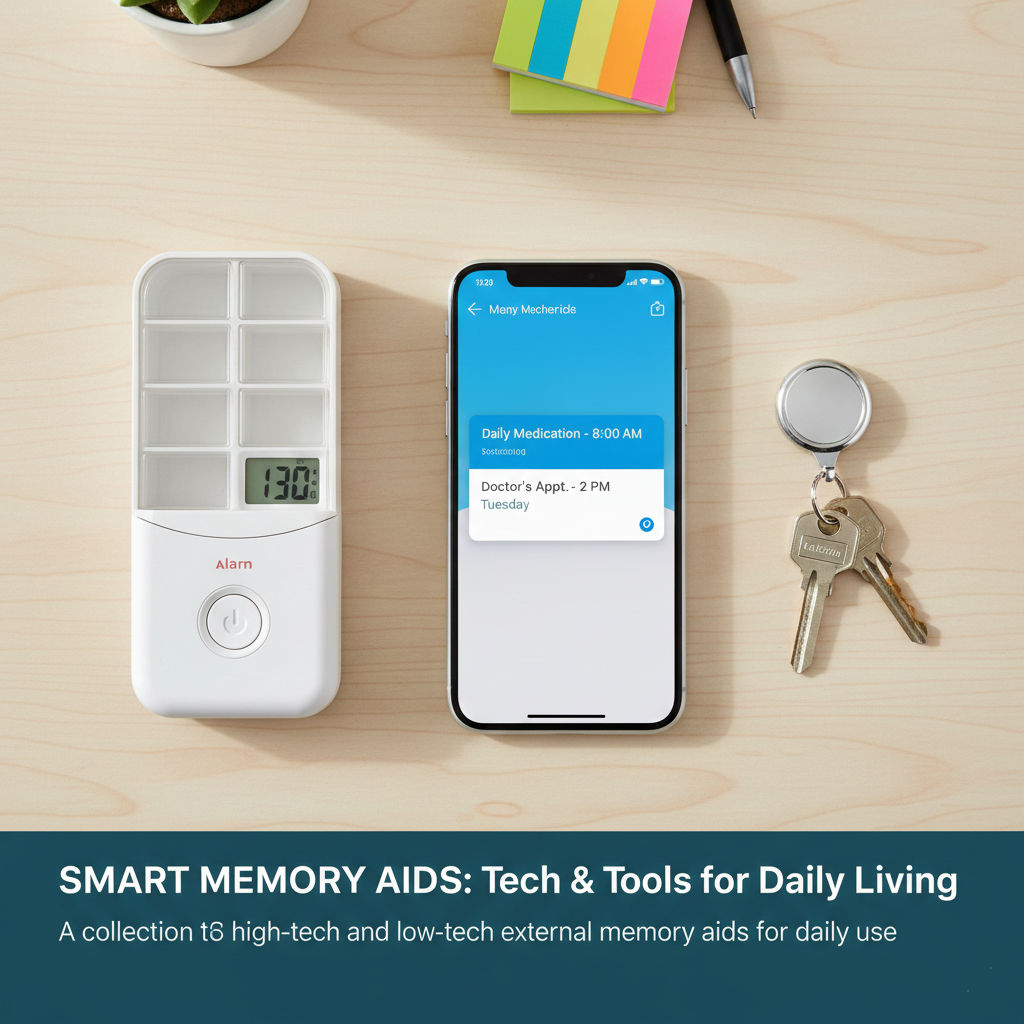
- Low-Tech Tools: Sticky notes, calendars, and pillboxes remain effective for many.
- High-Tech Solutions: * Alarms: Perhaps the most powerful tool available. Use your phone to set reminders for medications, appointments, and even to check if you locked the door.
- Object Locators: Small devices (like Tiles or AirTags) can be attached to keys or wallets and “pinged” from your phone when lost.
- Smart Home Tech: Smart locks allow you to check remotely if your door is locked, reducing the stress of “did I forget?”
Task Modification and Environment
Sometimes the best strategy is changing the task itself rather than trying to remember it better.
- The “Home” Method: Assign a specific, permanent spot for your keys, phone, and wallet.
- Simplify: Break down large, complex tasks into smaller, manageable steps.
- Reduce Distractions: Focus is the gateway to memory. If you aren’t paying attention (attending) to a name when you hear it, your brain can’t store it. Practicing mindfulness can help improve this initial attention.
The Power of Support
Using these strategies isn’t a sign of “losing your brain”—it’s a proactive way to stay functional and independent. Research shows that individuals with mild cognitive impairment who use these tools can often perform daily tasks just as well as those with healthy cognitive ag











Leave a comment