


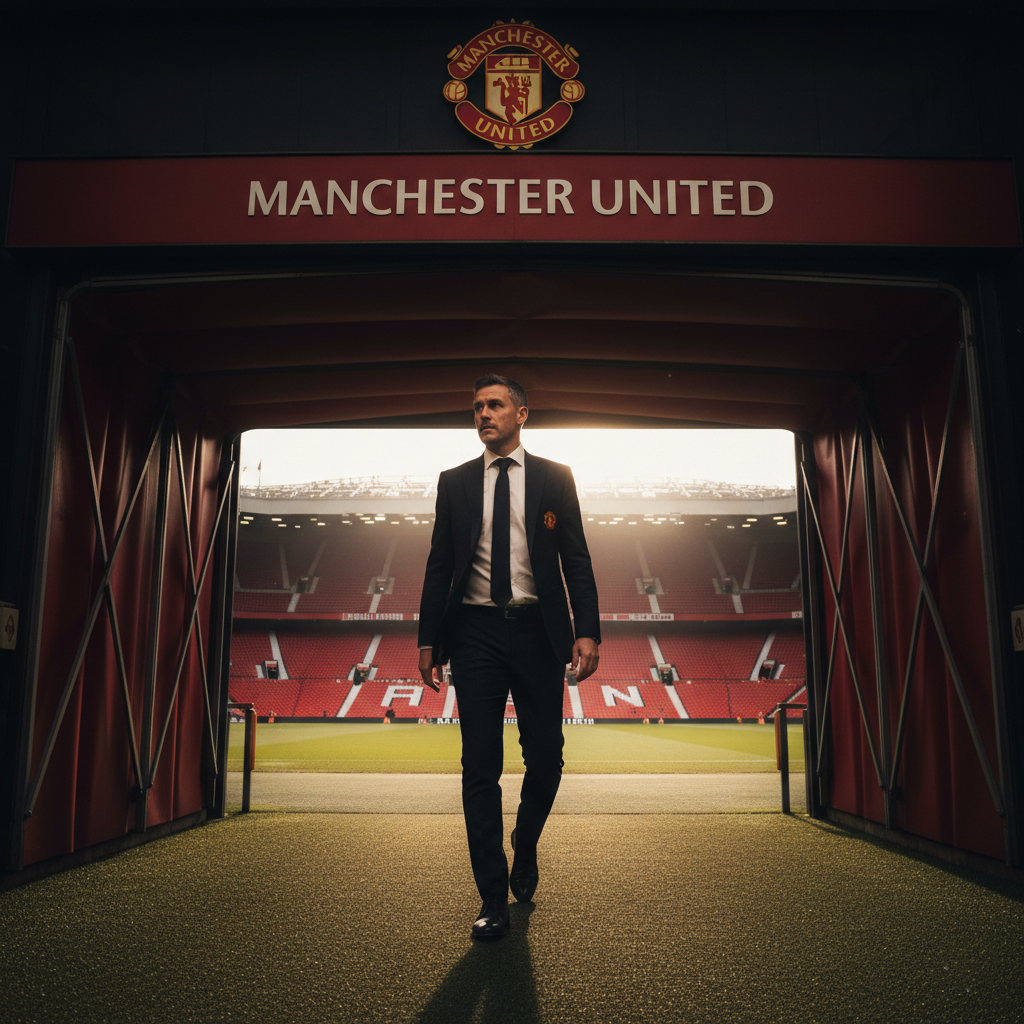
The red side of Manchester is once again in a state of transition. With the recent departure of Ruben Amorim, the board has turned to a familiar face to steady the ship: club legend Michael Carrick. As the dust settles on this interim appointment, fans and pundits alike are asking if this is a mere stopgap or the beginning of a new era at Old Trafford.
The Legend Returns: Why Carrick?
Appointing Michael Carrick is widely viewed as a “sensible” move by a board currently under immense pressure. Carrick isn’t just a former player; he’s a coach who has earned his stripes. After a successful stint at Middlesbrough and previous experience as an assistant under Ole Gunnar Solskjaer, he understands the weight of the Manchester United badge.
His return brings a sense of calm to a dressing room that has seen its fair share of unrest. By bringing in his own high-quality staff, Carrick is signaling that while he may be an interim, his approach will be nothing short of professional and elite.
Tactical Shift: The End of the Back Three?
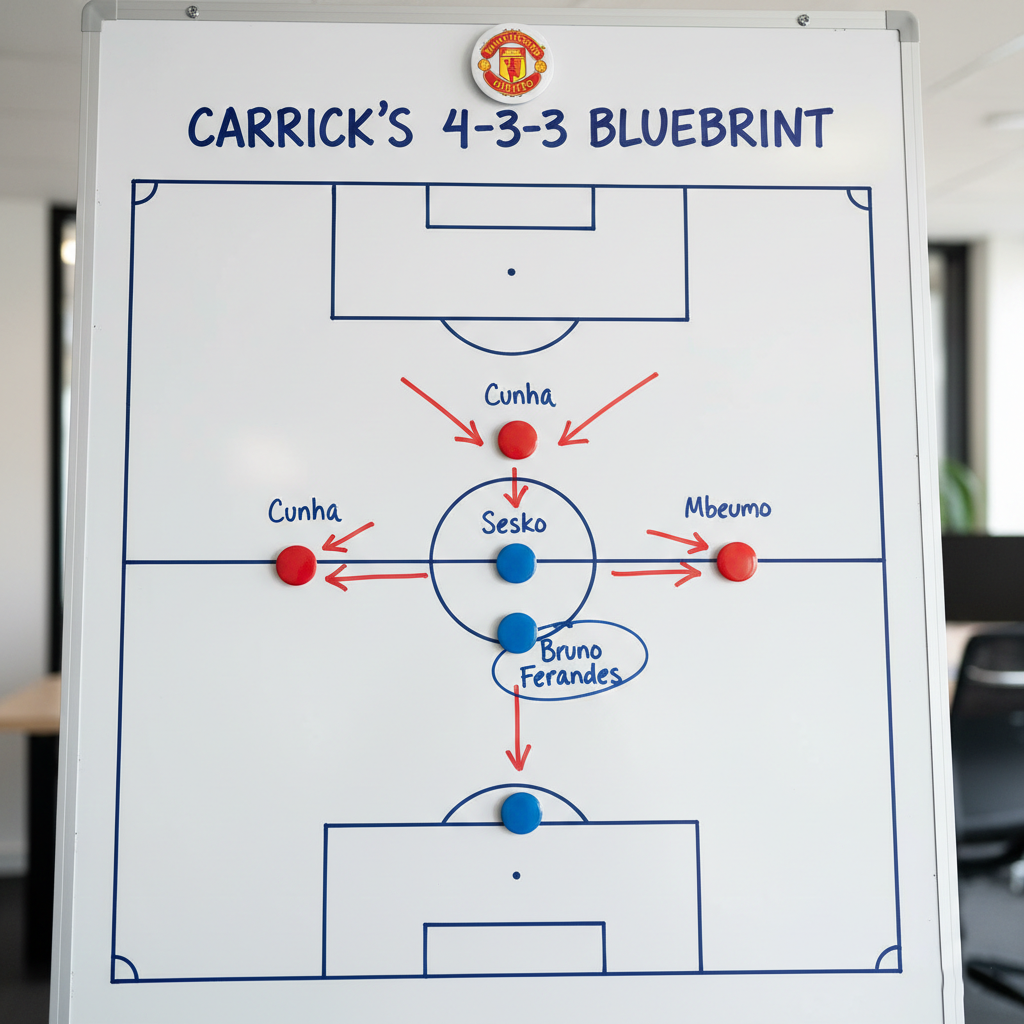
One of the most immediate points of discussion is how Carrick will set up his side. While Ruben Amorim was known for his structured three-at-the-back system, Carrick is expected to revert to a more traditional 4-3-3 formation, a system he favored during his time at Middlesbrough.
This shift suggests a move toward a more expansive, attacking style of football. It raises questions about the roles of key defensive players, such as whether Luke Shaw will reclaim a spot at left-back and where Diogo Dalot fits into a back four.
Unlocking the Attack: Cunha, Sesko, and Mbeumo
Manchester United’s attack has shown flashes of brilliance but has lacked consistent lethality. Carrick’s primary mission will be to maximize the output of the club’s offensive weapons. Pundits are eager to see how he integrates talents like Matheus Cunha, Benjamin Sesko, and the returning Bryan Mbeumo.
The role of Bruno Fernandes also remains a key talking point. Will he be deployed as a traditional number 10 to pull the strings, or will he drop deeper into a central midfield role? With players like Amad Diallo returning to fitness, Carrick faces the “good problem” of having too much quality to fit into one starting eleven.
Working Under the Structure
The reason behind Ruben Amorim’s departure was largely attributed to the club’s new, rigid leadership structure. For Manchester United to move forward, the hierarchy needs a head coach who is comfortable working within these defined parameters.
Carrick, having been part of the club’s fabric for years, may be the perfect candidate to bridge the gap between the board’s vision and on-field results. If he succeeds, the board might find themselves in a similar position to the one they faced with Solskjaer—forced by results to consider a permanent appointment.
The Ultimate Litmus Test: City and Arsenal
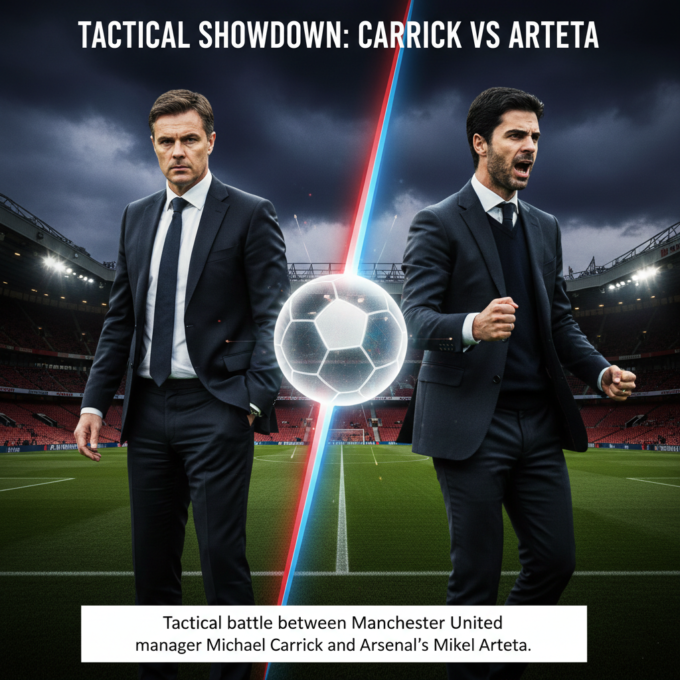
Carrick won’t have the luxury of a “soft” start. His first major tests come in the form of a Manchester Derby against Man City, followed by a clash with Arsenal. While some view these as “free hits” where the pressure is off, others argue that United, currently sitting 7th and within touching distance of the Champions League spots, cannot afford to drop points. These games will be a baptism by fire that determines if Carrick can truly inspire this squad to reach the next level.









Leave a comment