


The Rise of Mojtaba Khamenei
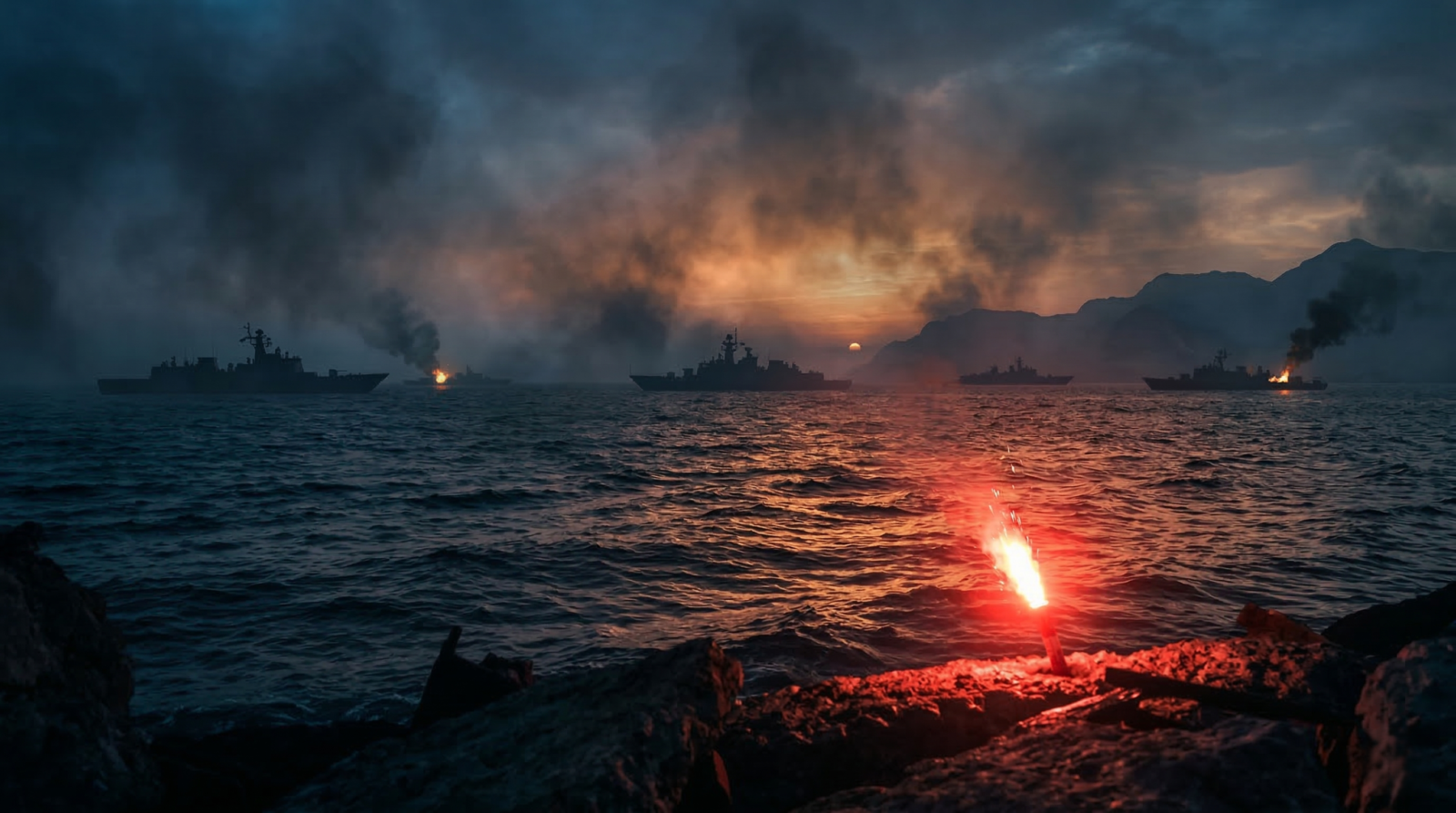
The world heard from the new Supreme Leader of Iran for the first time following his recent appointment. In a powerful written statement relayed by state television, Mojtaba Khamenei has moved the regime from the shadows into a direct confrontation. His message was clear: “missiles of vengeance” have been launched, and the demand of the Iranian people is a defense that makes the enemy “regret its actions.”
This transition marks a significant escalation. Khamenei has vowed to avenge the estimated 1,300 Iranians killed since the conflict began 13 days ago. His presence now looms over the region, directing the Revolutionary Guard Corps in operations that have already begun to physically embody his rhetoric.
The Strategic Chokehold: Strait of Hormuz
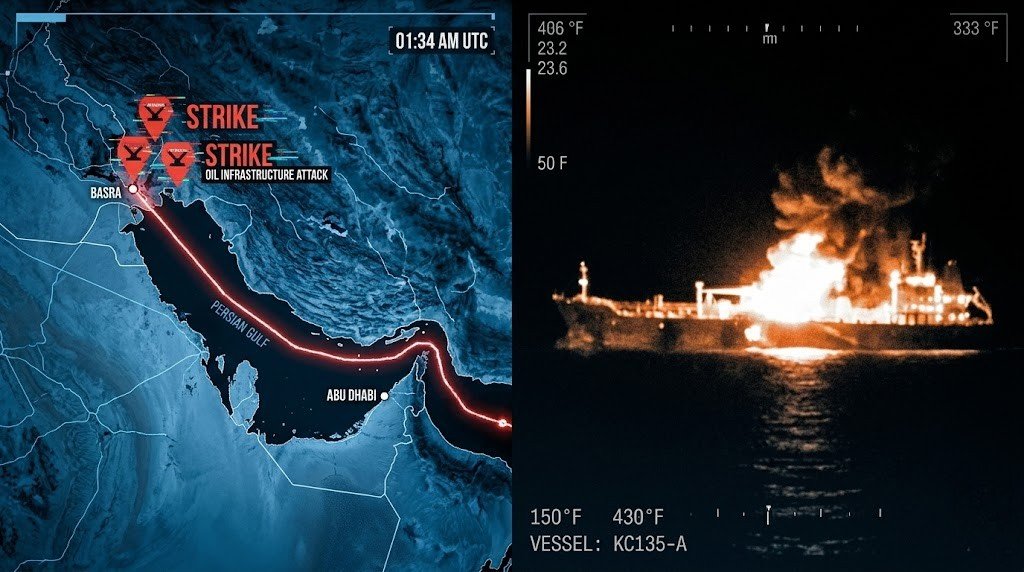
Central to Iran’s strategy is the ongoing blockade of the Strait of Hormuz. As a crucial shipping lane for the international oil industry, the blockade is designed to choke the global supply. Over the past few weeks, there have been 16 reports of attacks on vessels, including a recent strike on two tankers south of Basra in Iraqi territorial waters. These projectiles caused massive blazes and have sent international oil prices soaring overnight.
Diplomacy and Self-Defense in the Gulf
The United Arab Emirates (UAE) finds itself drawn into a conflict it once sought to mitigate through diplomacy. Once active peacemakers, the UAE is now engaged in “collective self-defense.” Iranian strikes have moved beyond oil infrastructure to target pillars of the UAE economy, including tourism and transportation hubs in Dubai.
In response to the tension, the UAE has implemented strict legislation regarding the sharing of information. Authorities have warned that filming or sharing unauthorized footage of missile or drone interceptions can lead to severe legal consequences, including jail time. This has already resulted in the detention of at least one foreign national, highlighting the “extraordinary measures” being taken to maintain credible information and public safety during the crisis.
A Nation in Flight: The Refugee Crisis
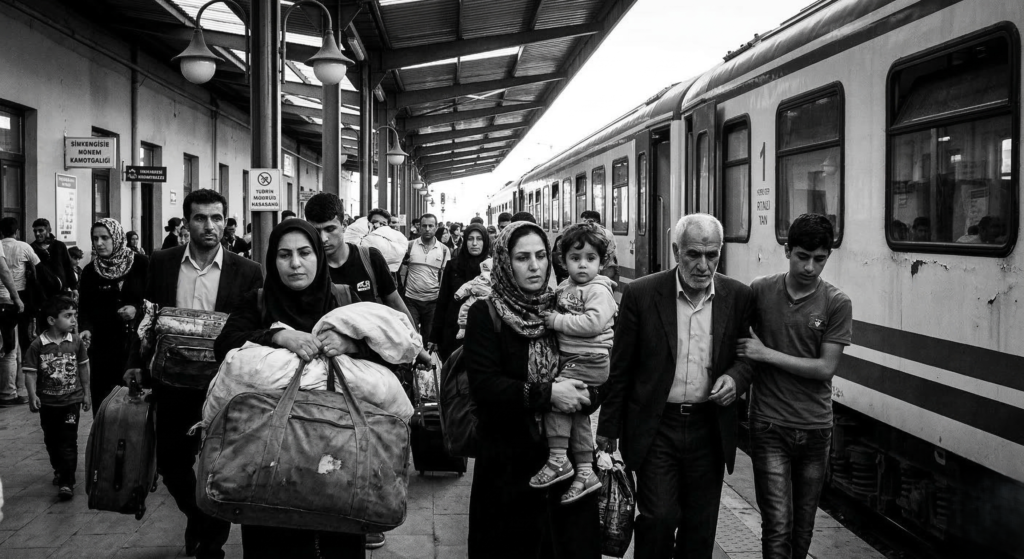
The human cost of the joint US and Israeli military campaign is staggering. According to the United Nations Refugee Agency, an estimated 3.2 million people have been displaced within Iran. Many are fleeing across borders, with families enduring 26-hour train journeys to reach safety in neighboring countries like Turkey.
Those who escape describe a harrowing environment of midnight bombings and a lack of facilities to protect civilian lives. While some remain optimistic about a future return to a “beautiful country,” many others live in fear of reprisals even after leaving Iranian soil.
The Second Front: Lebanon and Hezbollah
While the primary campaign targets Tehran, a second front is intensifying in Lebanon. Israel has issued unprecedented evacuation warnings, telling hundreds of thousands of residents south of the Zarani River to leave their homes immediately.
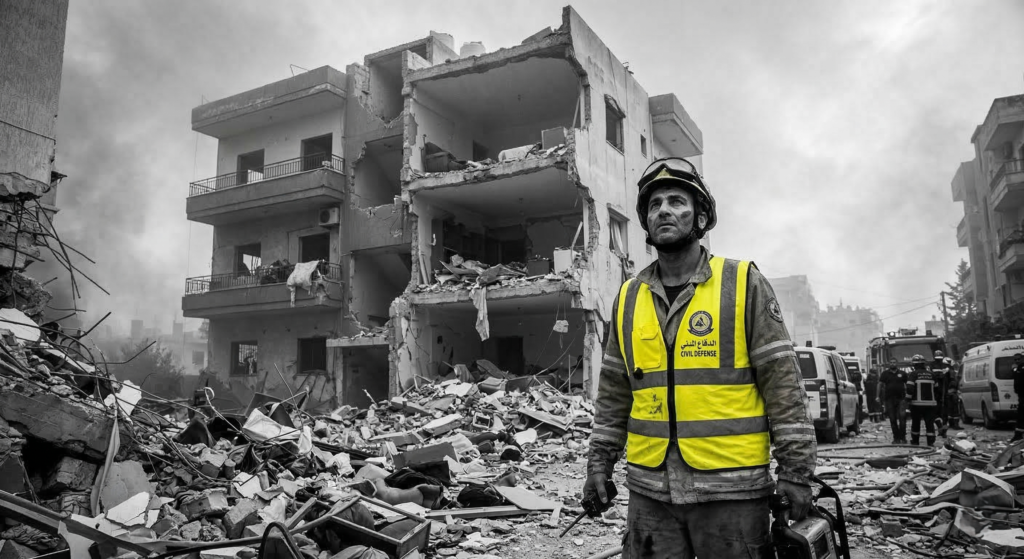
Towns like Nabatia are being “pummeled” by daily air strikes. Civil defense units are working under extreme danger to reach survivors in residential buildings, while hospitals wait to receive the influx of dead and injured. Despite the warnings, many residents—including the elderly and those with limited mobility—remain trapped in the rubble of their own homes, frozen by the speed and intensity of the violence.
A Global Power Shift
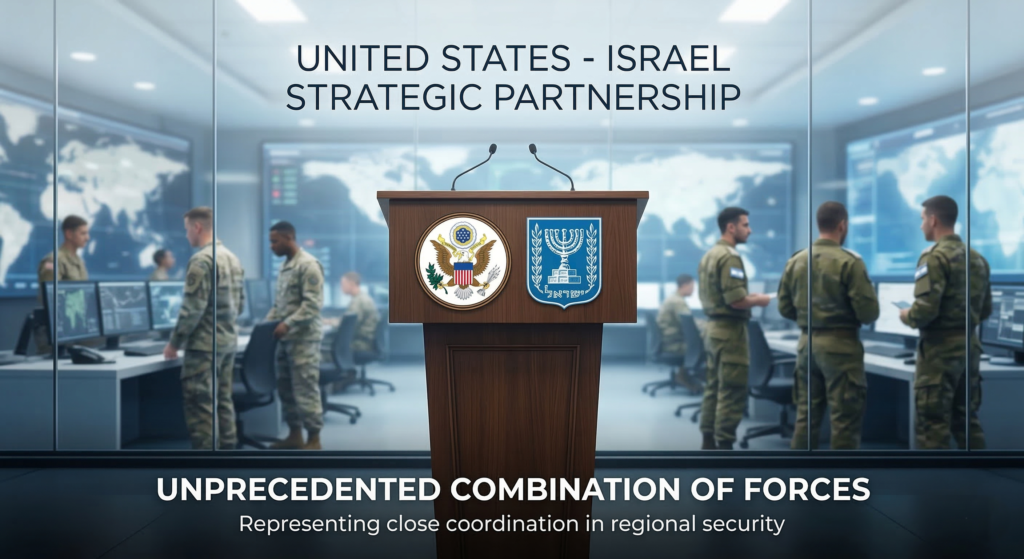
In Washington and Jerusalem, leadership remains defiant. Israeli Prime Minister Benjamin Netanyahu claims the military campaign is “changing the balance of power in the Middle East,” while Donald Trump asserts that Iran is “paying a big price” for its actions.
However, the war is far from controlled. The loss of a US refueling aircraft over western Iraq—though not attributed to hostile fire—and the high number of wounded service personnel suggest a conflict that is rapidly evolving beyond initial projections.
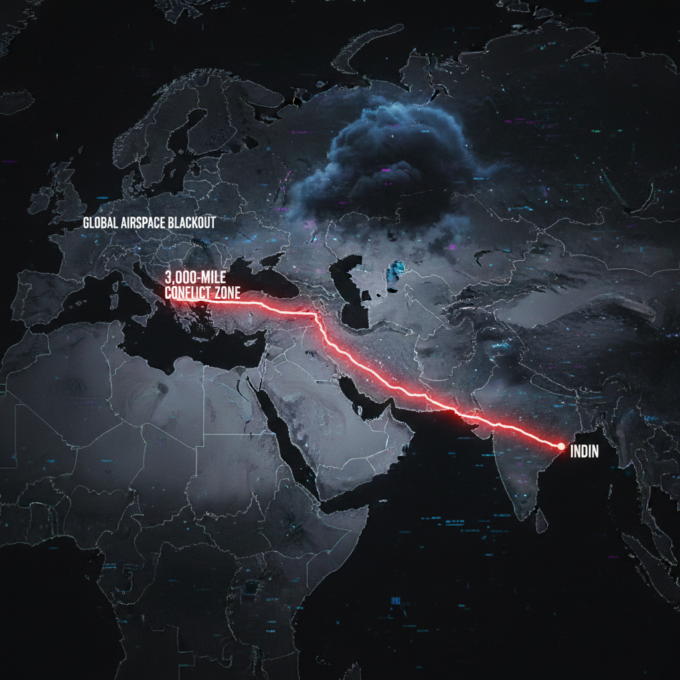
As the Middle East war enters its third week, the rhetoric of vengeance and the reality of blockades are redrawing the map of the region. With millions displaced and global energy markets in turmoil, the world watches to see if diplomacy can find a foothold or if the call to arms will continue to drive the neighborhood of peacemakers into a wider, more devastating conflict.











Leave a comment