


In 2026, being a successful graphic designer is no longer just about knowing the tools—it’s about mastering the mindset. The secret to creating impressive design isn’t being an expert, but simply understanding a few key concepts.
Here is a clear, five-step path to not only get you started but to help you thrive in this ever-changing world of design.
Step 1: Master the Design Principles (The Foundation)
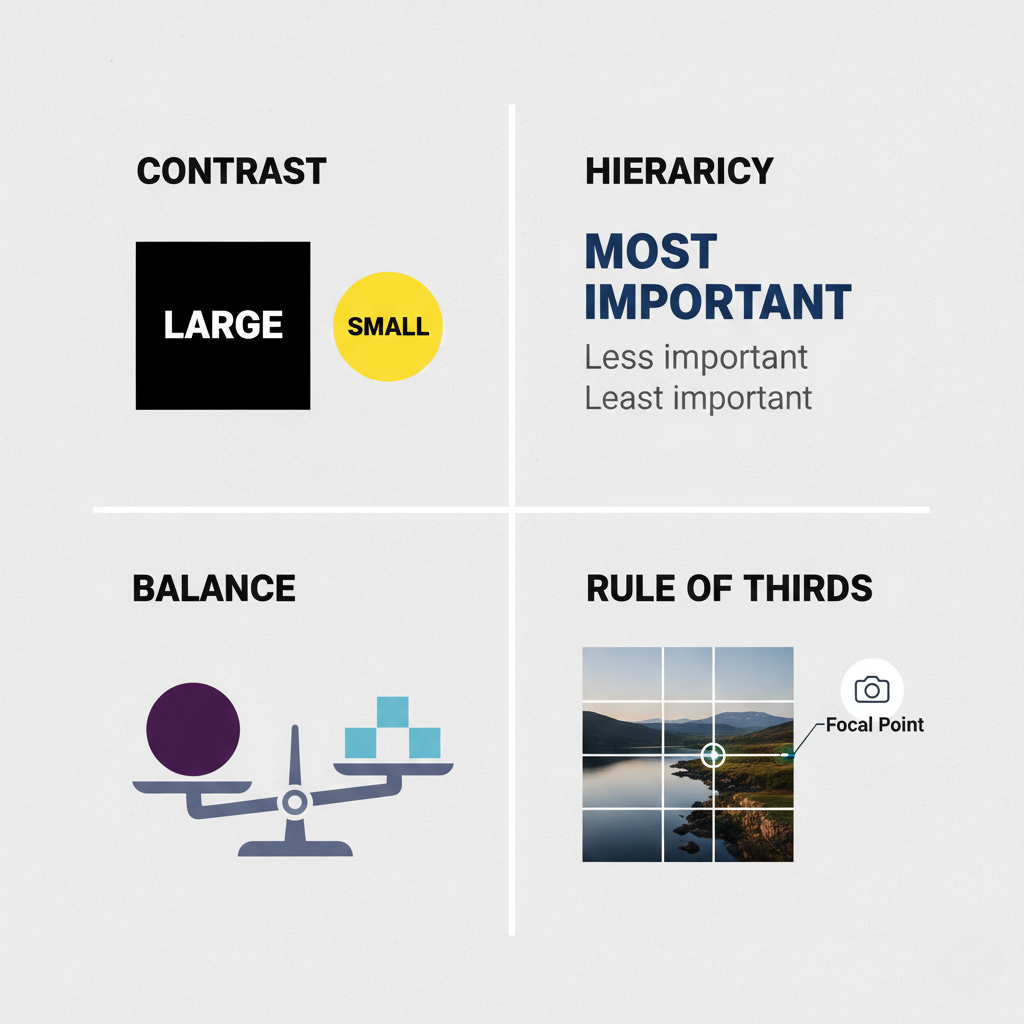
This is the most crucial step and cannot be stressed enough: learn the design principles. This means moving beyond memorizing definitions and learning how to see them at play in actual designs.
Key Principles to Research:
- Rule of Thirds
- Balance
- Hierarchy
- Contrast
- White Space
Pro Tip: Use AI for Accelerated Learning
To speed up your learning, use modern tools in a strategic way:
- Ask ChatGPT to explain each graphic design principle and provide a real-life design example to illustrate it.
- Search sites like Pinterest or Behance for relevant designs (e.g., poster designs) to observe principles like contrast in action. The more you do this, the more your design awareness will grow.
Step 2: Choose Your Tools Strategically (The How-To)
The truth is, the tool doesn’t make the designer. You could have the fanciest software, but without knowing how to use it strategically, it’s useless.
Pro Tip: Avoid Burnout
- Start Small: Do not try to learn four, five, or six programs at once. Begin with just one, or maybe two at a stretch.
- Match to Discipline: Choose software based on what part of design you are most drawn to:
- Logo Design: Adobe Illustrator or Affinity Designer (Vector-based programs)
- Image Manipulation: Adobe Photoshop (Raster-based programs)
If you can use a vector program and a raster program comfortably, you are generally equipped to work on most projects.

Step 3: Study the Greats (Reverse Engineering)
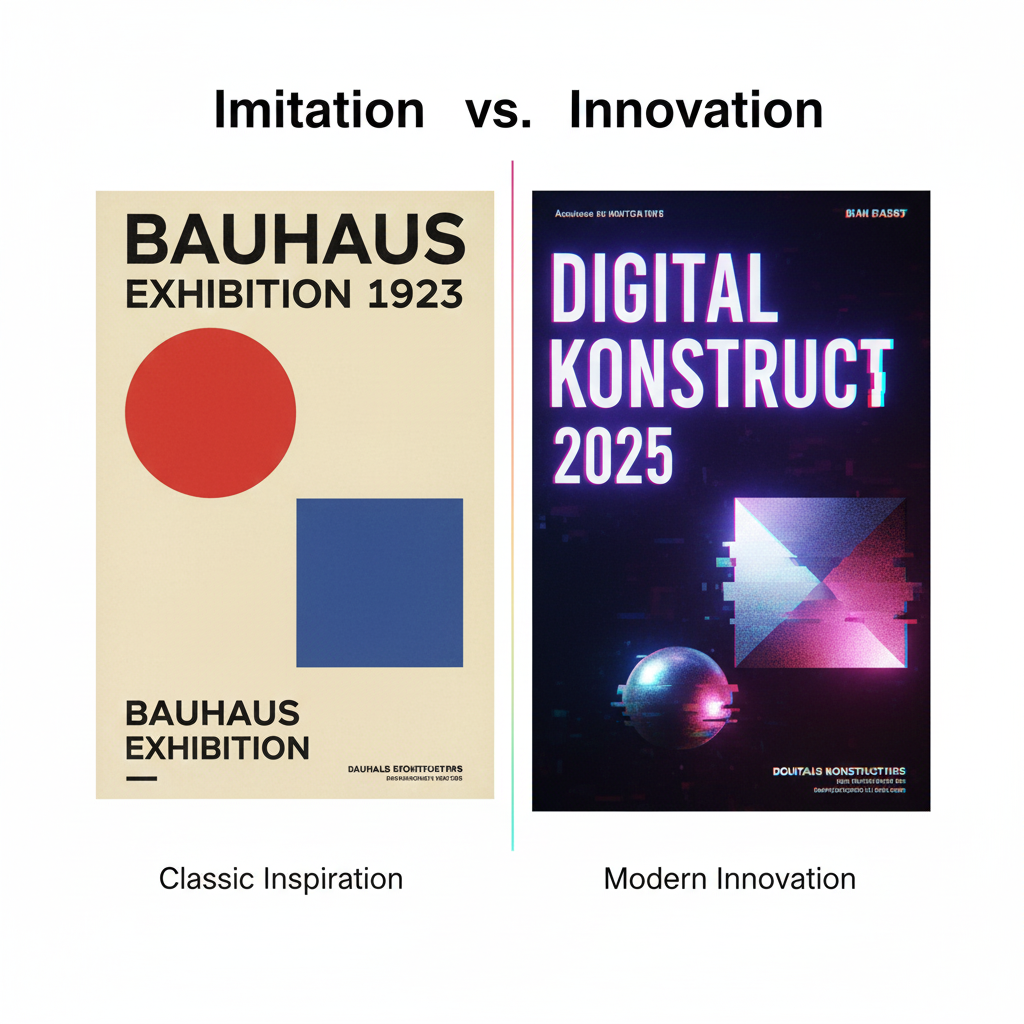
Find designers you admire, look at their work, and ask yourself: What makes this design work? This is like reverse-engineering magic.
- Imitate to Understand: Take their designs and recreate them in your own style and in your personal time. You only truly understand how something was built when you can recreate it.
- AI for Critique: Use ChatGPT again and ask it to reverse-engineer famous graphic designs and explain how and why they function. This is an “insanely huge learning resource” that many people overlook.
Step 4: Build a Portfolio (The Showcase and Sandbox)
You must start building a portfolio now, even if you think your work isn’t good enough.
- Track Your Progress: Your first projects will be rough, and that is okay. Keep them as a benchmark. Looking back just six months later will show you how far you’ve come.
- It’s a Two-Way Street: Your portfolio isn’t just for clients; it’s a place for you to experiment, fail, and grow.
- Go Public: Building a strong online presence as a designer has never been more crucial than it is in 2025.

Step 5: Find a Community (The Feedback Loop)
Find a community, whether through online forums, local meetups, or social media groups. Getting feedback is essential for growth.
Pro Tip: Learn to Give Feedback
- Critique is Key: Don’t just ask for feedback; learn how to give feedback properly. When you can critique someone else’s work effectively, it means you have developed the eye for design that you need for your career.
- Be Constructive: Try to analyze why a design works and why it doesn’t. For example, a design might lack white space, making the message confusing, or it might have a clear consistency of style.
In 2025, success is not about being perfect; it’s about progress, practice, and having the courage to start and grow.














Leave a comment