



When someone has a broken leg, we don’t tell them to “just walk it off.” Yet, when someone is depressed or lonely, the common advice is to “shake it off; it’s all in your head”. This neglect allows emotional wounds to fester, leading to long-term health consequences.
The Lethality of Loneliness
Loneliness is a deep psychological wound that distorts our perception, making us believe others care less than they do. Research shows that chronic loneliness:
- Increases the likelihood of an early death by 14%.
- Causes high blood pressure and high cholesterol.
- Suppresses the immune system.
- Is as significant a risk factor for longevity as cigarette smoking.
Treating the Common Wounds
To stay healthy, we must learn to practice “emotional hygiene” by identifying and treating our psychological wounds.
1. Fight the Cycle of Failure
Failure can trick your mind into believing you are incapable. If you believe your mind’s “moody friend” advice that you can’t succeed, you’ll stop trying, ensuring failure becomes a self-fulfilling prophecy.
- The Fix: You must fight feelings of helplessness and break negative cycles before they take hold.
2. Protect Your Self-Esteem
After a rejection, many of us do something bizarre: we join the “Fight Club” against ourselves by listing all our faults. Your self-esteem is already hurting; why damage it further?
- The Fix: Treat yourself with the same compassion you would offer a good friend. Revive your self-esteem rather than beating it into a pulp.
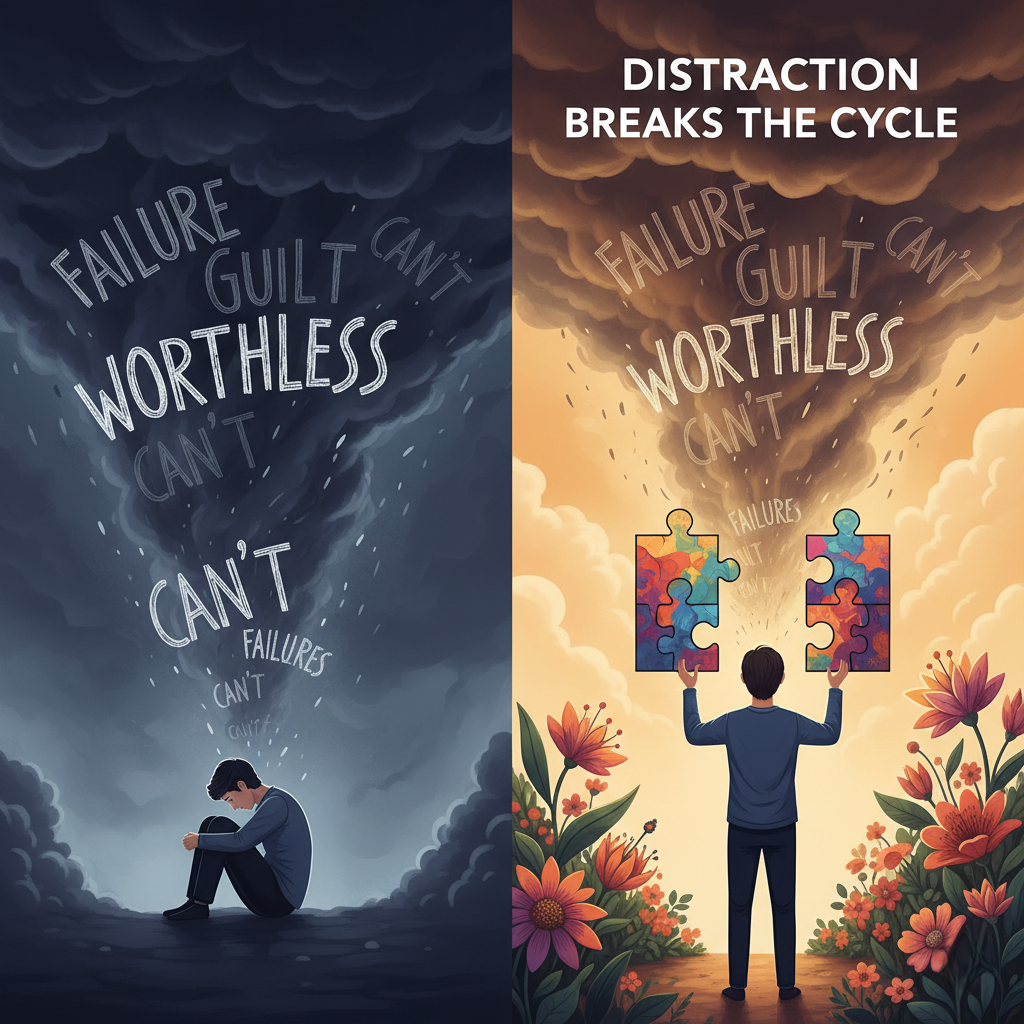
3. Stop Rumination (The “Chewing” Habit)
Rumination is the habit of replaying upsetting scenes in your head for days. It puts you at risk for clinical depression, eating disorders, and even cardiovascular disease.
- The Fix: Even a two-minute distraction is enough to break the urge to ruminate in the moment. Force yourself to concentrate on something else until the urge passes.

A Healthier World
A century ago, personal hygiene habits doubled our life expectancy. Guy Winch believes that practicing emotional hygiene could raise our quality of life just as dramatically. By changing a few simple habits—taking action when lonely, changing your response to failure, and protecting your self-esteem—you won’t just heal; you will thrive.














Leave a comment