



A Nation at a Crossroads: The Impact of Yolande Viviane Compaoré’s Death
In the early hours of an ordinary morning in Ouagadougou, a piece of news began to shake the foundations of Burkina Faso. Yolande Viviane Compaoré—a former minister, governor, and Member of Parliament—was found dead in her home. While her death appeared at first to be a private tragedy, judicial authorities quickly confirmed signs of a violent assault, transforming the event into a matter of urgent national concern.
This assassination is not merely a criminal headline; it is a test of a nation’s resilience, its justice system, and its ability to separate historical memory from the modern rule of law.
A Pillar of Political History
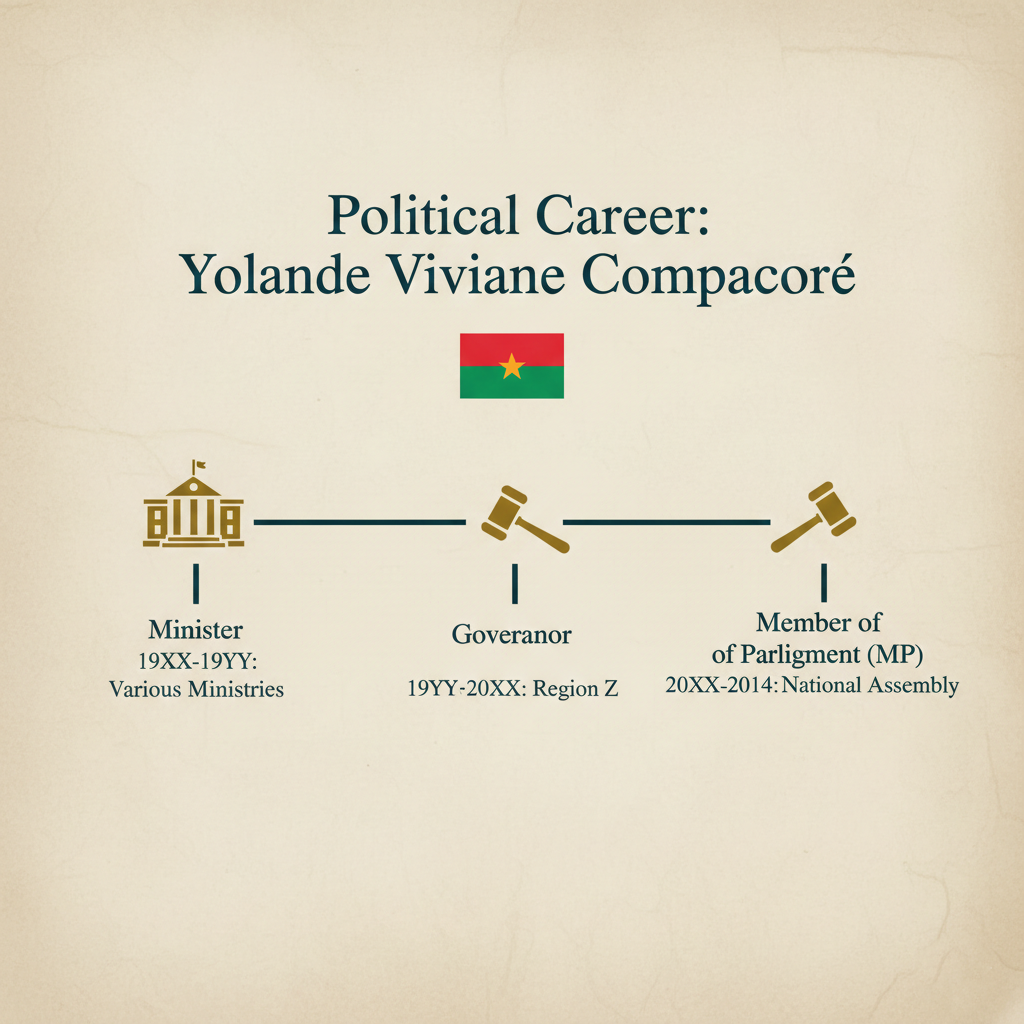
Yolande Viviane Compaoré was far from an unknown figure. Her career was deeply intertwined with the long presidency of Blaise Compaoré, an era that remains a point of deep division in public opinion today.
- A Symbol of Continuity: For some, she represented a period of stability and centralized authority.
- A Symbol of the Past: For others, she embodied a political system they felt excluded from before the 2014 uprising.
Because of this history, her death was never going to be perceived as a routine criminal case. It immediately reopened old wounds and invited a flood of speculation regarding political motives and unsettled scores from the past.
The Information Battle: Fact vs. Rumor
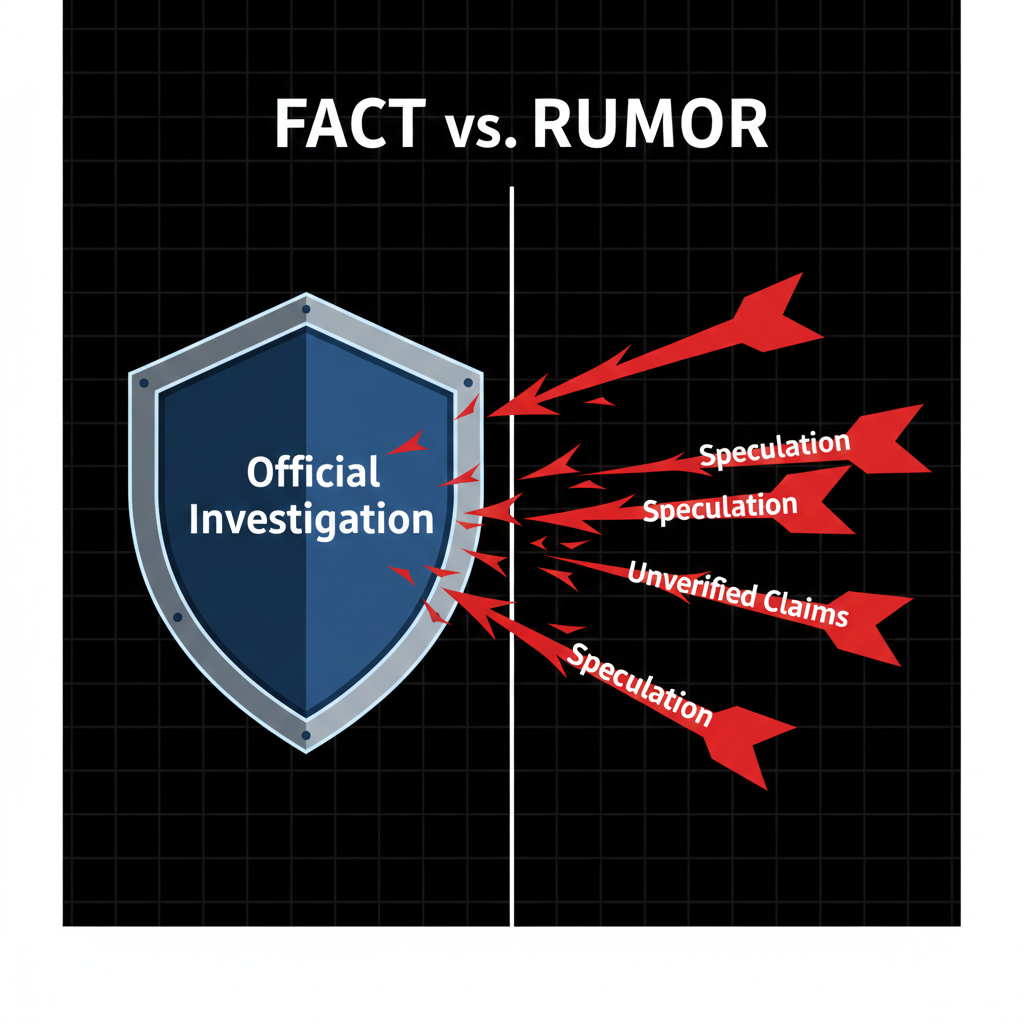
In the hours following the discovery, the Burkinabè authorities recognized a secondary, more dangerous battlefield: the information space. In an age of social media, rumors often travel faster than evidence.
The state’s response was intentional and rapid. Prosecutors formally opened an investigation within hours to prevent a vacuum of information that hostile actors could fill with manipulation or fear. President Ibrahim Traoré emphasized that allowing false information to circulate would only benefit those seeking to destabilize the country.
Leadership Under Pressure
The handling of this crisis has provided a lens into the current leadership style of President Ibrahim Traoré. His approach has been characterized by institutional restraint:
- Prioritizing the Law: Rather than politicizing the victim’s past, Traoré has affirmed the authority of the justice system to lead the process.
- Resisting Provocation: The administration has carefully avoided the language of revenge, signaling a focus on national cohesion rather than political score-settling.
- Institutional Presence: By allowing official institutions to speak rather than dominating the narrative personally, the government has sought to reinforce public trust in the state’s capacity.
Challenging the Global Narrative
The assassination also triggered reactions from Western media, which often framed the event as a sign of systemic collapse or failed governance
However, the video analysis notes a double standard: when similar tragedies occur in Western democracies, they are treated as individual crimes. In Africa, they are often portrayed as proof of inherent instability. By asserting national ownership of the narrative and the judicial process, Burkina Faso is making a statement about its own sovereignty and institutional capability.
A Moment of Truth
The assassination of Yolande Viviane Compaoré is a profound tragedy that sits at the crossroads of Burkina Faso’s history and its future. Ultimately, the nation’s stability will be defined not by the absence of tragedy, but by the integrity of its response.

When truth prevails over rumor and law over emotion, a nation demonstrates that its foundation is built on the rule of law, no matter how heavy the weight of the past.
















Leave a comment