


A Journey Through History’s Most Bizarre and Brutal Chapters
History is often taught as a series of triumphs, but its darker corners hold lessons that are just as important—and often much more shocking. From the evolution of “medicine” that caused more harm than good to the weaponization of the very building blocks of the universe, our past is a testament to both human ingenuity and our capacity for error.
The Heroin “Wonder Drug”
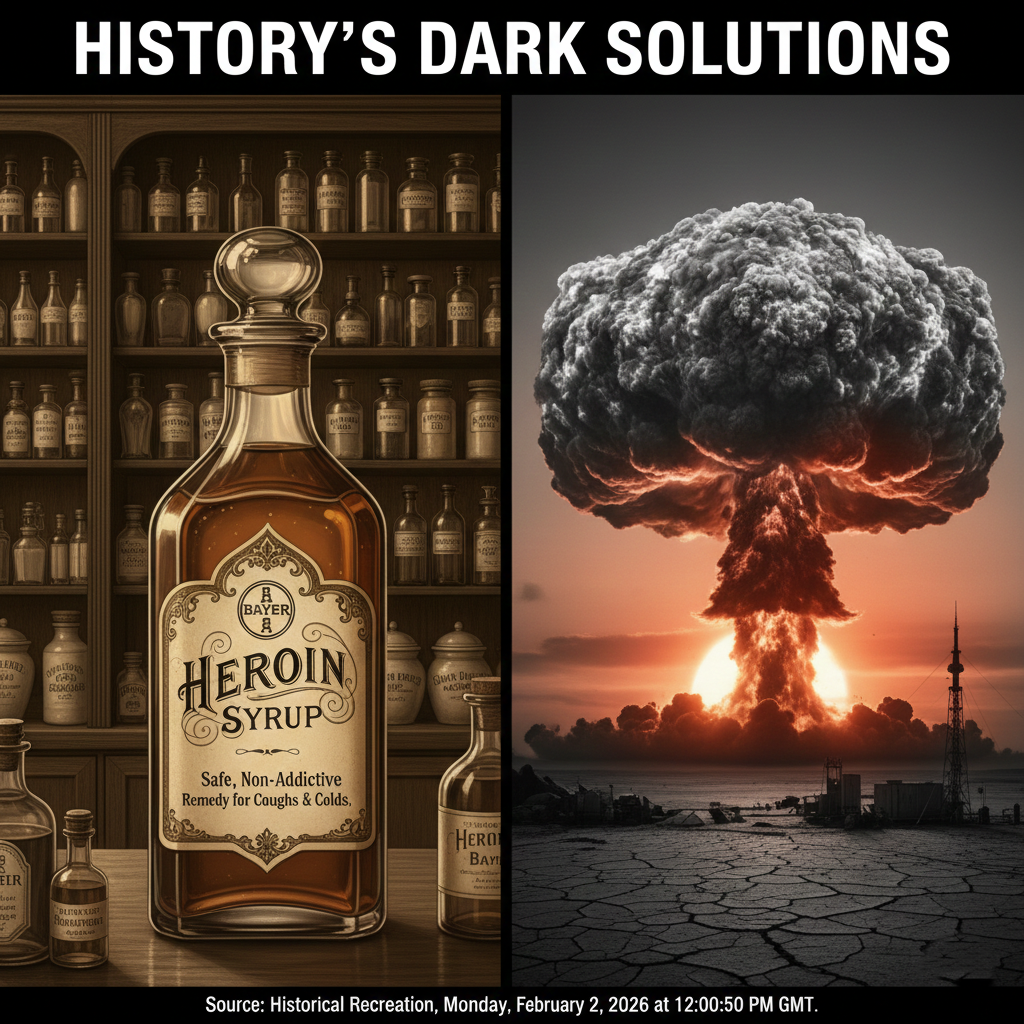
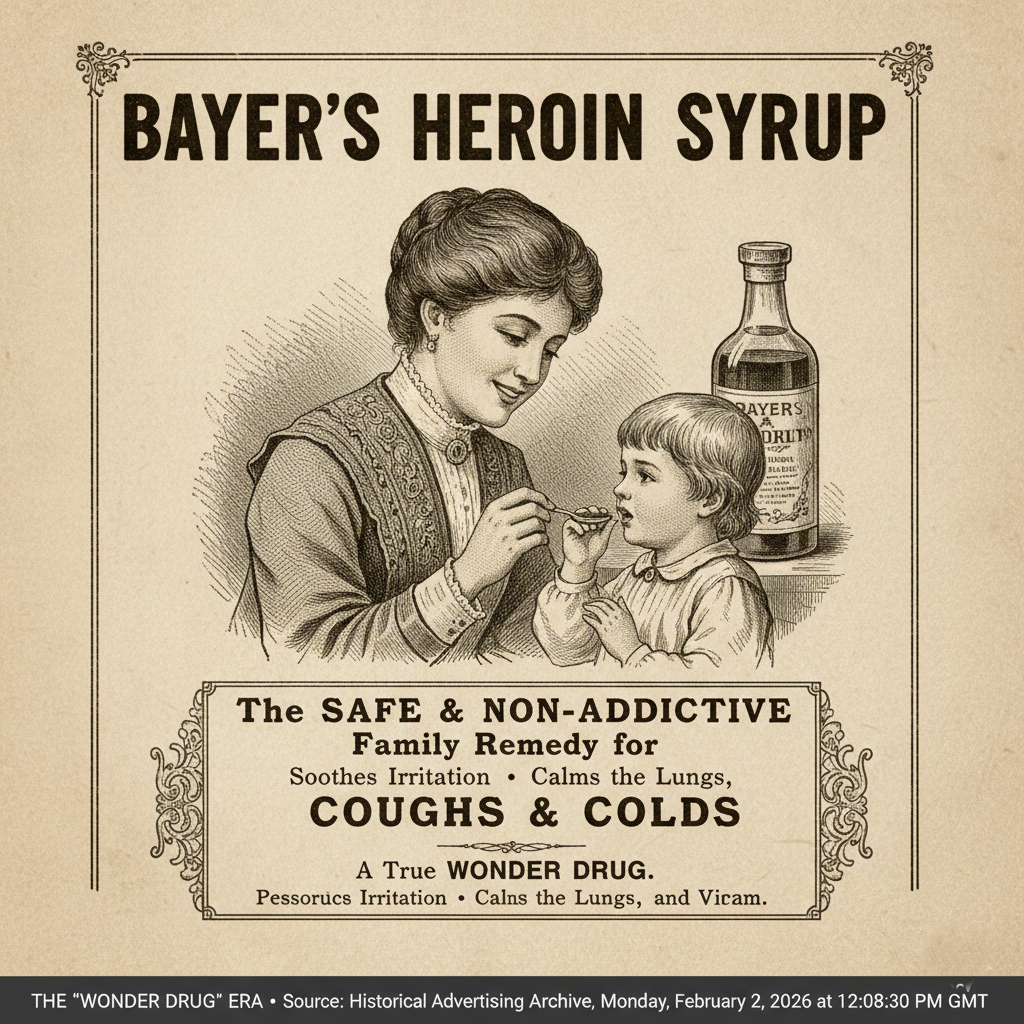
In the late 1800s, the world faced a massive addiction crisis—not to heroin, but to morphine. Injured veterans and ordinary citizens alike were hooked on the potent painkiller. In 1898, the German pharmaceutical company Bayer introduced what they claimed was a “heroic,” non-addictive alternative: Heroin.
Marketed as a safer substitute for morphine, heroin was sold in tablets, elixirs, and even syrups intended for children. It was touted as a miracle cure for tuberculosis, pneumonia, and common coughs. However, the body was simply metabolizing the heroin back into morphine, but at a much faster and more potent rate. It wasn’t until 1913, after creating a new generation of addicts, that production was finally halted.
Shocking Solutions: Insulin and Lobotomies
In the early 20th century, the field of psychiatry was desperate for treatments for severe disorders like schizophrenia. This desperation led to some of the most brutal “cures” ever devised.
One such treatment was Insulin Shock Therapy, where patients were injected with massive doses of insulin to induce hypoglycemic comas. This process was repeated dozens of times over several months. While some reported “success,” the reality for many was severe memory loss and permanent brain damage.
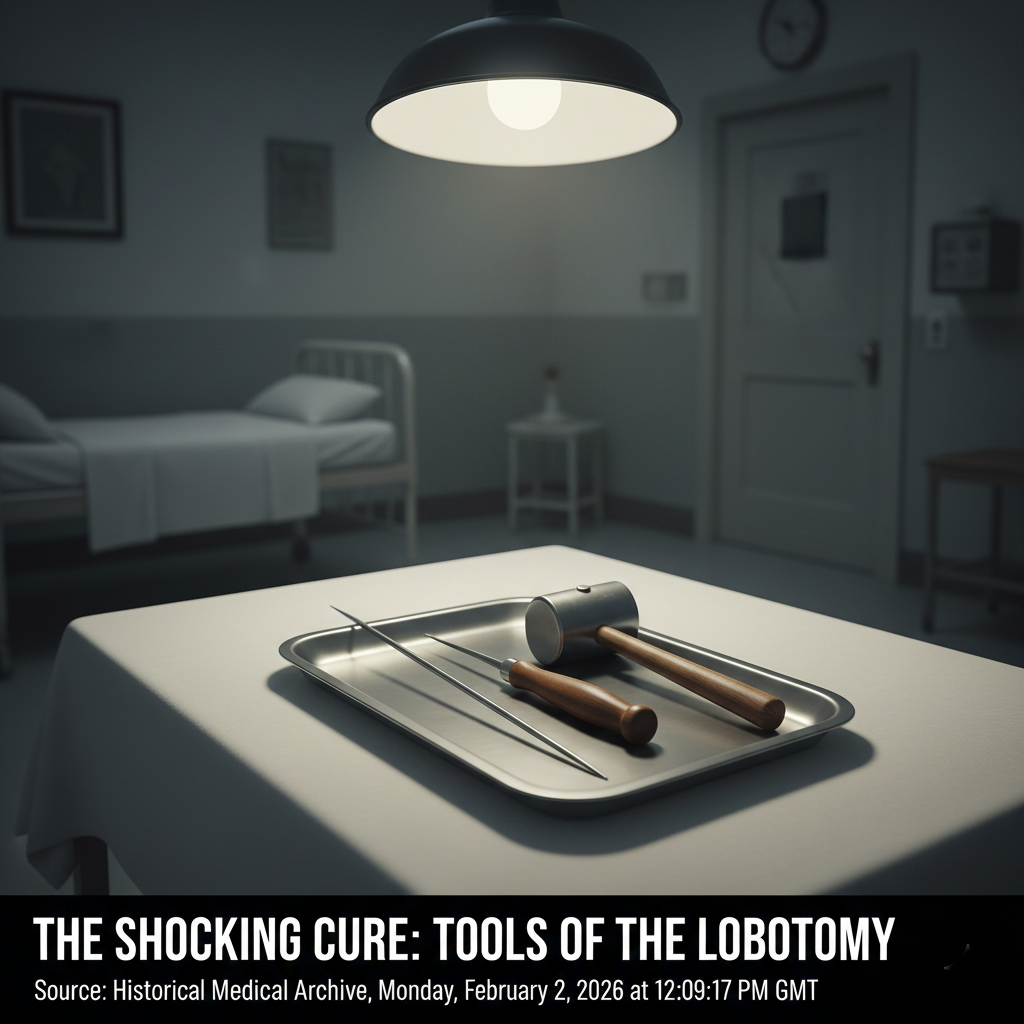
Even more infamous was the Lobotomy. Antonio Egas Moniz, who won a Nobel Prize for the procedure, theorized that mental illness was caused by “abnormal connections” in the brain. His American counterparts, Walter Freeman and James Watts, optimized this into the “transorbital lobotomy”—using an ice-pick-like tool through the eye socket to sever connections in the frontal lobe. While it made patients “calm,” it often left them as “sedentary potatoes,” devoid of personality and identity.
The Toxic Legacy of Mercury: Calomel
For centuries, “Calomel” (mercurous chloride) was the go-to treatment for everything from syphilis to ingrown toenails. Based on the ancient theory of the “Four Humors,” physicians believed that a healthy body required a balance of fluids. Calomel worked as a powerful purgative, making patients vomit and lose control of their bowels.
Doctors like Benjamin Rush prescribed “heroic doses” of Calomel combined with bloodletting, effectively draining patients of the very fluids they needed to survive. The long-term effects of this mercury-based “cure” were horrifying, including hair loss, tooth loss, and severe neurological damage.
The Atomic Dawn: Project Manhattan
While doctors were “refining” the human mind, physicists were learning to split the atom. In 1939, alerted by Leo Szilard and Albert Einstein, the U.S. government launched the Manhattan Project to beat Nazi Germany to the development of an atomic bomb.
Led by J. Robert Oppenheimer and General Leslie Groves, the project culminated in the “Trinity” test in New Mexico on July 16, 1945. The successful detonation of “The Gadget” marked the beginning of the nuclear age. Just weeks later, atomic bombs were dropped on Hiroshima and Nagasaki, leading to the end of World War II but also introducing a new era of global anxiety and the potential for “utter destruction.”

Dark Facts Around the Globe
History’s oddities aren’t confined to laboratories. Every nation has its own strange chapters:
- France: Since 1803, the practice of necrogamy has allowed people to legally marry a deceased partner, originally started to help the widows of fallen soldiers.
- Serbia: In the 18th century, villagers would dig up and “kill” recently deceased neighbors they suspected were vampires.
- Vatican City: Despite being the smallest country in the world, it is the only one where the head of state (the Pope) also serves as a religious leader for over a billion people.

Learning from the Past
The history of these “solutions”—whether medical or military—serves as a reminder of the importance of caution and ethical oversight. While many of these practices were born out of a genuine desire to solve problems, they often ignored the human cost. By looking back at these brutal and bizarre chapters, we can better appreciate the progress we’ve made and the lessons we must never forget.













Leave a comment