


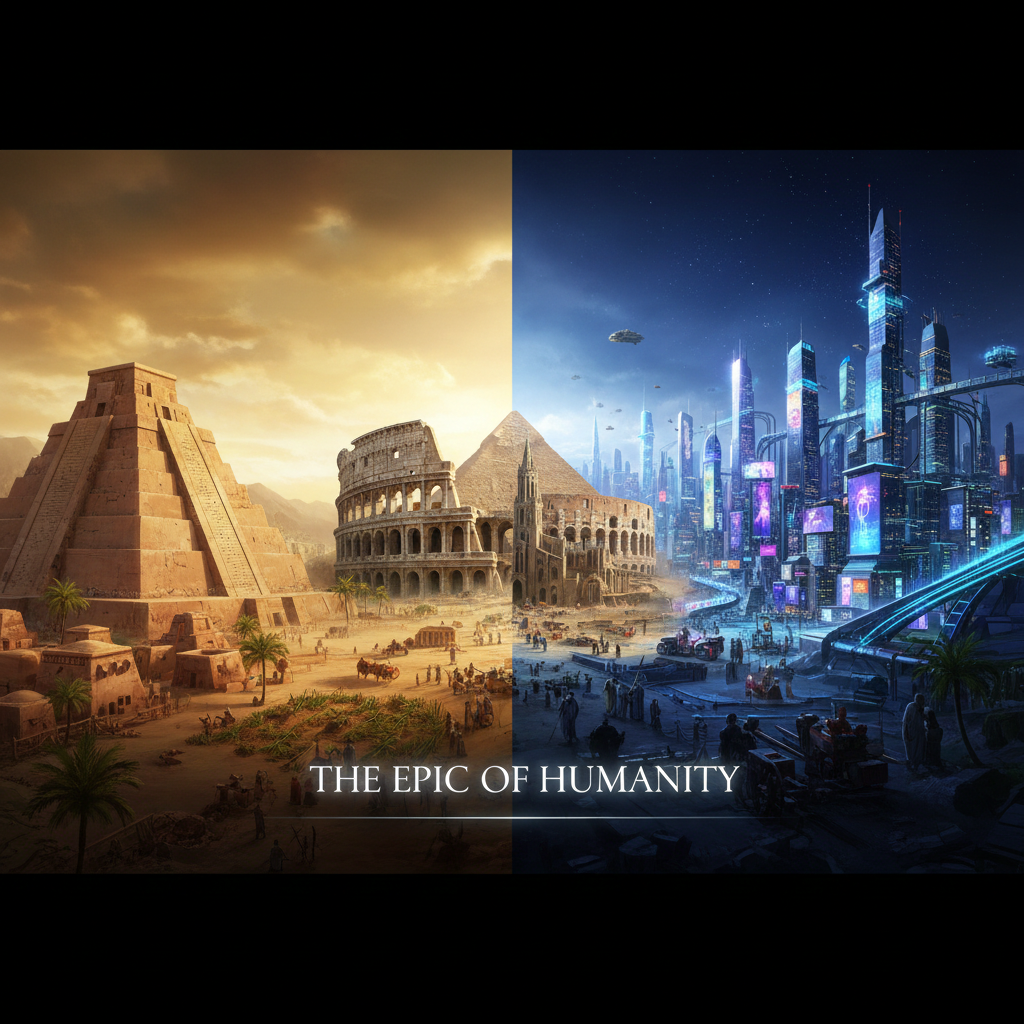
The Epic of Humanity: The Entire History of Human Civilizations
The story of humanity is a sprawling epic that began long before the first words were ever written. It is a tale of survival, innovation, and the relentless drive to build something that lasts. From the moment we stopped wandering and began to plant seeds, the mechanism of civilization was set in motion, changing the face of the Earth forever.
The Birth of the City: Mesopotamia and Agriculture
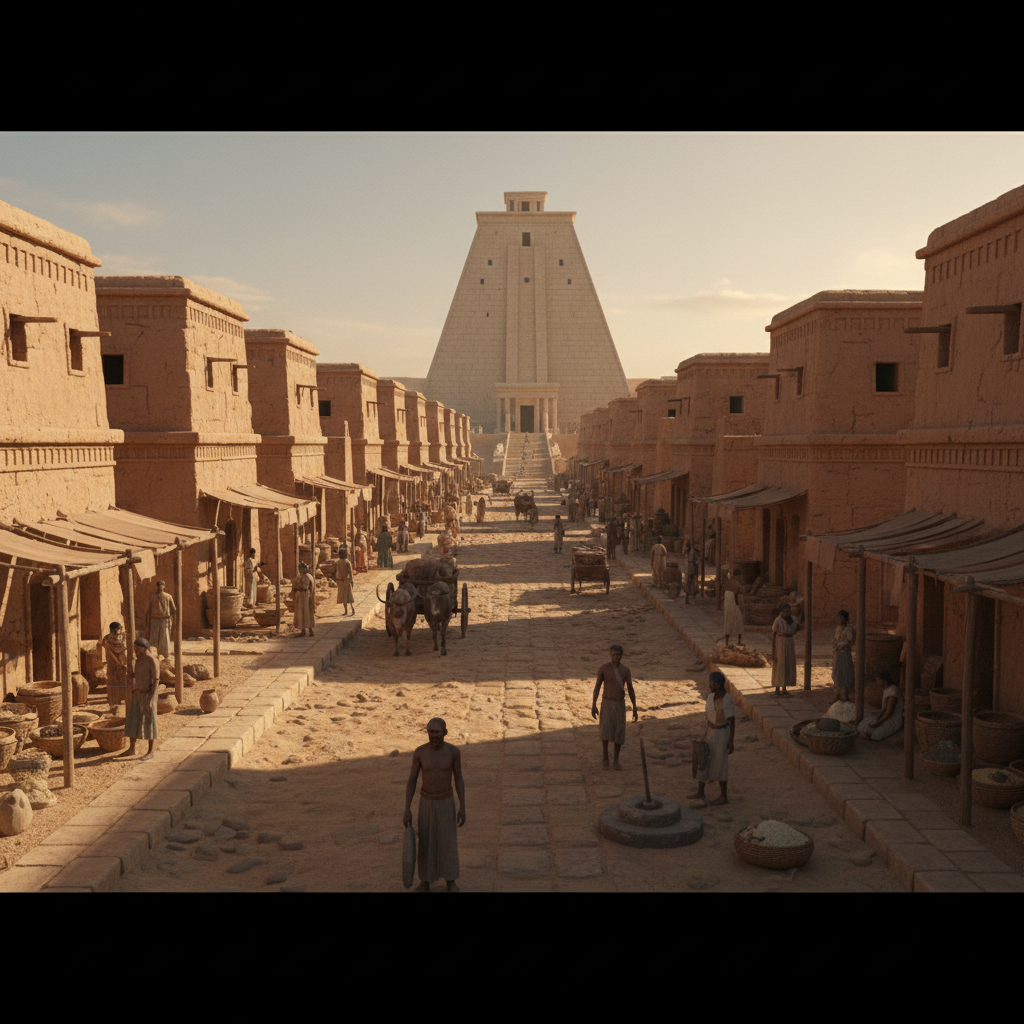
Our journey into civilization begins in the fertile lands of Mesopotamia around 4,000 B.C.E. Nestled between the Tigris and Euphrates rivers, the Sumerian city of Uruk became the world’s first true urban center. Here, humans made a revolutionary choice: instead of hunting and gathering, they began to harvest cereal grains like wheat and barley.
This shift to agriculture allowed Uruk to prosper, supporting over 50,000 residents. However, it also transformed the human body and social structure. We became smaller, less nomadic, and more tied to the land. This era saw the rise of the first kings, like the legendary Gilgamesh, and the first conquerors, such as Sargon the Great, who united the city-states into the world’s first empires.
The Pursuit of Immortality: Egypt and the Pyramids
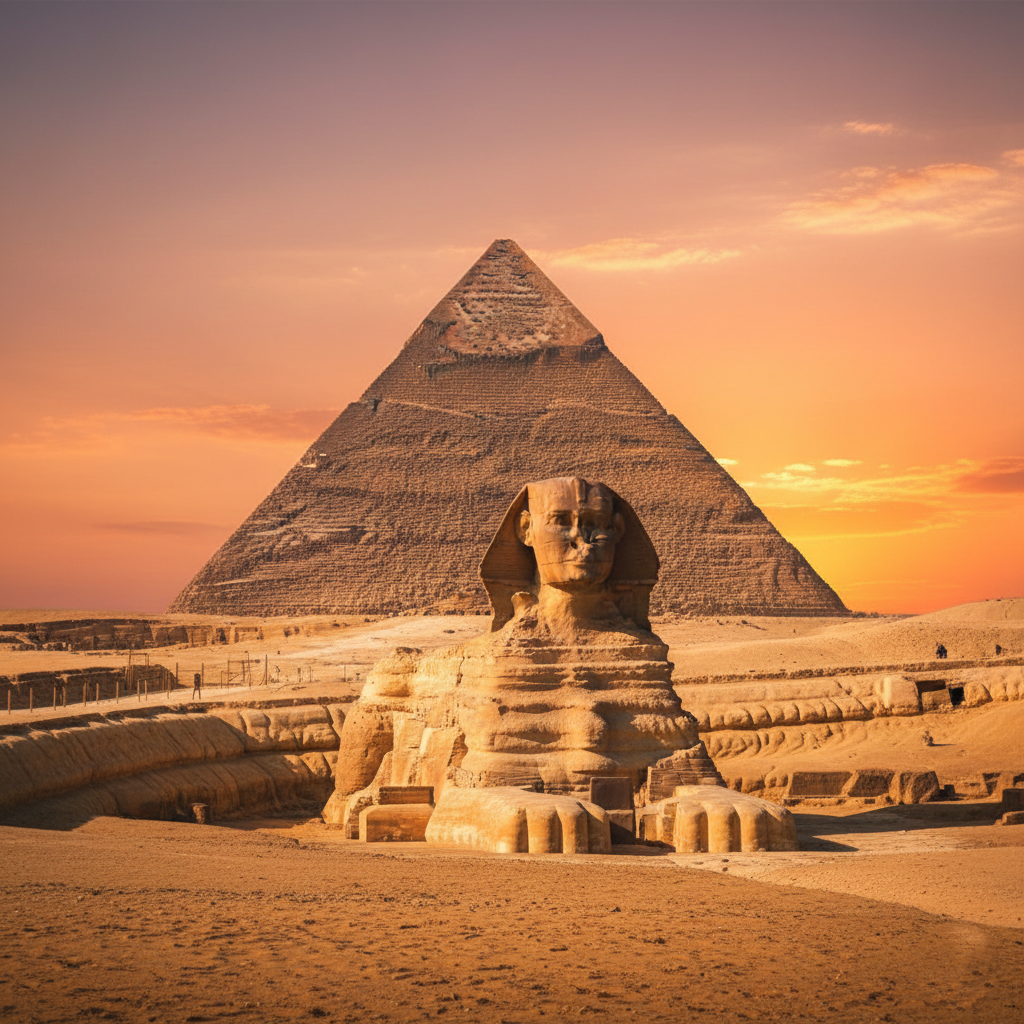
While Mesopotamia was perfecting the city, Ancient Egypt was focused on the eternal. Starting around 2667 B.C.E., Pharaohs like Djoser and Khufu began the monumental task of building pyramids. These weren’t just tombs; they were gateways to the afterlife, intended to ensure the Pharaoh’s spirit would continue to rule and be worshiped forever.
The construction of the Great Pyramid of Giza remains one of the world’s most incredible feats of labor and engineering. Egyptian society was a rigid pyramid itself, designed entirely to serve the Pharaoh, the mediator between the gods and men.
Order and Philosophy: The East and West
As the centuries passed, new civilizations emerged with distinct ways of organizing the human experience:
- The Indus Valley: Notable for its advanced urban planning and hygienic drainage systems, proving that civilization was as much about plumbing as it was about power.
- China: The Xia and Zhou dynasties established the “Mandate of Heaven,” the idea that a ruler’s right to govern depended on their virtue and merit. This era also gave birth to Confucianism and Taoism, philosophies that sought harmony in society and nature.
- Babylon: King Hammurabi created one of history’s first written legal codes, establishing a society governed by laws rather than the whims of a ruler.
Philosophy and Democracy: The Greek Legacy
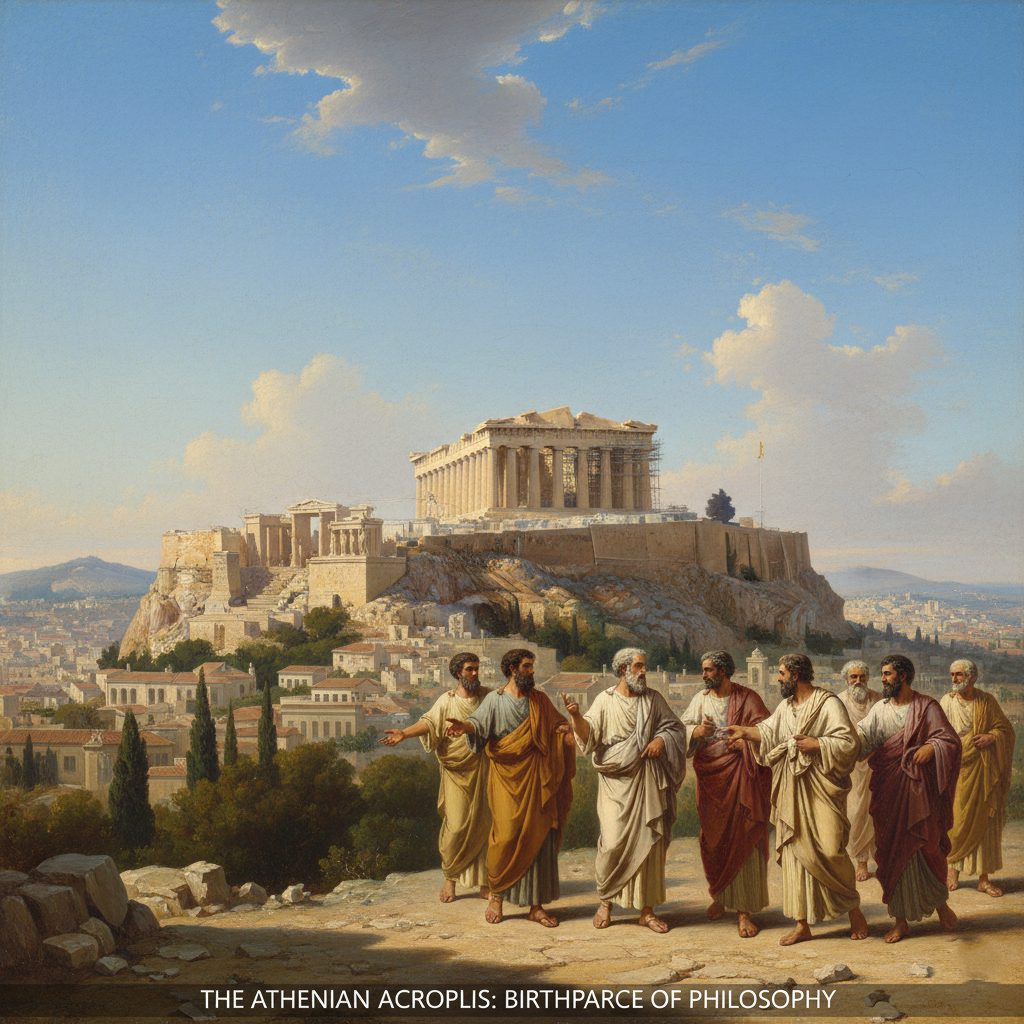
In the first millennium B.C.E., the Greek city-states brought forth ideas that still underpin Western society today. Athens experimented with a complex, often chaotic form of democracy, while Sparta became a dedicated military powerhouse.
This was also the age of the great philosophers. Plato dreamed of a “Philosopher King,” while his student Aristotle laid the foundations of logic and the scientific method. These ideas were spread across the known world by Alexander the Great, whose short-lived but massive empire bridged the gap between East and West, seeding the “Hellenistic” culture from Egypt to India.
The Roman Empire: Conquest and Law
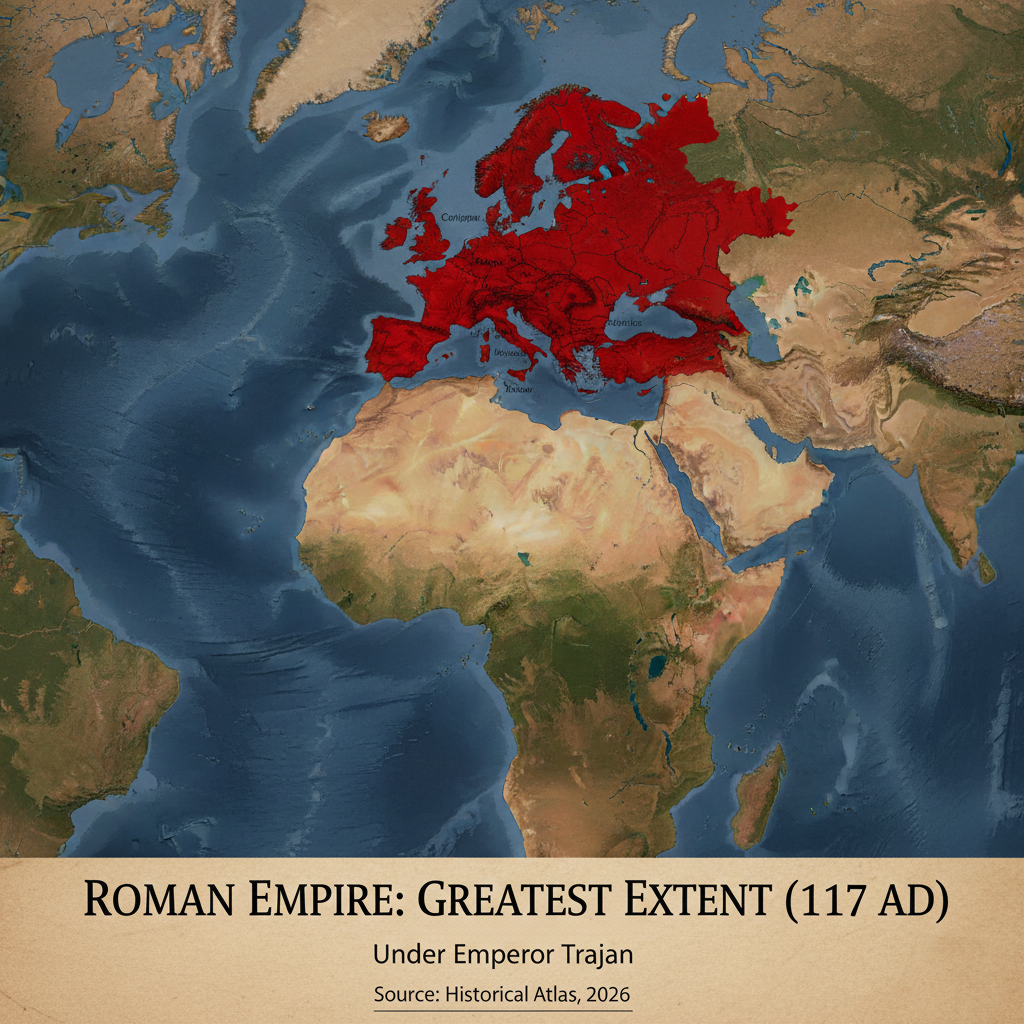
The rise of Rome transformed the Mediterranean into a “Roman Lake.” From the military genius of Julius Caesar to the administrative reforms of Augustus, Rome established a standard of governance, engineering, and law that lasted for centuries. It was during the reign of Augustus that Jesus Christ was born in Bethlehem, leading to the birth of Christianity—a religion that would eventually become the official faith of the empire under Constantine the Great.
The Middle Ages: Faith and Exchange
The fall of the Western Roman Empire led to a period of decentralization in Europe, but elsewhere, civilization was thriving. The rise of Islam under the Prophet Muhammad united the Arabian Peninsula and created a vast empire that stretched from Spain to China. This era saw the “House of Wisdom” in Baghdad become a global center for science and mathematics.
In the Americas, the Maya, Aztecs, and Incas were building sophisticated empires with massive stone temples and advanced agricultural techniques, completely independent of the Old World.
The Modern Transformation: Revolutions and Beyond
The late second millennium saw a series of global shifts that accelerated the pace of history. The Mongol Empire under Genghis Khan connected the world through trade and terror, while the Renaissance in Europe sparked a golden age of art and science.
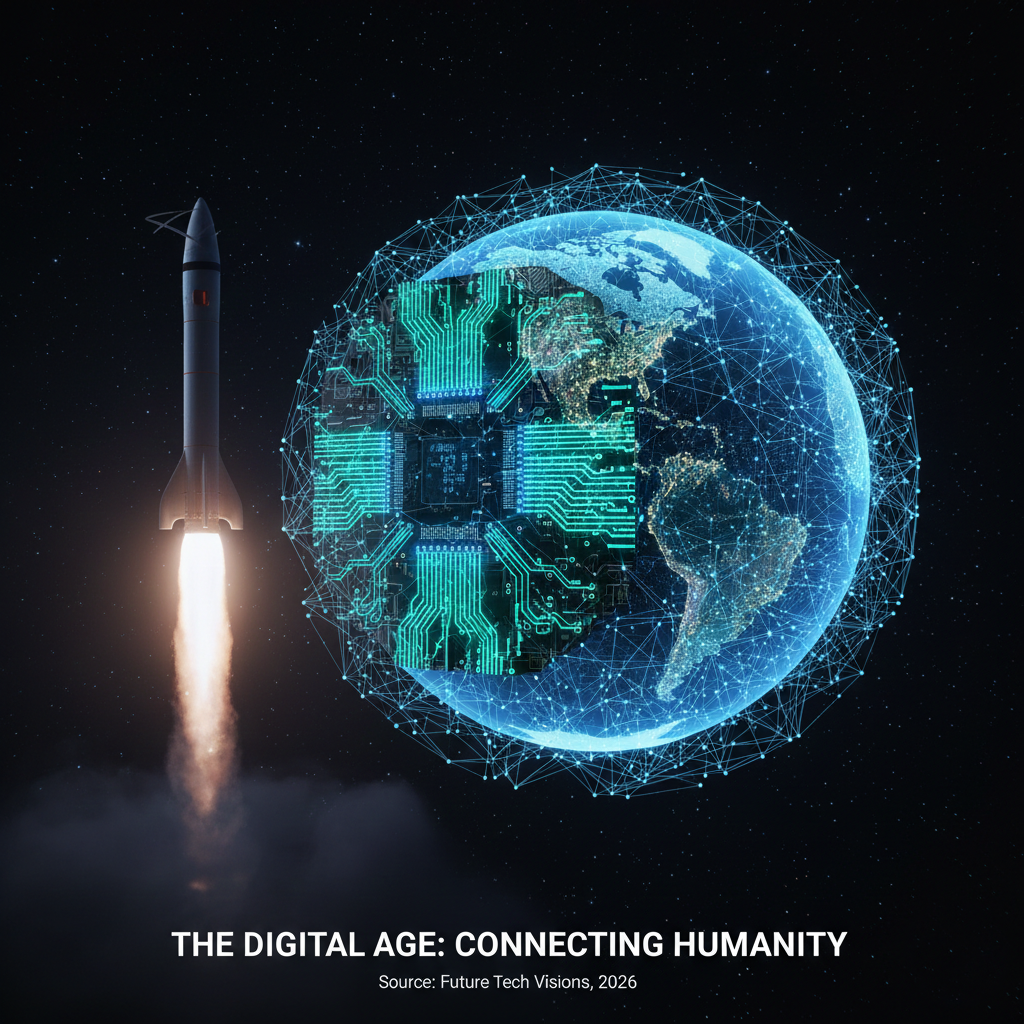
The discovery of the Americas by Christopher Columbus and the subsequent Industrial Revolution launched humanity into a new era. We replaced muscle with machinery and crossed the oceans in search of new frontiers. The 20th century, marked by the devastation of two World Wars, ultimately gave way to the Technological Revolution, landing humans on the moon and connecting the entire planet through the digital signals we use today.
An Incomplete Book
The history of human civilization is an incomplete book, constantly being updated with new chapters. While empires rise and fall and technologies change, the core of the human story remains the same: a search for safety, a drive for innovation, and a quest for immortality through the things we build and the ideas we leave behind. As we look to the future, we carry the legacy of every civilization that came before us.












Leave a comment