


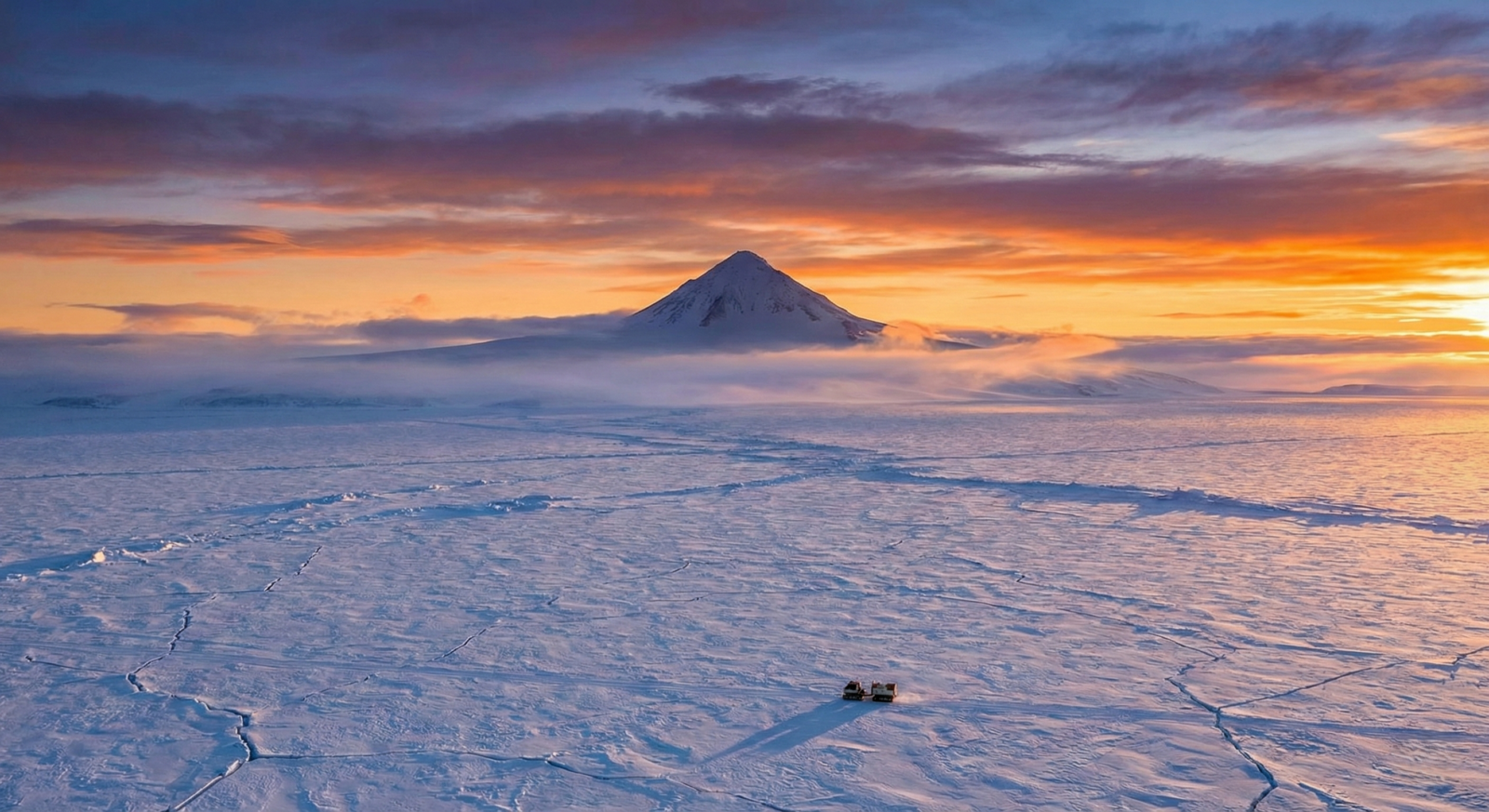
The Forbidden Continent: Earth’s True History Frozen in Time
Antarctica remains the least explored place on our planet. Twice the size of Australia and holding 90% of the world’s ice, it has for centuries been a land of snow and silence. However, as satellite technology and deep-core drilling advance, the continent is revealing features that defy easy explanation.
The Antarctic Pyramids: Nature or Design?
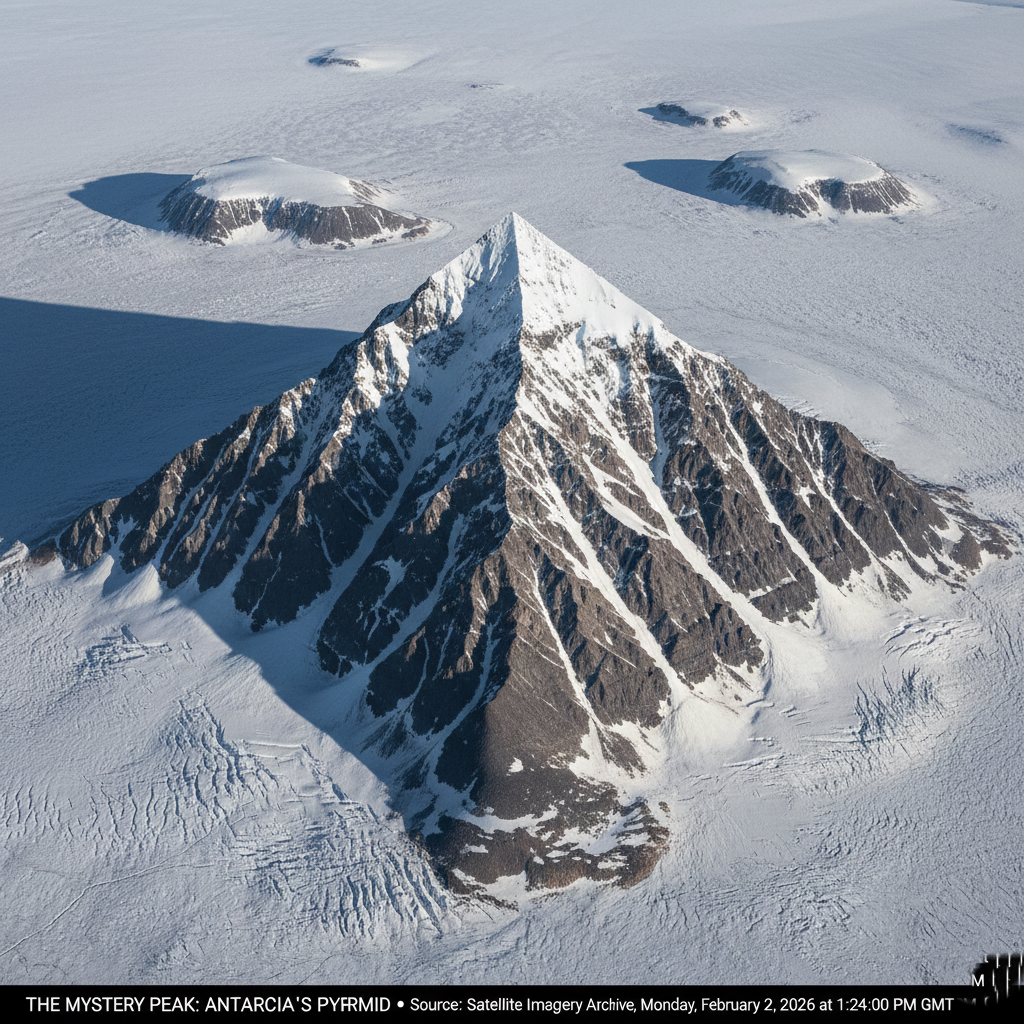
In 2016, satellite images of the Ellsworth Mountains sparked a global sensation. One peak in particular appeared strikingly similar to the Pyramids of Giza. Geologists refer to these as nunataks—natural mountain peaks that stick out above ice sheets. Over millions of years, “freeze-thaw weathering” can carve stone into sharp, regular shapes.
While many scientists believe these are natural formations, independent researchers point to the near-perfect four-sided symmetry of certain peaks. They argue that these could be the remnants of man-made structures from a forgotten civilization, preserved for millennia beneath the ice.
A Tropical Past: Forests Beneath the Ice
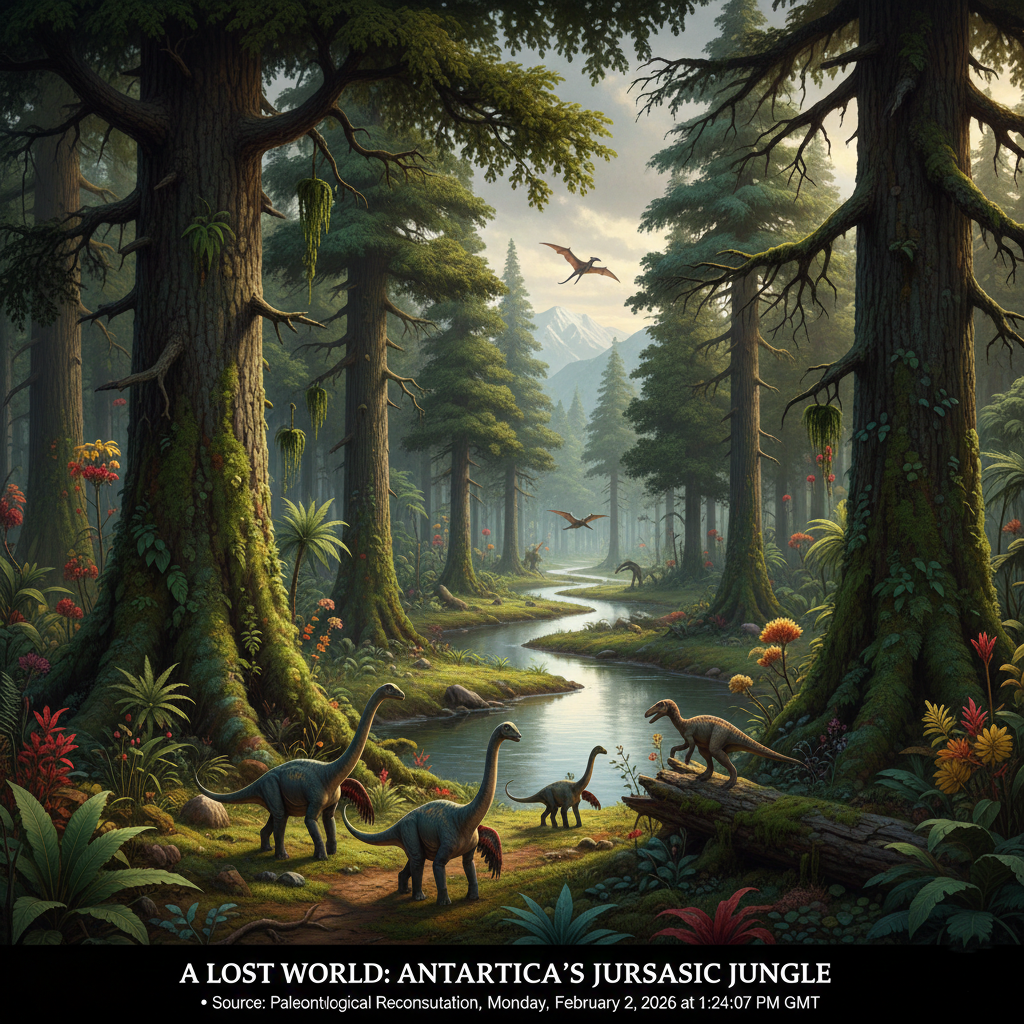
It is a scientific fact that Antarctica was not always a frozen wasteland. Over 100 million years ago, the continent was part of a lush landscape filled with meandering rivers, wetlands, and temperate rainforests.
Expeditions have discovered upright fossilized trees still rooted in the soil, standing as tall as seven meters. Deep-sea drilling has even uncovered ancient pollen, confirming that the continent only began its transition into a “frozen desert” relatively recently in geological terms. This leads to a haunting question: Was there enough time for early human or pre-human civilizations to inhabit the continent before the ice took over?
Subglacial Worlds: Lake Vostok and Blood Falls
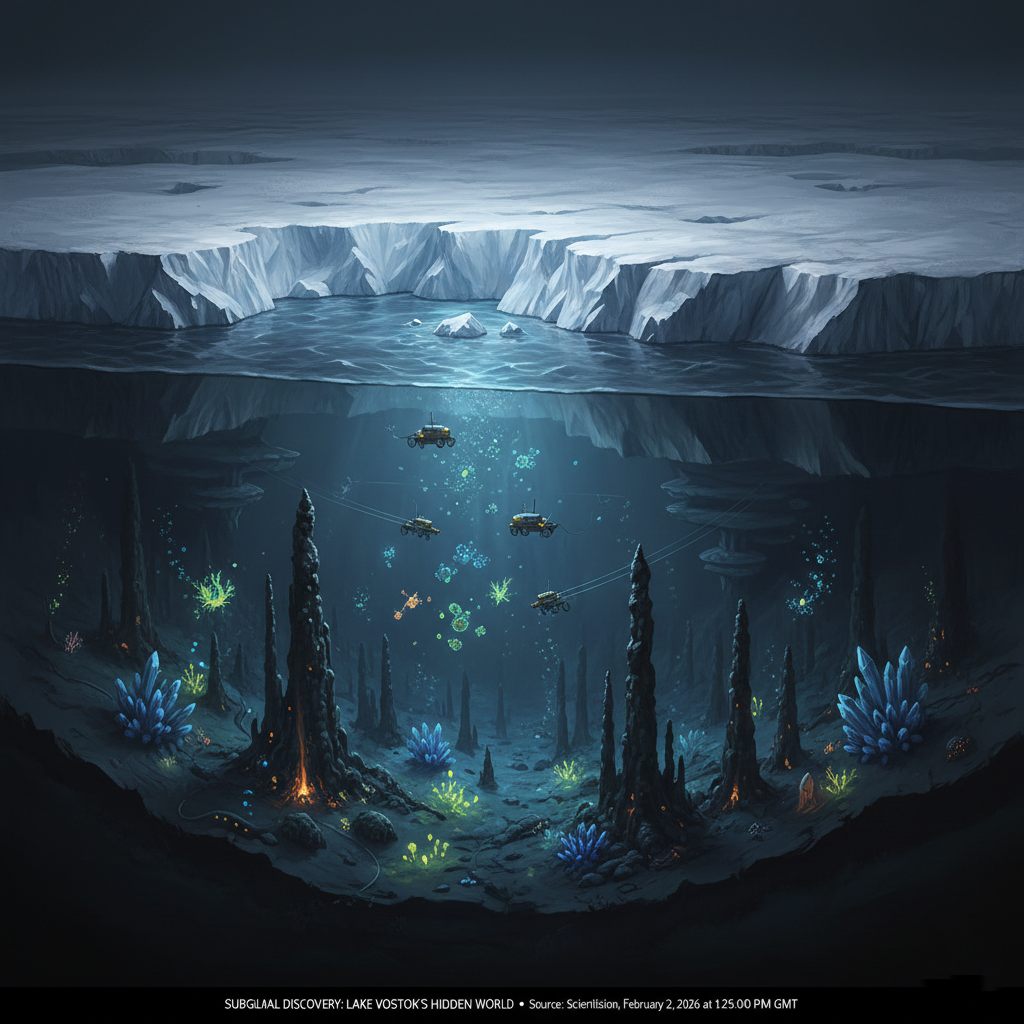
Hidden beneath kilometers of solid ice lie over 400 subglacial lakes. The most famous, Lake Vostok, has been sealed off from the outside world for up to 25 million years. When scientists finally breached its surface in 2012, they found a world that hadn’t seen light or air since long before humans existed. These isolated ecosystems are filled with microorganisms that thrive in total darkness, offering a potential blueprint for life on other icy moons like Europa.
Perhaps even stranger is “Blood Falls,” a five-story-high waterfall in the McMurdo Dry Valleys that flows deep red. While it looks like an open wound in the glacier, it is actually highly saline, iron-rich water that turns red when it hits the oxygen in the air. This “bleeding” glacier hides an isolated ecosystem of extremophile microbes that feed on iron and sulfur.
Legends and Lies: Nazi Expeditions and Admiral Byrd
Antarctica has long been the subject of political intrigue. In 1938, Nazi Germany sent an expedition to claim a territory they called “New Swabia” (Neuschwabenland). While officially a mission to secure whale oil for self-sufficiency, it fueled rumors of secret underground bases and “last redoubt” havens for the Nazi elite.
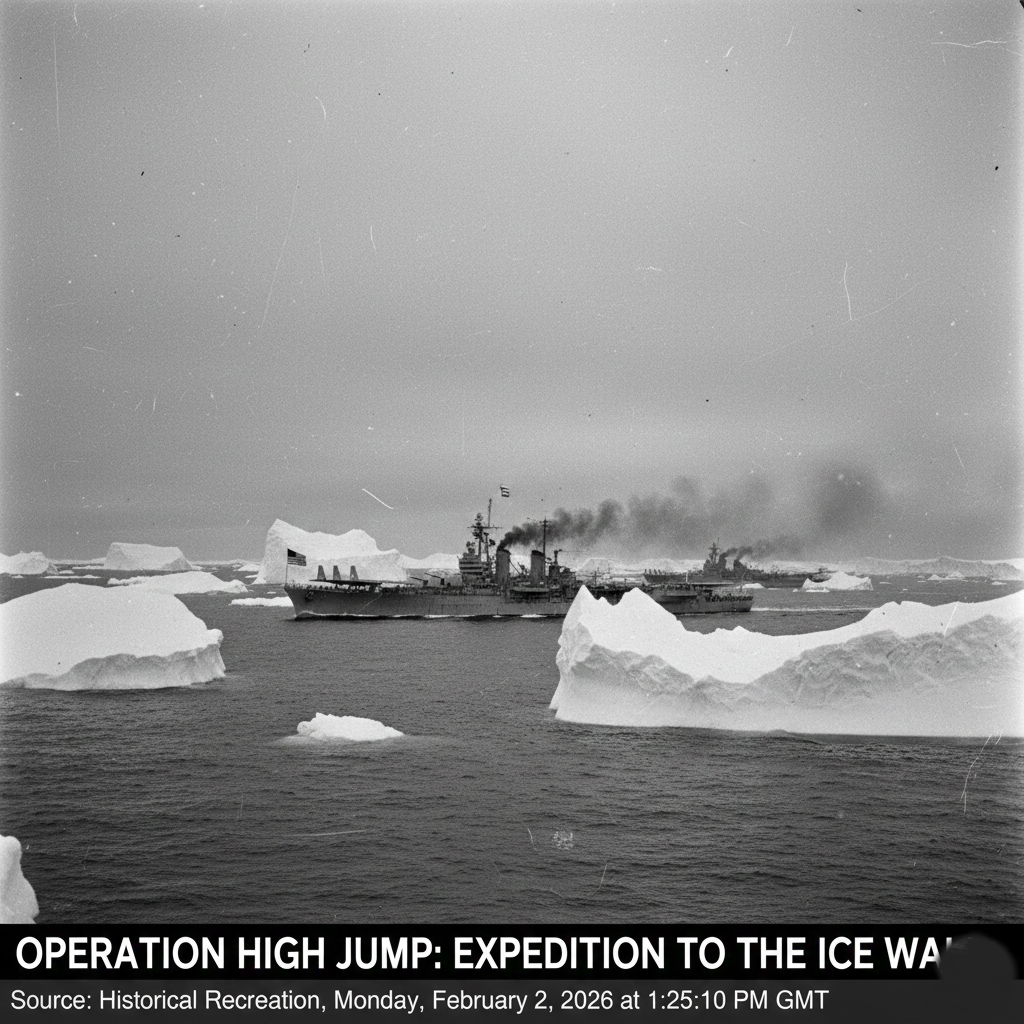
Suspicion deepened after World War II with Operation High Jump, the largest military expedition in Antarctic history. Led by Admiral Richard E. Byrd, the mission involved over 4,700 men and dozens of ships. Officially a training exercise, the mission’s abrupt conclusion and reports of lost aircraft led to theories of encounters with advanced technology—or even the legendary subterranean kingdom of Agartha.
The Thawing Truth
Today, the Antarctic Treaty ensures the continent is used only for peaceful, scientific purposes. However, the secrecy and restricted access to the vast interior continue to fuel theories of hidden truths. As the world warms and the ice recedes, we may soon see the physical evidence that has been hidden for millions of years. Antarctica is no longer as silent as it once was; its glaciers are cracking, and its secrets are beginning to thaw.











Leave a comment