


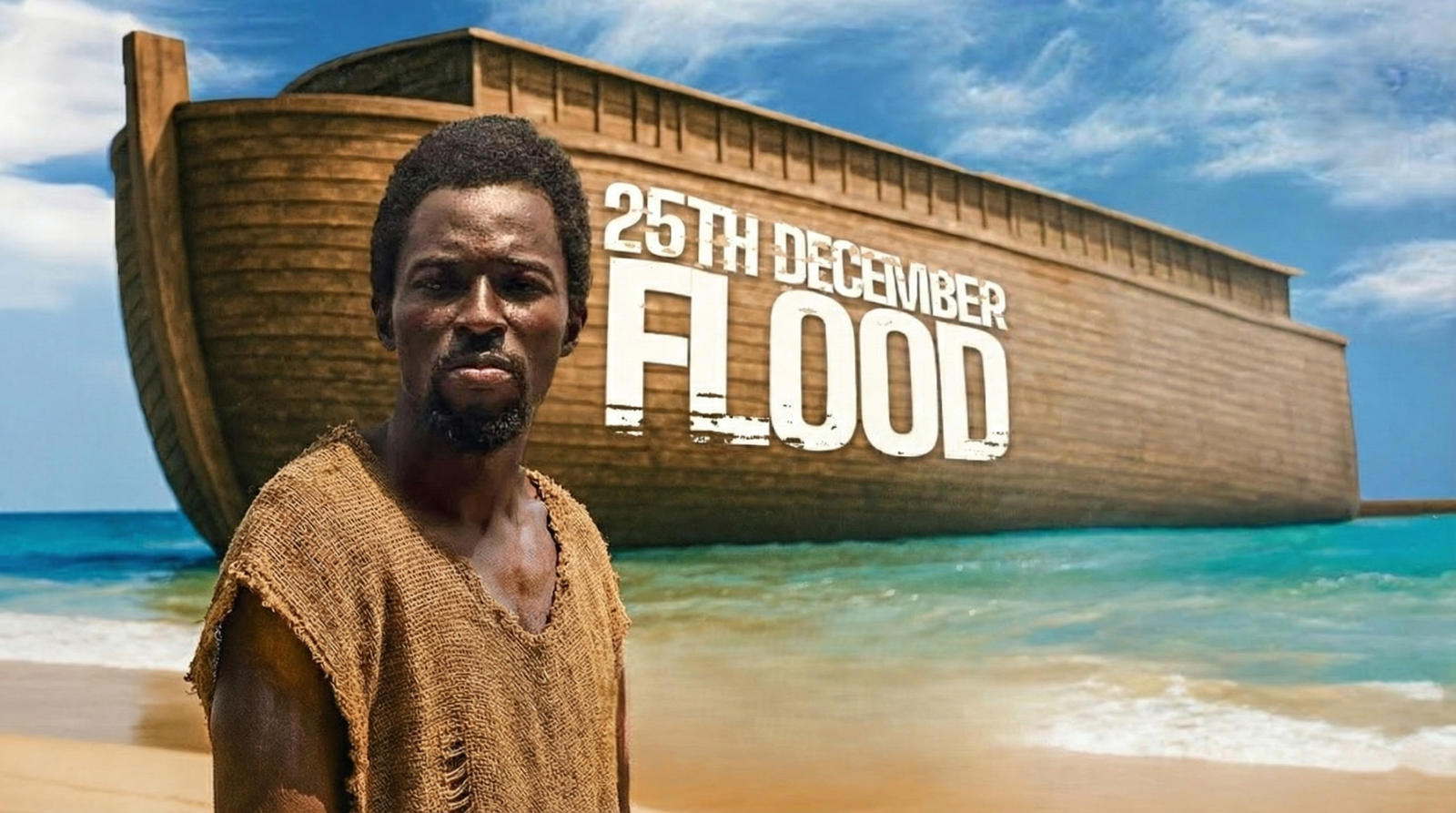
A global flood is coming on Christmas Day 2025, and only one man in Ghana is ready to save humanity: Prophet Ebo Noah. This is the dramatic claim at the heart of the latest viral sensation that has captivated hundreds of thousands of followers on social media and sparked a worldwide theological debate.
The question is simple: Is this man a genuine prophet chosen to save the world, or is this an elaborate, digitally amplified hoax? We break down the explosive claims, challenge the prophecy with scripture, and uncover the unbelievable logistics of this modern-day ark.
The Prophecy: Who is Prophet Ebo Noah?
The man at the center of the controversy is Prophet Ebo Noah, also known as EboJesus. His movement gained rapid momentum after videos began circulating of him sawing timber in a field.
The Divine Warning
According to Ebo Noah, his entire mission began with a profound vision in a dream. He claims God warned him that starting on December 25, 2025, it will rain non-stop for three to four years, submerging the entire earth. His solution is equally grand: he says he has been instructed to build multiple, massive wooden vessels—as many as eight to ten arks—to shelter anyone who enters into a covenant with God.
A Viral Movement
Ebo Noah is using social media, primarily TikTok, to amplify his message, accumulating over 375,000 followers. This digital reach has turned a local Ghanaian construction effort into a global, end-times discussion. He is often seen dressed in a distinctive jute-style vest and preaching in a patient, solemn manner, often comparing himself to the biblical Noah who was also mocked.
The Theological Red Flag: Why the Prophecy Contradicts Scripture
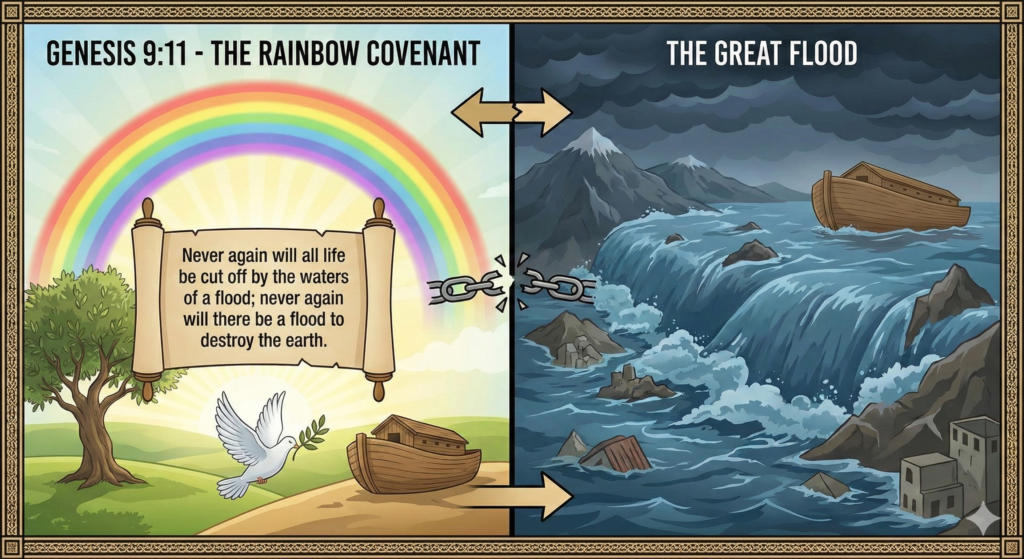
For many Christian viewers, the most significant issue with Prophet Ebo Noah’s message is that it directly contradicts a cornerstone of the Bible.
The flood prophecy asks believers to accept that God has broken a promise sealed with a rainbow. The original prophecy of Noah was followed by a divine covenant, where God promised:
“I establish my covenant with you, that never again shall all flesh be cut off by the waters of the flood, and never again shall there be a flood to destroy the earth.” — Genesis 9:11.
Because of this direct scriptural contradiction, no major Christian authority, theologian, or recognized church body has endorsed Prophet Ebo Noah’s warning. The videos are being dismissed by many as a modern attempt at prophecy that lacks biblical grounding.
The Logistics and The Mystery of the Funds
Beyond the religious debate, the practical logistics of Ebo Noah’s undertaking have also raised serious questions:
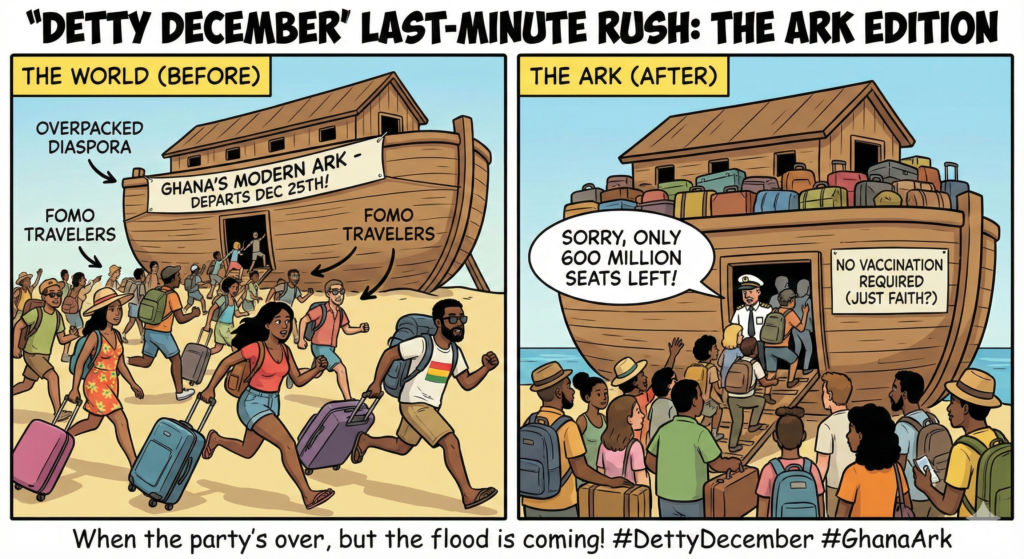
- Capacity Overload: One sensational claim suggests a single ark is capable of holding 600 million people. Considering this would represent roughly 7.5% of the world’s current population, critics have quickly dismissed the number as mathematically impossible.
- The Price of Faith: Ebo Noah claims the arks are being constructed from 250,000 hand-selected wooden boards each. The enormous financial cost of this much timber is immense. Since Ebo Noah is not presented as an established businessman, the source of his funding remains a mystery, leading some to jokingly suggest “God is an ultimate provider”.
The physical structures themselves are built on a scale that looks more like a local shipbuilding effort than the massive vessel needed for a global apocalypse.
Christmas Day Will Tell the Tale
As the countdown to December 25, 2025, continues, the Ghanaian Noah’s Ark phenomenon has become a cultural litmus test. Will people be heading to the famous “Detty December” party spots like Rapaholic, or will they be rushing to the ark’s alleged location in Abono West?
While the prophecy is widely considered unverified and contradictory to scripture, the story highlights the immense power of social media to turn an unverified local claim into a global movement.
Regardless of the outcome, Prophet Ebo Noah has achieved his goal of gaining attention. On December 26, the world will have its answer.












Leave a comment