


The landscape of Middle Eastern geopolitics shifted dramatically this week as Mojtaba Khamenei, the 56-year-old son of the late Ayatollah Ali Khamenei, was officially announced as Iran’s new Supreme Leader. This transition comes at a moment of unprecedented crisis, just one week after a devastating US-Israeli strike on a high-level headquarters in Tehran claimed the life of his father, alongside other members of the Khamenei family. As the smoke clears from the attack, the “shadow figure” who was long his father’s gatekeeper has stepped into the center of power.
From the Shadows to the Spotlight
For decades, Mojtaba Khamenei was described as the most powerful man in Iran that no one ever saw. Operating behind the scenes, he managed his father’s office and maintained a tight grip on the country’s security apparatus. His survival of the very strike that killed his family is being framed by some in Tehran as a symbolic moment of resilience. Despite his lack of public office, Mojtaba’s deep ties to the Islamic Revolutionary Guard Corps (IRGC) and his intimate knowledge of Iranian governance make him uniquely prepared—if not controversial—to lead during wartime.
The controversy surrounding his appointment stems from the Islamic Republic’s founding principles, which were staunchly anti-monarchical and anti-hereditary. Critics argue that a father-to-son succession risks undermining the legitimacy of the system. However, supporters and political lobbies within the security services view him as a necessary constant in the face of what many Iranians see as an existential threat to the nation’s survival.
A Senior Cleric and Confrontational Leader
While his political rise might seem sudden to the outside world, Mojtaba’s religious credentials have been built over 30 years at the Qom seminary. As an Ayatollah-level scholar, he has supervised hundreds of senior students, grounding his authority in the traditional Shia clerical hierarchy. This dual identity—both a senior cleric and a military-connected strategist—positions him as a leader who could be even more revolutionary and confrontational than his father.
Early indicators suggest that the “rational actor” approach sometimes attributed to Ali Khamenei may be replaced by a more defiant posture. The new Supreme Leader takes office at a time when the “red lines” of the past—including the religious fatwa against nuclear weapons—face intense pressure from hardliners who believe Iran needs a stronger deterrent against the US and Israel.
The Immediate Challenges Ahead
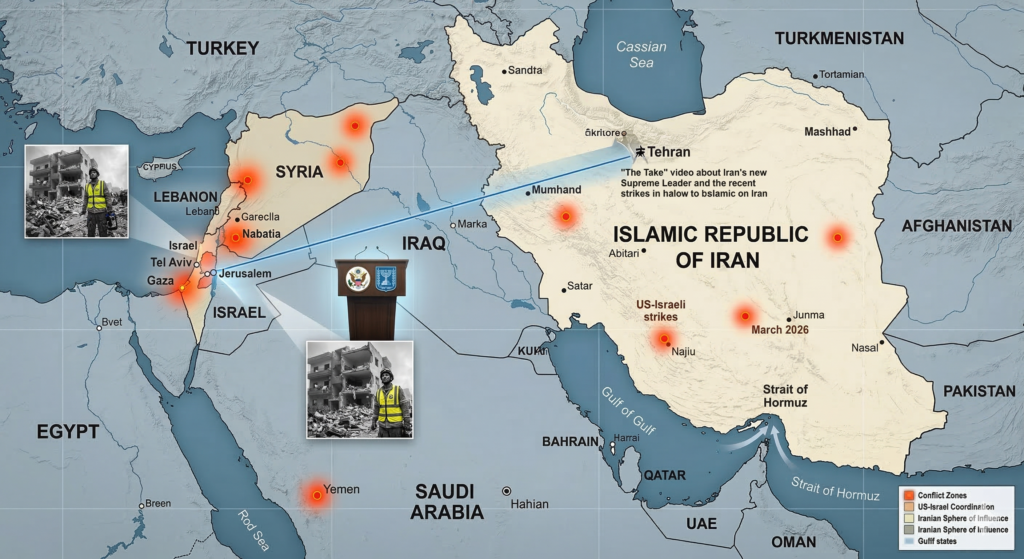
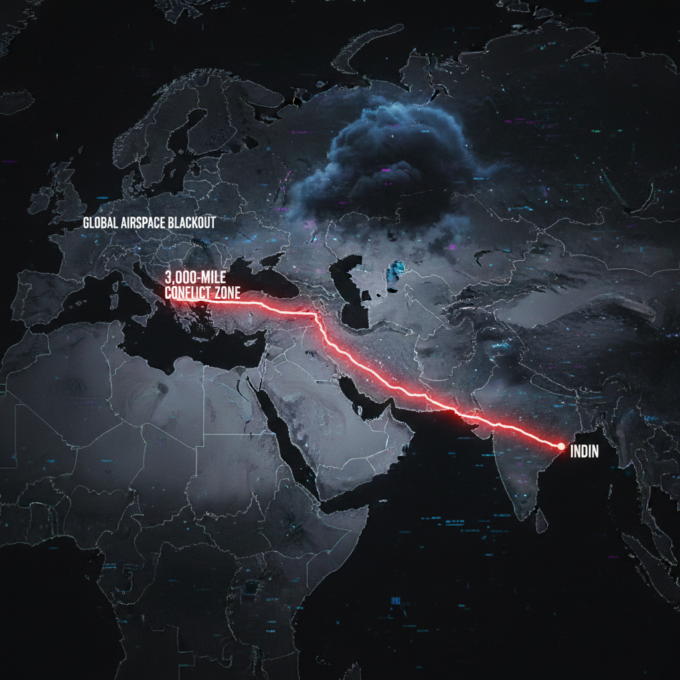
The road forward for Mojtaba Khamenei is fraught with peril. His first and most obvious challenge is simply staying alive while the region remains a high-intensity battleground. Beyond personal survival, he must prevent the collapse of the state itself as military operations continue across multiple fronts, including Lebanon and the Gulf.
The “post-war” reality, whenever it arrives, will require a complete rebuilding of the regional security order. Iran’s relations with its neighbors in Doha, Dubai, and Manama have been strained by the exchange of missiles and drones, necessitating a new diplomatic contract if regional stability is ever to be restored.
Rebuilding the Soul of a Nation
As Mojtaba Khamenei assumes the mantle of leadership, he faces the heavy task of not just rebuilding physical infrastructure, but what experts call “rebuilding the soul of Iran.” The success of his leadership will be measured by whether he can keep the nation in one piece while navigating the most dangerous military confrontation in the country’s modern history. For the world, the question remains: will his rise signal a path toward a new diplomatic opening, or is the Middle East on the verge of an even deeper, more destructive escalation?










Leave a comment