


How often do you check the date on a carton of eggs or a loaf of bread and toss it the second that date passes? In the United States, roughly 20% of household food waste happens because consumers aren’t sure how to interpret these labels. The reality is that for the vast majority of groceries, these dates have nothing to do with food safety—they are about optimum freshness.
A Brief History of Date Labels
Before the 20th century, the path from farm to table was direct, and people used their senses to judge freshness. As supermarkets and processed foods took over, consumers lost that direct connection. In the 1970s, “open dating” was introduced to give shoppers more information.
However, these dates are rarely based on science. Instead, manufacturers often set them early to ensure you eat their product at its peak flavor—encouraging you to buy more.
What is Actually Safe to Eat?
Most shelf-stable and refrigerated items are safe long after their labeled dates.
- Shelf-Stable Goods: Cookies, pasta, and canned foods may taste stale over time, but they aren’t health risks. Canned goods can last for years as long as they aren’t bulging or rusted.
- Frozen Foods: Bacteria that cause food poisoning are kept in check by freezer temperatures, preserving properly stored frozen dinners indefinitely.
- Eggs: Refrigerated eggs are usually good for up to five weeks.
When to Be Cautious
While most labels are about quality, a few are about safety:
- Meat: The USDA recommends eating or freezing meat within days of purchase.
- High-Risk Items: Deli meats, unpasteurized cheeses, and ready-to-eat salads can carry bacteria that you can’t always smell or taste.
- Infant Formula: These dates are strictly regulated to indicate safety and nutritional content.

The Massive Impact of Confusion
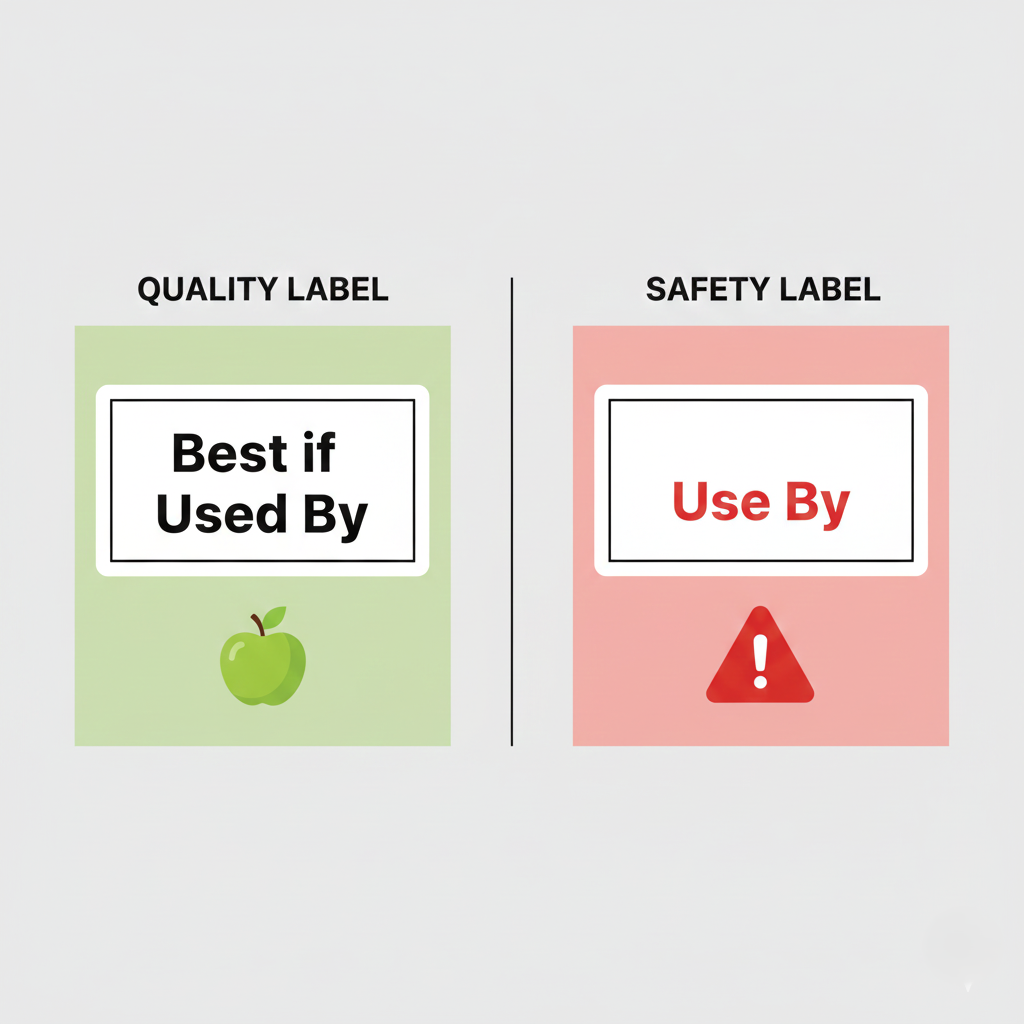
Confusion over these labels leads to nearly 400,000 tons of avoidable food waste every year in the US alone. Experts are pushing for standardized language, such as:
- “Best if used by” for freshness.
- “Used by” for safety.
Trust Your Senses
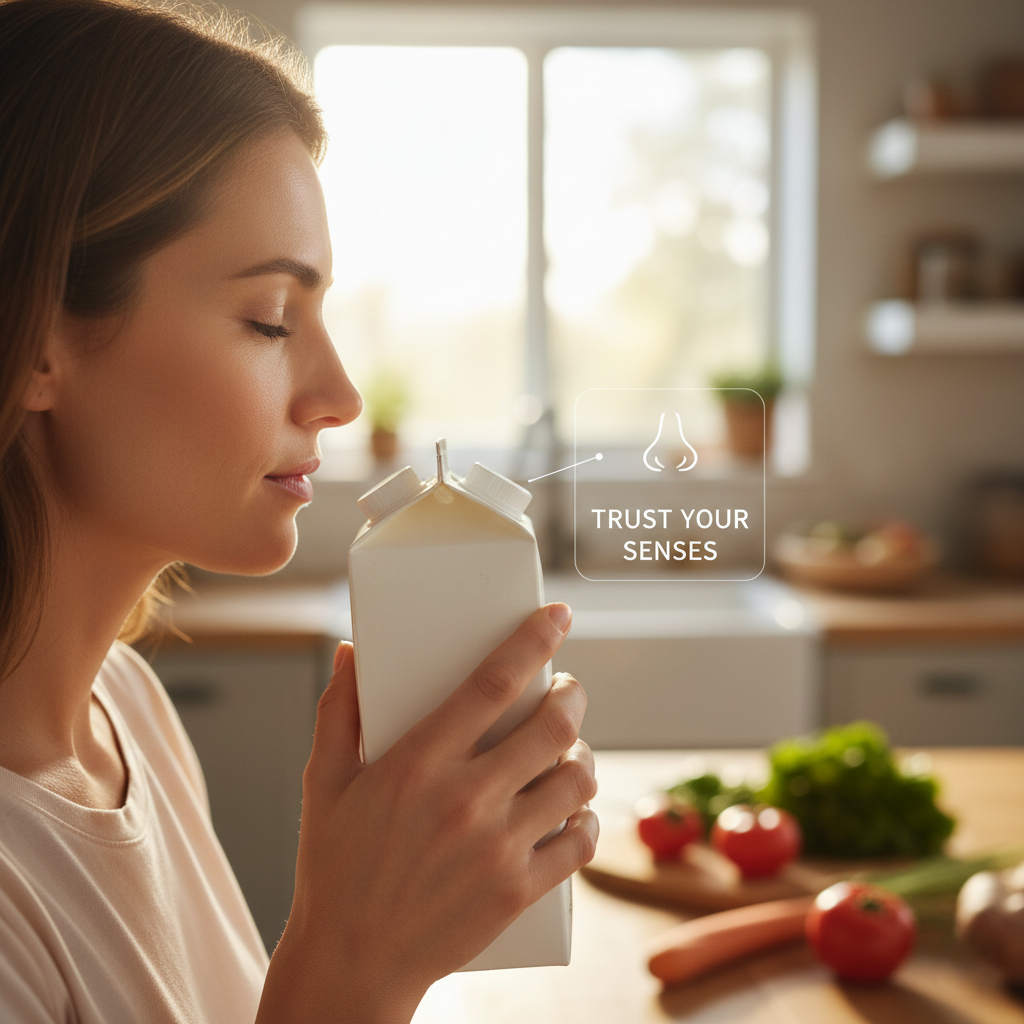
The best way to prevent waste is to trust the tools you were born with. For most produce and dairy, your eyes, nose, and tongue are your best guides. Look for mold, sniff for off-odors, and check for slimy surfaces.













Leave a comment