


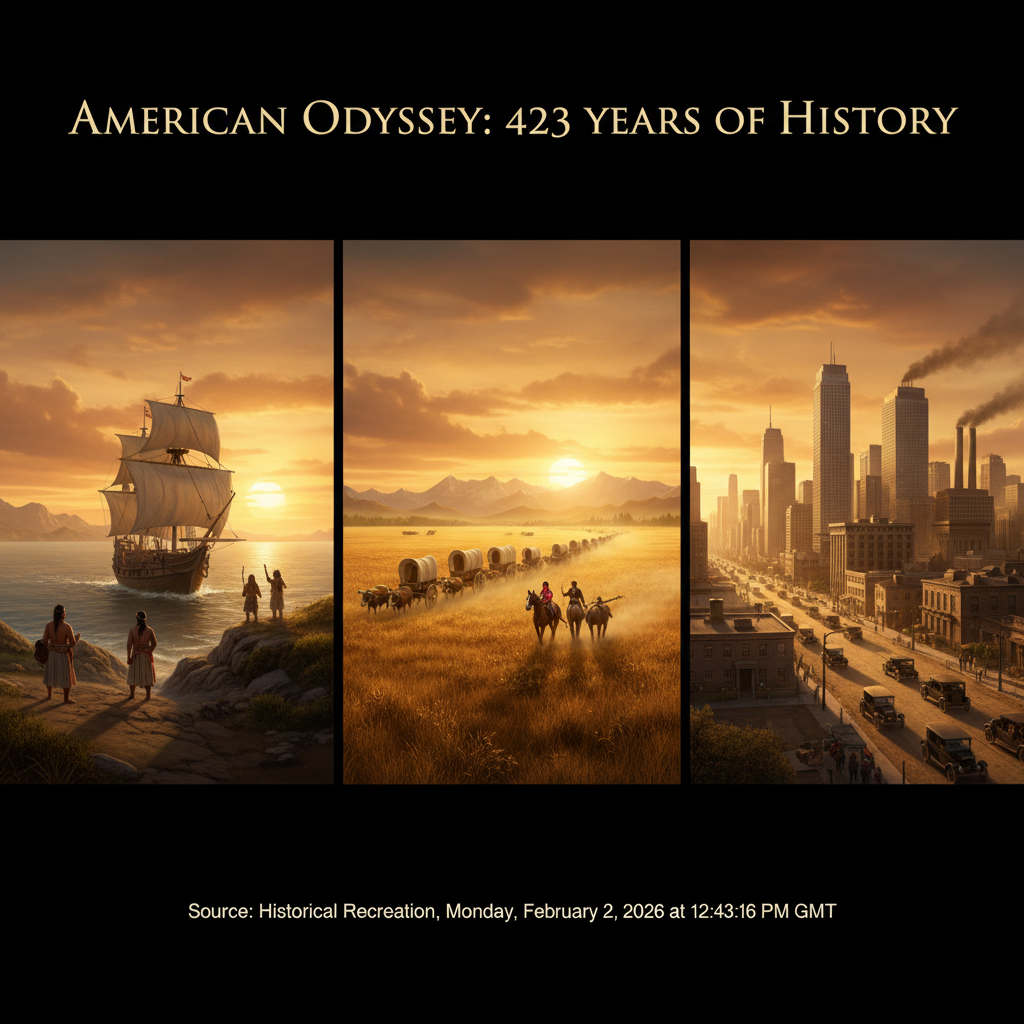
The Epic Journey: 423 Years of American History
America’s rise to become the richest and most powerful country in history was far from a certainty. For over a century after its “discovery,” much of North America was largely ignored by European powers who were more interested in the gold and silver of the south. This is the story of how a vast, “useless” wilderness transformed into a global superpower.
The Age of Discovery and Early Failures
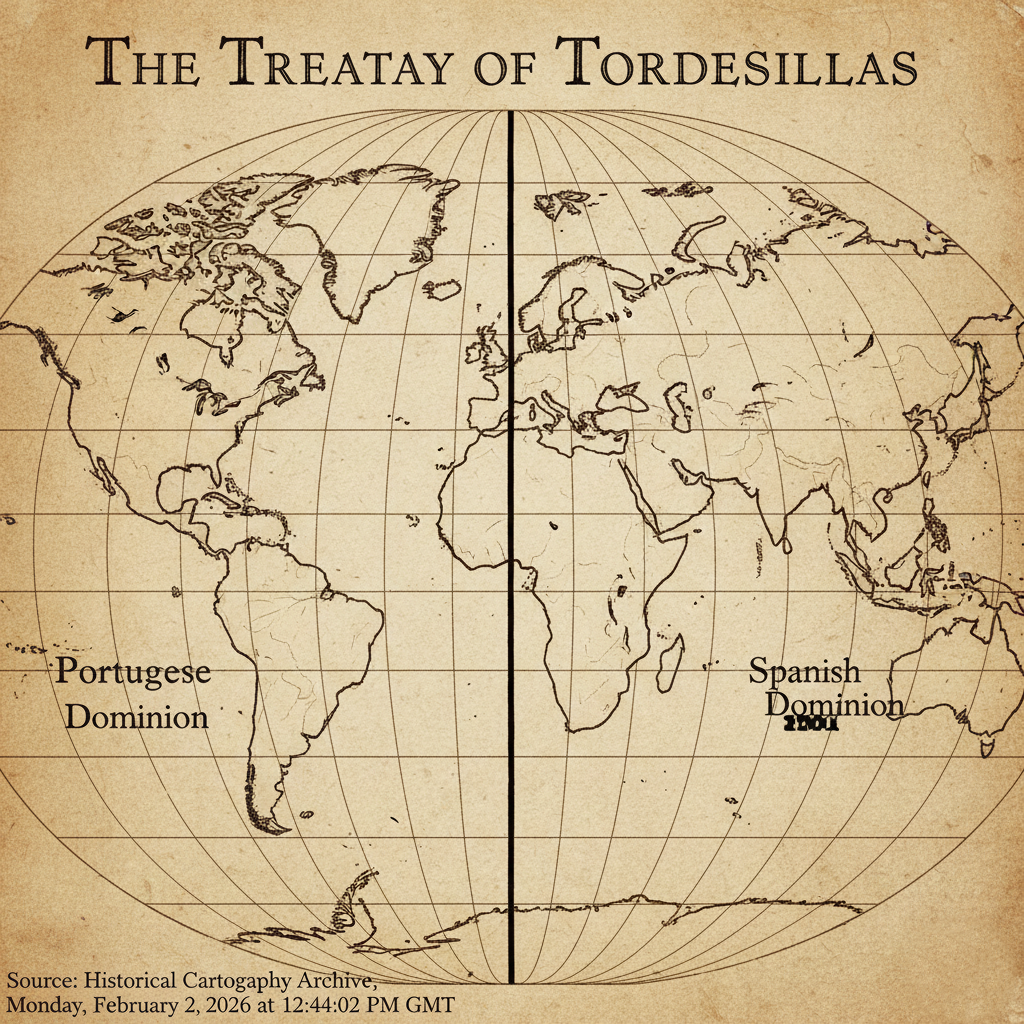
When Christopher Columbus set sail in 1492, he wasn’t looking for a new continent; he was looking for a trade route to Asia. When he landed in the Caribbean, he mistakenly believed he was near India, famously calling the natives “Indians.” While Spain and Portugal divided the world between them, North America remained an afterthought for nearly 100 years.
England’s first attempt at colonization at Roanoke ended in a haunting mystery when the entire colony disappeared. It wasn’t until Jamestown was established in 1607 that the English finally gained a permanent foothold. Soon after, the Pilgrims arrived in Plymouth, seeking a place to practice their strict faith, and a steady stream of settlers began to cover the East Coast.
The Birth of a Nation: Revolution and Constitution
By the mid-1700s, the British had ousted the French in the French and Indian War, but victory came at a high price. To pay off war debts, Britain imposed heavy taxes on the colonies. The resulting cry of “no taxation without representation” ignited a revolution.
On July 4, 1776, the Americans declared their independence. After five years of war and several more years under a failing initial government, the Founding Fathers drafted the U.S. Constitution. In 1789, George Washington was inaugurated as the first president, leading a small nation that was about to undergo a massive transformation.

Manifest Destiny: Doubling the Map
In 1803, a stroke of luck changed America forever. Napoleon, needing funds for his wars in Europe, sold the massive Louisiana Territory to the U.S. for just $15 million. This single purchase doubled the size of the country overnight.
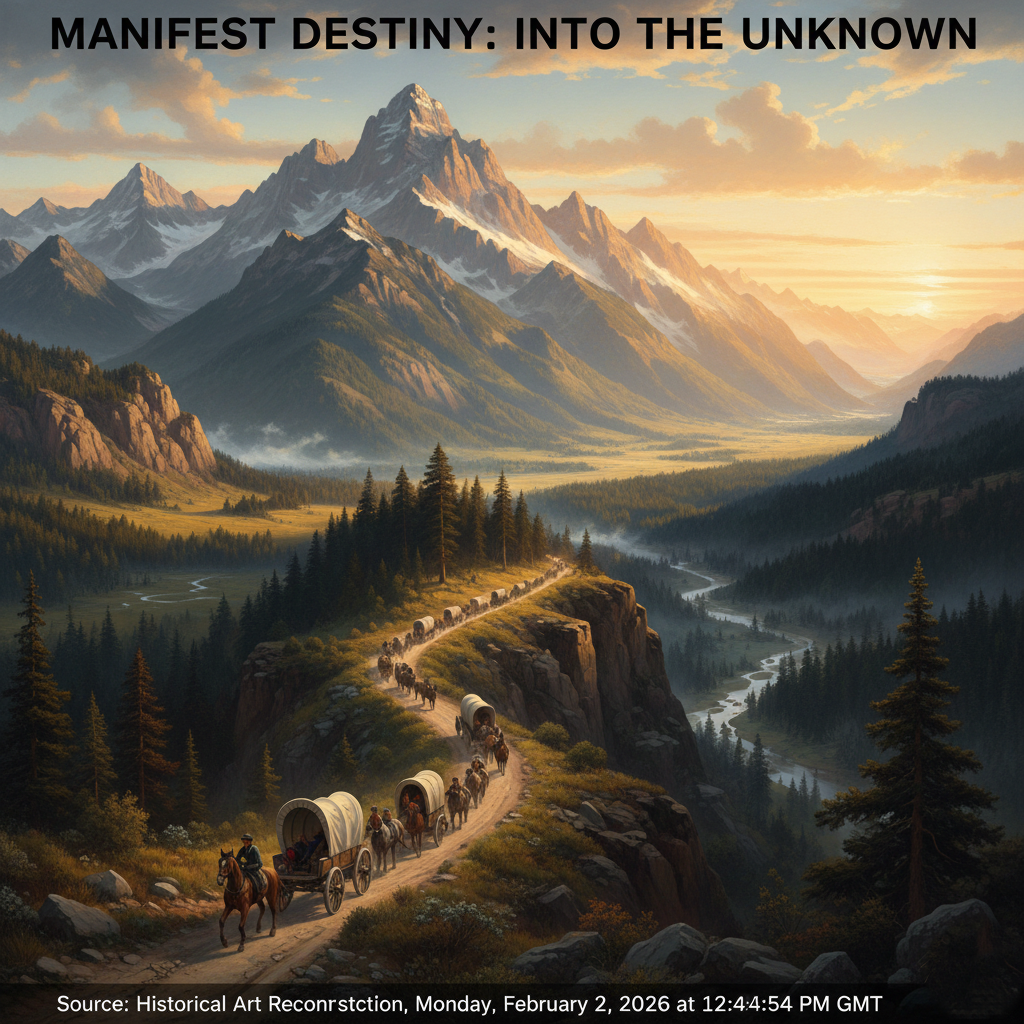
What followed was a period of rapid expansion driven by the concept of “Manifest Destiny”—the belief that Americans were destined to settle the continent from sea to sea. Through the purchase of Florida from Spain, the annexation of Texas, and a decisive war with Mexico, the U.S. borders surged westward to the Pacific Ocean.
A House Divided and Reunited
As the nation grew, internal tensions reached a breaking point over the “peculiar institution” of slavery. Northern states viewed it as a moral evil, while the Southern economy relied on it. The election of Abraham Lincoln in 1860 triggered the secession of Southern states and the start of the bloody Civil War.
The Union victory in 1865 abolished slavery and ensured that the states would remain united. Following the war, the U.S. continued to expand its reach, purchasing Alaska from Russia—initially mocked as “Seward’s Folly” before gold and oil were discovered there.
Emerging on the World Stage
By the end of the 19th century, America began looking beyond its continental borders. The Spanish-American War in 1898 was a turning point, as the U.S. quickly seized Cuba, Puerto Rico, and the Philippines. During this time, Hawaii was also annexed, providing a vital naval base in the Pacific.
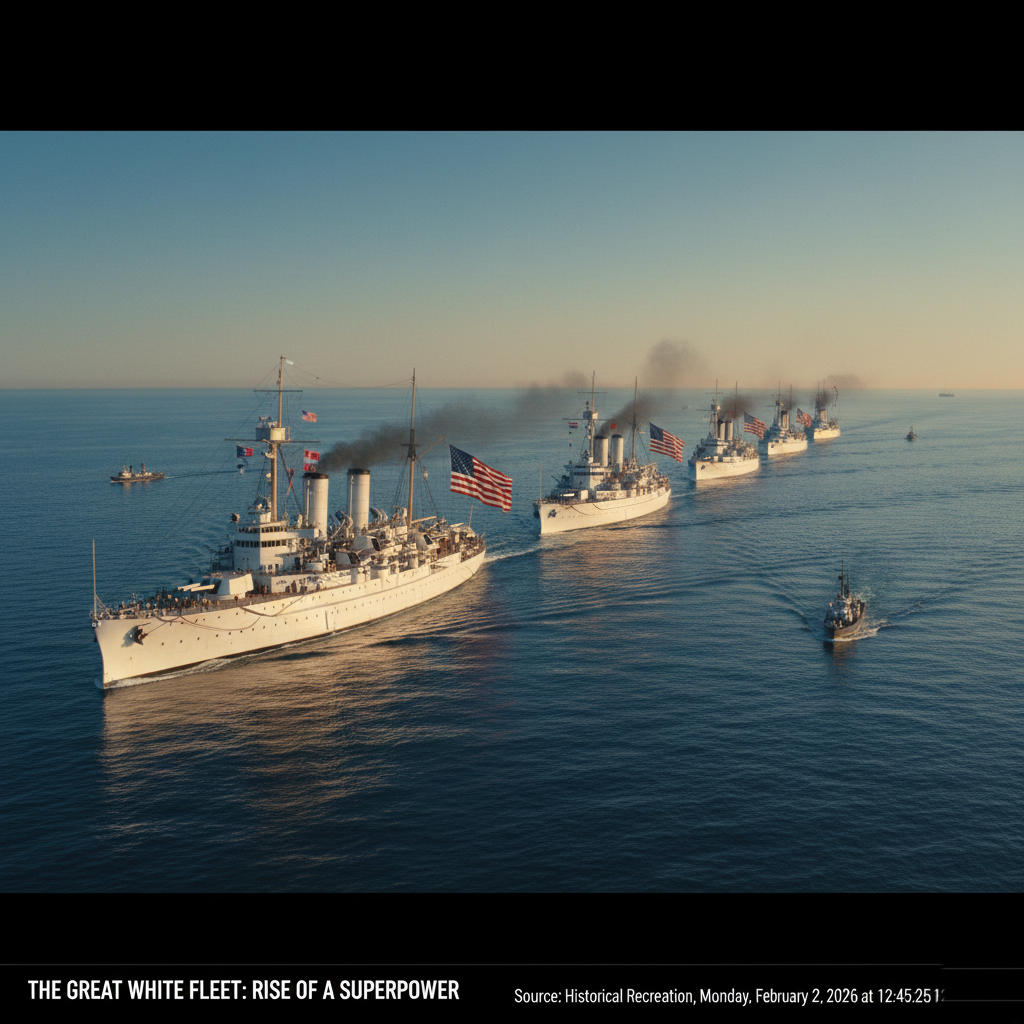
The energetic presidency of Theodore Roosevelt solidified America’s status as a world power. He built a massive modern navy and oversaw the construction of the Panama Canal, a feat of engineering that allowed the U.S. to move its military and trade ships between the Atlantic and Pacific with unprecedented speed. As World War I loomed, the United States had officially arrived as a dominant force in global politics.
A Legacy of Growth
From a few fragile settlements on the edge of a vast continent to a nation spanning from the Atlantic to the Pacific and beyond, the history of the United States is a testament to the power of expansion, conflict, and reinvention. Understanding this 423-year journey is essential to understanding the world we live in today.












Leave a comment