


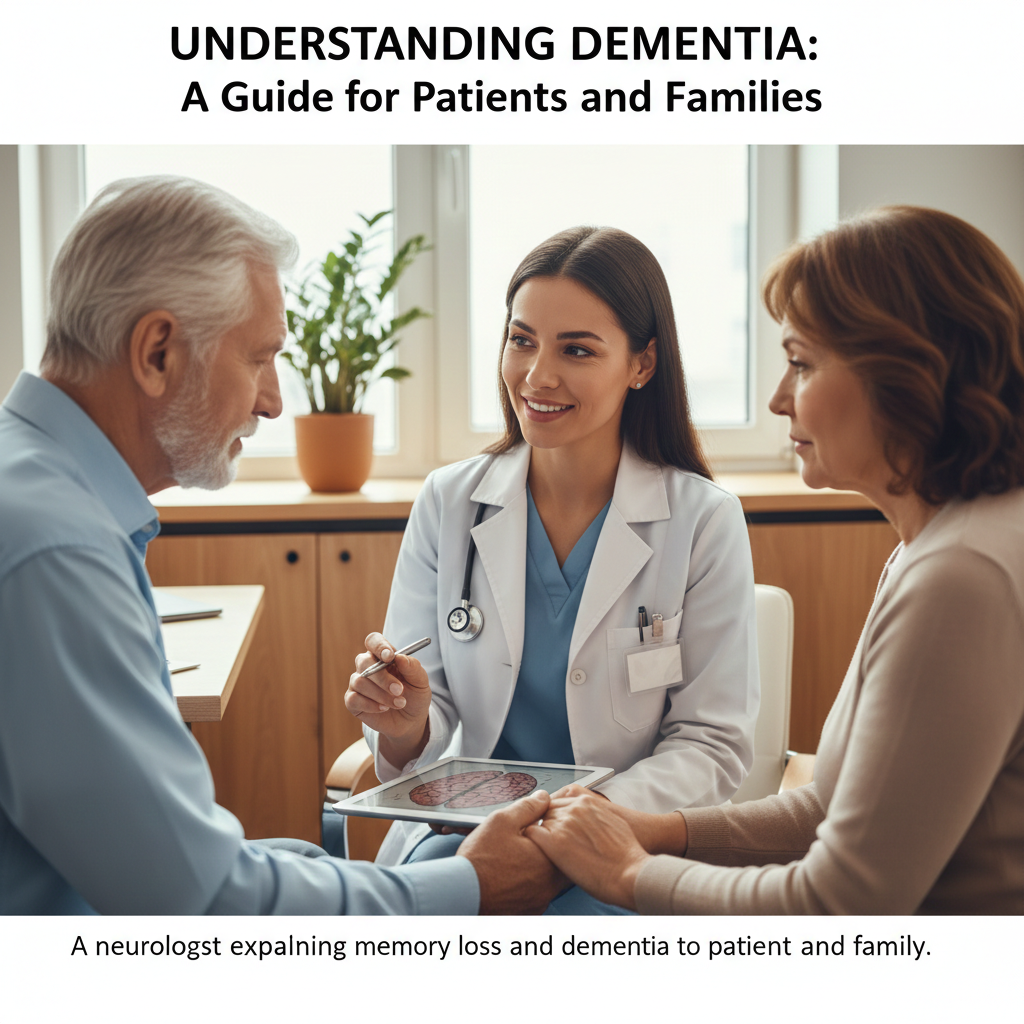
The Dementia Umbrella
Dementia is a “syndrome”—a collection of symptoms that occur together. While Alzheimer’s disease is the most common form (accounting for 60% to 70% of cases), other types include:
- Vascular Dementia: Often caused by strokes that damage parts of the brain responsible for thinking.
- Lewy Body Disease: Characterized by tremors and sometimes hallucinations.
- Frontotemporal Dementia: Primarily affects behavior and personality, often leading to agitation or social disinhibition.
Forgetfulness vs. Dementia: Spotting the Difference
One of the most frequent questions patients ask is, “Am I getting demented, or am I just forgetful?” The key difference lies in insight and the extent of the loss.
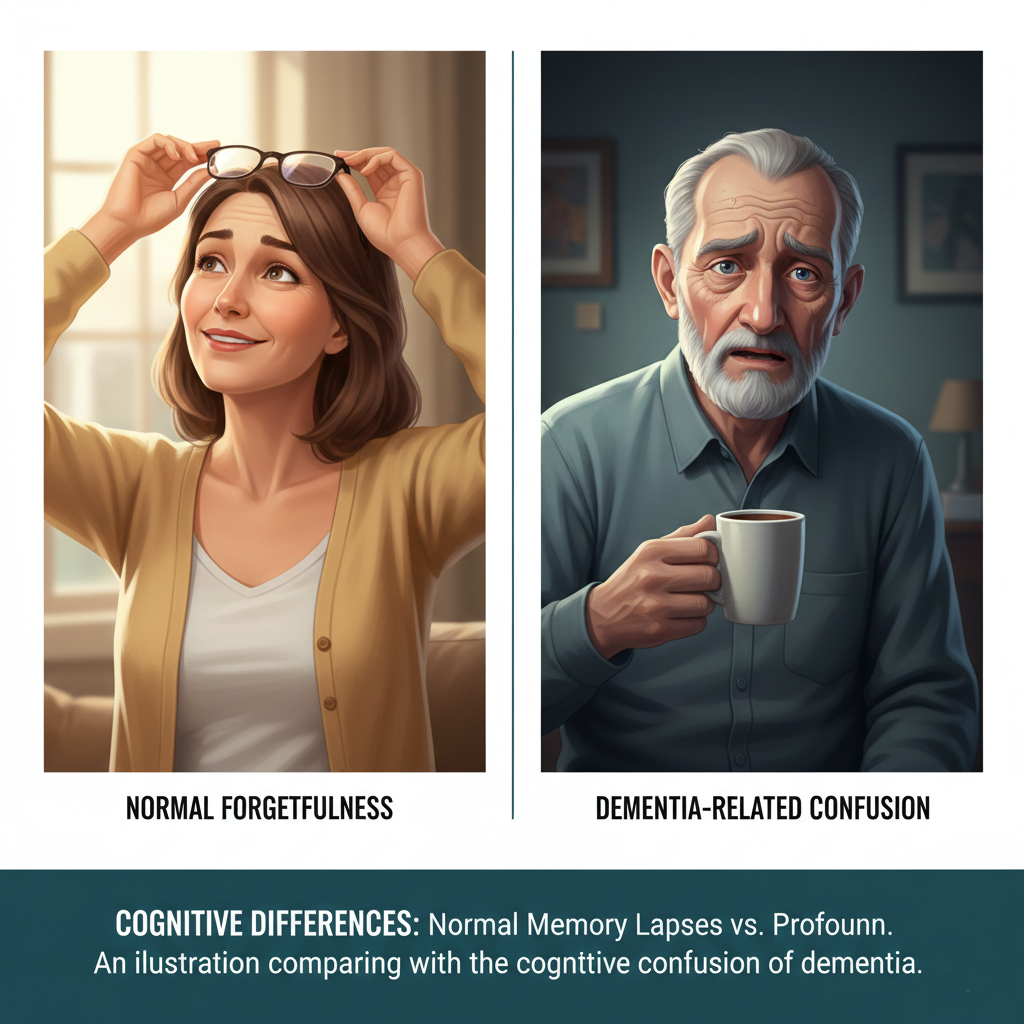
- Normal Forgetfulness: You might forget the time of an appointment or the name of someone you haven’t seen in years, but you are aware that you forgot it. You generally know where to look for your schedule or notes to retrieve the information.
- Dementia-Related Loss: A person with dementia may not only forget the time of an appointment but forget that they even have an appointment. They often lack insight into their own memory loss and may deny that anything is wrong.
Red Flags for Dementia
If you are concerned about a family member, look for these specific indicators:
- Repeating Questions: Asking the same thing over and over within a very short timeframe (minutes).
- Disorientation with Time: Forgetting major holidays (like Christmas) or their own birthday.
- Losing Items in Odd Places: Placing shoes in the refrigerator or finding essential items in nonsensical locations.
- Behavioral Changes: A previously outgoing person becoming withdrawn, or a quiet person becoming noisy, inappropriate, or losing impulse control.
- Perception Issues: Seeing things that aren’t there (hallucinations) or having firm beliefs that aren’t true (delusions).
Lifestyle Strategies for a Healthy Brain
While we cannot change our genetics, we can significantly influence our brain health through our environment and habits.
- Sleep Hygiene: Quality sleep is vital. Conditions like sleep apnea, which reduces oxygen to the brain, can mimic or worsen memory problems.
- Exercise: Physical movement—whether it’s walking, swimming, or dancing—is one of the best “medicines” for the brain.
- Nutrition: A diet rich in vegetables and low in processed foods helps prevent vascular issues. Monitoring Vitamin D and B levels is also essential, as deficiencies can cause reversible memory issues.
- Mental and Social Stimulation: Stay active in your community. Helping others and engaging in hobbies like tinkering with computers or reading keeps “brain muscles” strong.

Supporting the Caregiver
Caring for someone with dementia is a journey of patience and empathy. It is vital to focus on the person’s remaining strengths—such as their love for music or art—rather than their losses. However, the role of the caregiver is demanding. Family members must prioritize “self-care” to avoid burnout, ensuring that the primary caregiver has the support and time off they need to stay healthy themselves.











Leave a comment