


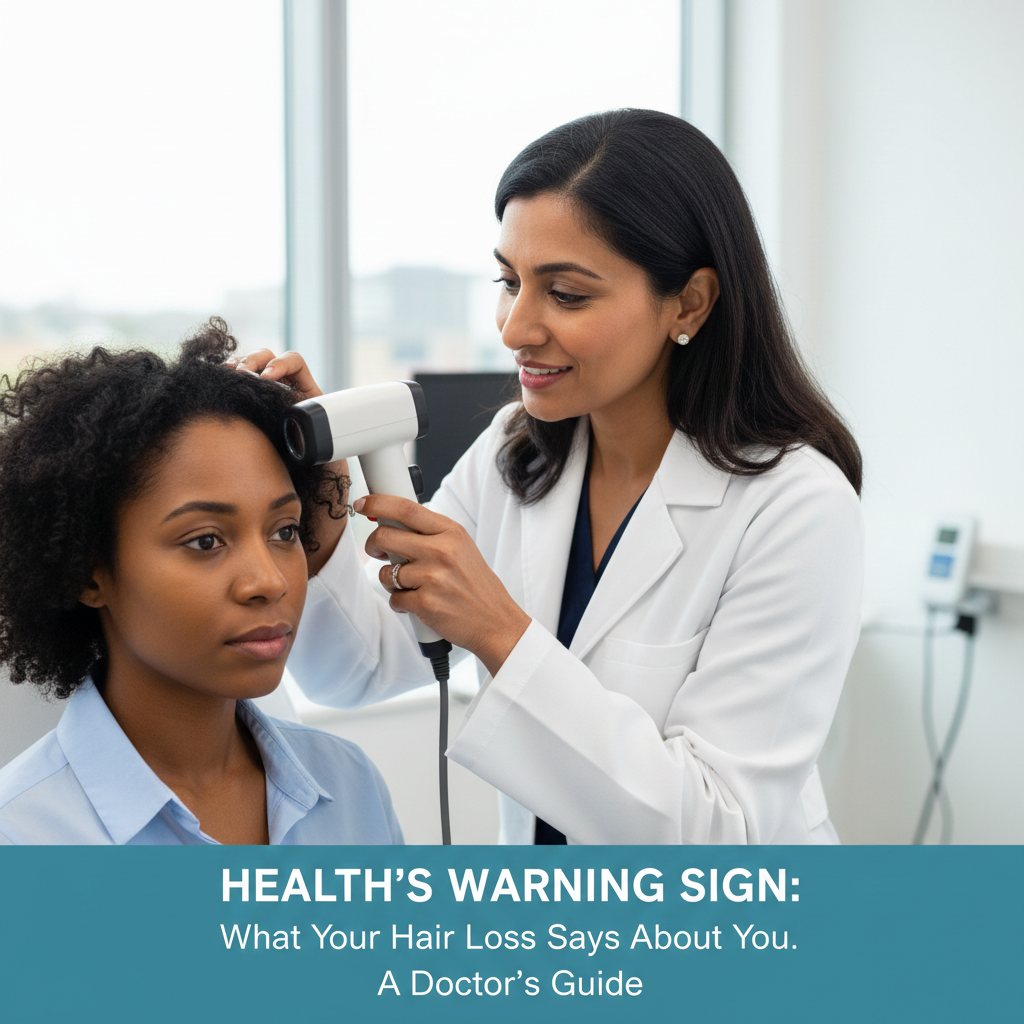
1. Alopecia Areata
This common condition occurs when your immune system mistakenly attacks your hair follicles. It typically appears as smooth, round patches of hair loss. While it can be distressing, it is often treatable with steroid injections that “calm down” the immune system, allowing hair to regrow.
2. Discoid Lupus
Unlike some other forms of hair loss, discoid lupus causes significant inflammation that leads to scarring. Because the hair follicle is destroyed by the scar tissue, this type of hair loss is often permanent. It is an autoimmune condition that primarily affects the skin.
3. Telogen Effluvium: The Systemic Shock
If you’ve recently experienced a major “shock” to your system—such as surgery, a severe infection (like COVID-19), childbirth, or a crash diet—you may notice significant thinning a few months later. This happens because the shock pushes a large number of hairs into the “resting” phase simultaneously. The good news? It’s usually temporary.

4. Allergic Reactions
Your scalp can react strongly to external chemicals. A common culprit is PPD (paraphenylenediamine), found in many permanent hair dyes. A severe allergic reaction can cause the hair to enter the resting phase and fall out, though this is typically reversible once the inflammation is treated.
5. Syphilis
Often called “The Great Pretender,” syphilis can mimic many diseases. One of its unique signs is a “moth-eaten” pattern of hair loss. Because it is a bacterial infection, it is curable with antibiotics, and the hair usually returns once the infection is cleared.
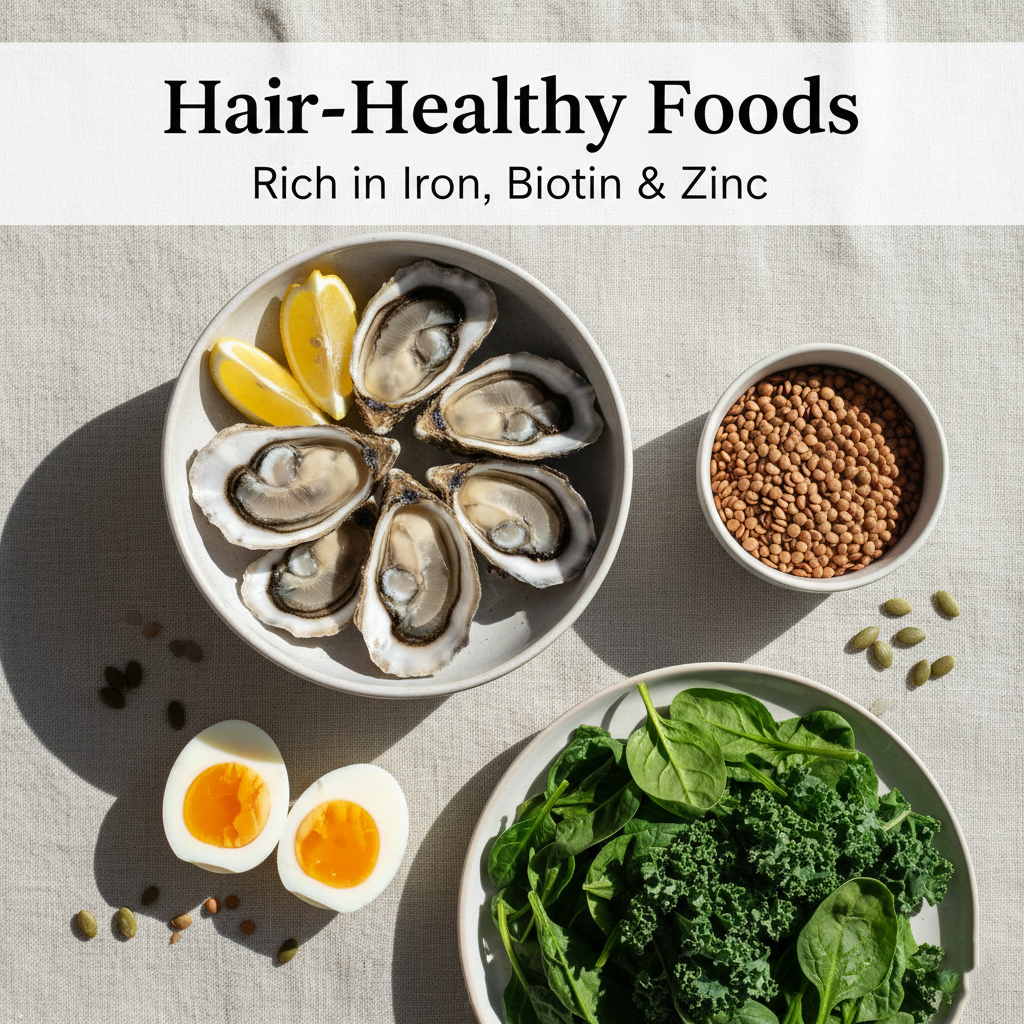
6. Nutritional Deficiencies: Iron, Biotin, and Zinc
Your hair requires specific building blocks to stay healthy:
- Iron: Severe anemia, often caused by heavy periods, can lead to exhaustion and thinning hair.
- Biotin: While rare, a deficiency can be caused by eating too many raw egg whites (which contain a protein that blocks biotin absorption).
- Zinc: Low zinc levels can cause rashes and hair loss. Interestingly, you need healthy thyroid hormones to absorb zinc properly.
7. Hypothyroidism
An underactive thyroid slows down many bodily processes. Classic symptoms include hair loss, weight gain, fatigue, and dry skin. Treating the underlying hormonal imbalance usually resolves the hair shedding.
8. Trichotillomania and Traction Alopecia
Physical tension can be just as damaging as internal illness:
- Trichotillomania: A psychological urge to pull out one’s own hair, often linked to anxiety.
- Traction Alopecia: Damage caused by hairstyles that pull too tight for too long, such as tight braids or ponytails.
9. Medications
Chemotherapy is well-known for causing hair loss, but other common medications—like those for seizures (valproic acid), acne (Accutane), or mood stabilization (lithium)—can also lead to thinning as a side effect.
10. Pattern Hair Loss (Androgenic Alopecia)
- Female Pattern: Affects roughly 40% of women by age 50, usually manifesting as thinning at the top of the head. It can sometimes be linked to PCOS.
- Male Pattern: Linked to both genetics and hormones. Interestingly, early male pattern baldness (before age 40) has been associated with an increased risk of heart disease.
If you are experiencing hair loss, don’t panic, but don’t ignore it either. Keep track of other symptoms, take photos to monitor changes, and see a healthcare professional. Your hair is often the first place your body shows signs of internal stress or deficiency—listening to it could be the first step toward better overall health.










Leave a comment