


In an era where every smartphone provides atomic-clock precision, the mechanical watch should, logically, be obsolete. Yet, the Swiss watch industry is thriving, with brands like Richard Mille and Patek Philippe commanding prices that rival the cost of a Ferrari or a luxury estate.
As explored in a recent 60 Minutes investigation, these timepieces are not mere tools; they are mechanical computers, fine art, and appreciating assets. But what exactly justifies a $2 million price tag?
1. The Human Cost: 2,000 Hours of Perfection
The primary driver of the astronomical price is labor. Unlike mass-produced items, high-end Swiss watches are often the product of a single master’s obsession.
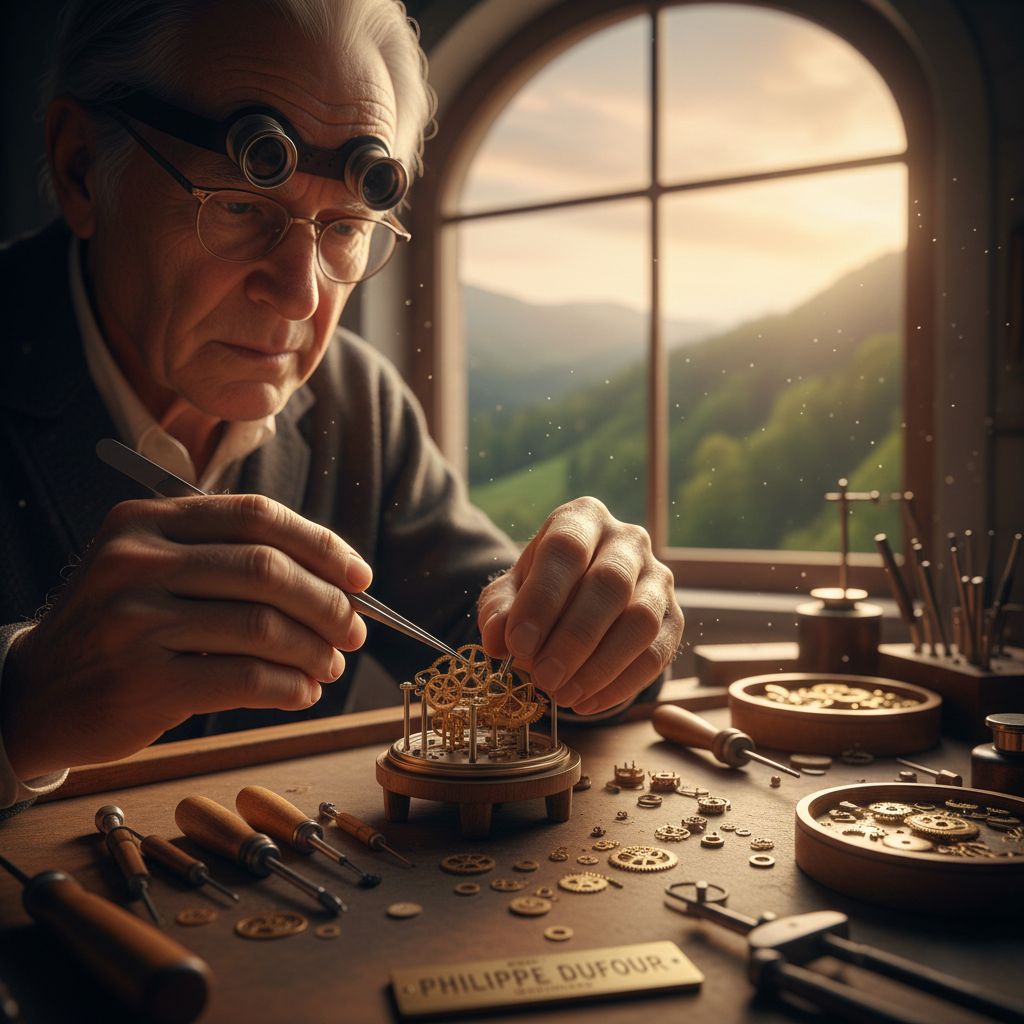
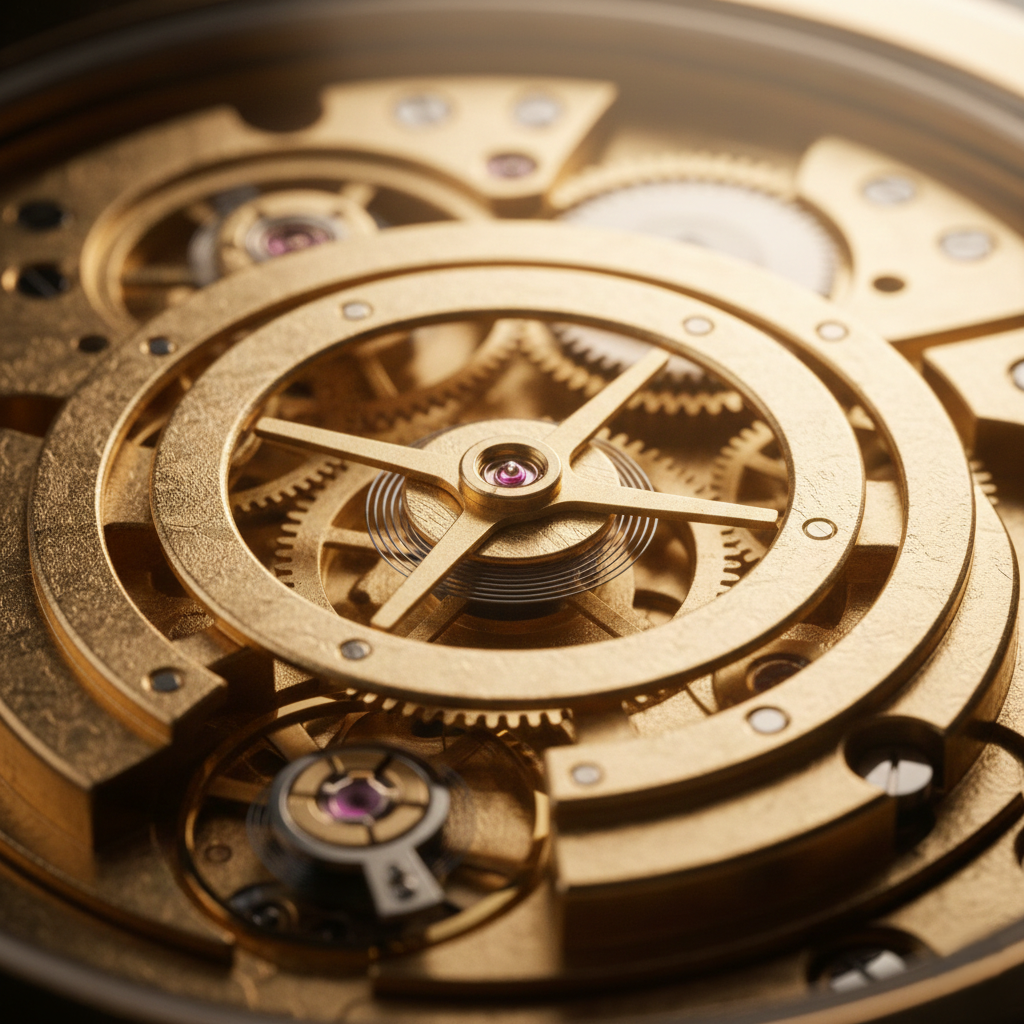
Legendary independent watchmaker Philippe Dufour reveals that a single watch can take upwards of 2,000 hours to complete—roughly a full year of work for one person. Every tiny component, many no larger than a grain of sand, is hand-finished. These “broad stripes” and polished angles are signature marks of quality that cannot be replicated by a machine.
2. Mechanical Complexity: “Complications”
In the world of horology, a “complication” is any function beyond simple timekeeping. These are mechanical marvels that run entirely on springs and gears, with zero electronics.
- Minute Repeaters: A mechanism that chimes the time using tiny hammers and gongs, often taking hundreds of hours to tune.
- Perpetual Calendars: These “mechanical computers” track the day, date, and month, and are programmed to account for leap years automatically until the year 2100.
3. Artificial Scarcity and the “Journey”
You cannot simply walk into a boutique and buy a high-end Patek Philippe with a credit card. The industry relies on a business model of limited supply and extreme demand.
- The Weight: For certain models, the waitlist can be ten years long.
- The Vetting: Niche brands like MB&F, which only produce about 400 watches a year, often interview clients to ensure the watch is going to a “worthy” collector rather than a flipper.
This journey creates a “halo effect” around the brand, making the product a status symbol that money alone cannot always buy.
4. An Appreciating Asset: The New Fine Art
Swiss watches have transitioned from functional items to investment-grade assets. While they represent fewer than 2% of total watches sold globally, they account for over 50% of the market’s total value.
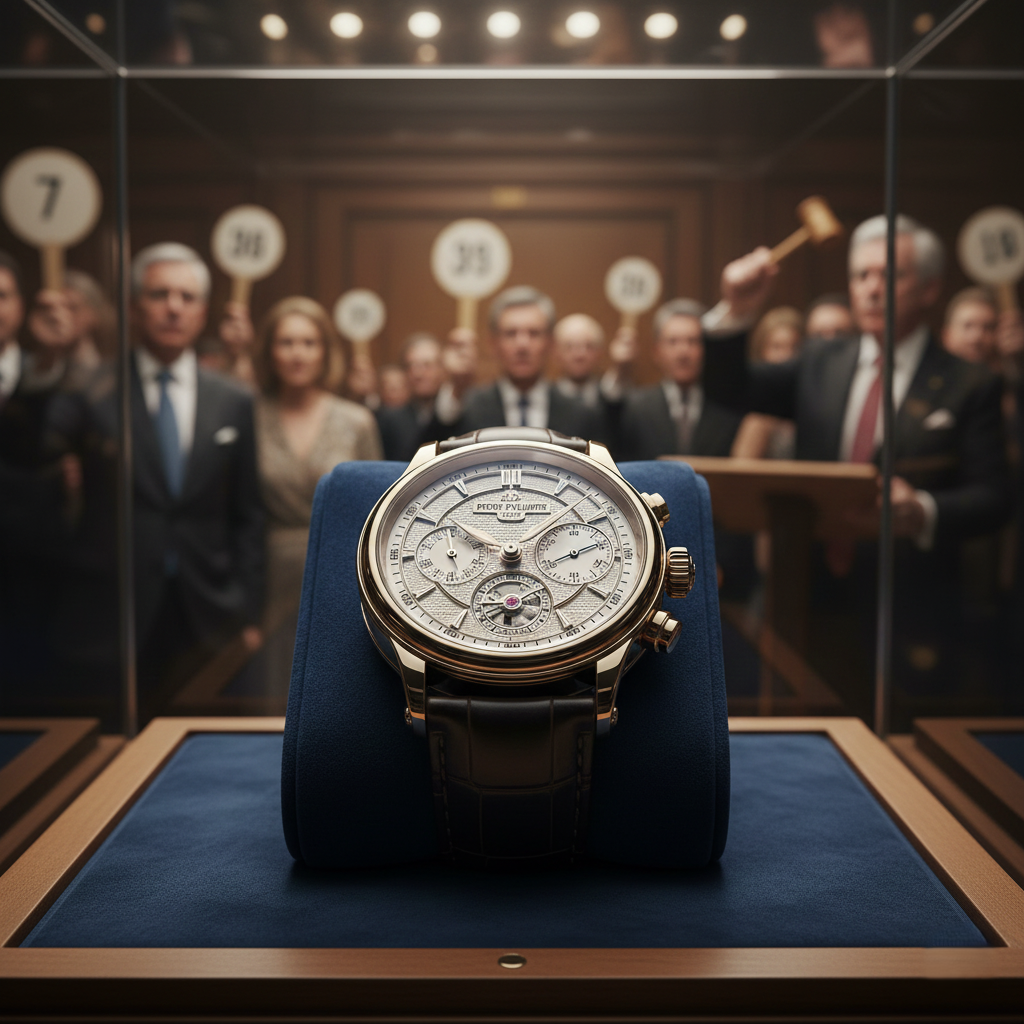
- Auction Records: A watch that originally cost hundreds of thousands of dollars can fetch $7 million or more at auction once it becomes a piece of history.
Conclusion: The Pulse of the Valley
Ultimately, a Swiss watch is a “pointless” object that has become essential through its emotional and artistic value. Whether it’s the chime of a minute repeater or the hand-polished finish of a Dufour Simplicity, these watches represent the pinnacle of human craftsmanship. They don’t just tell time; they capture it.















Leave a comment